

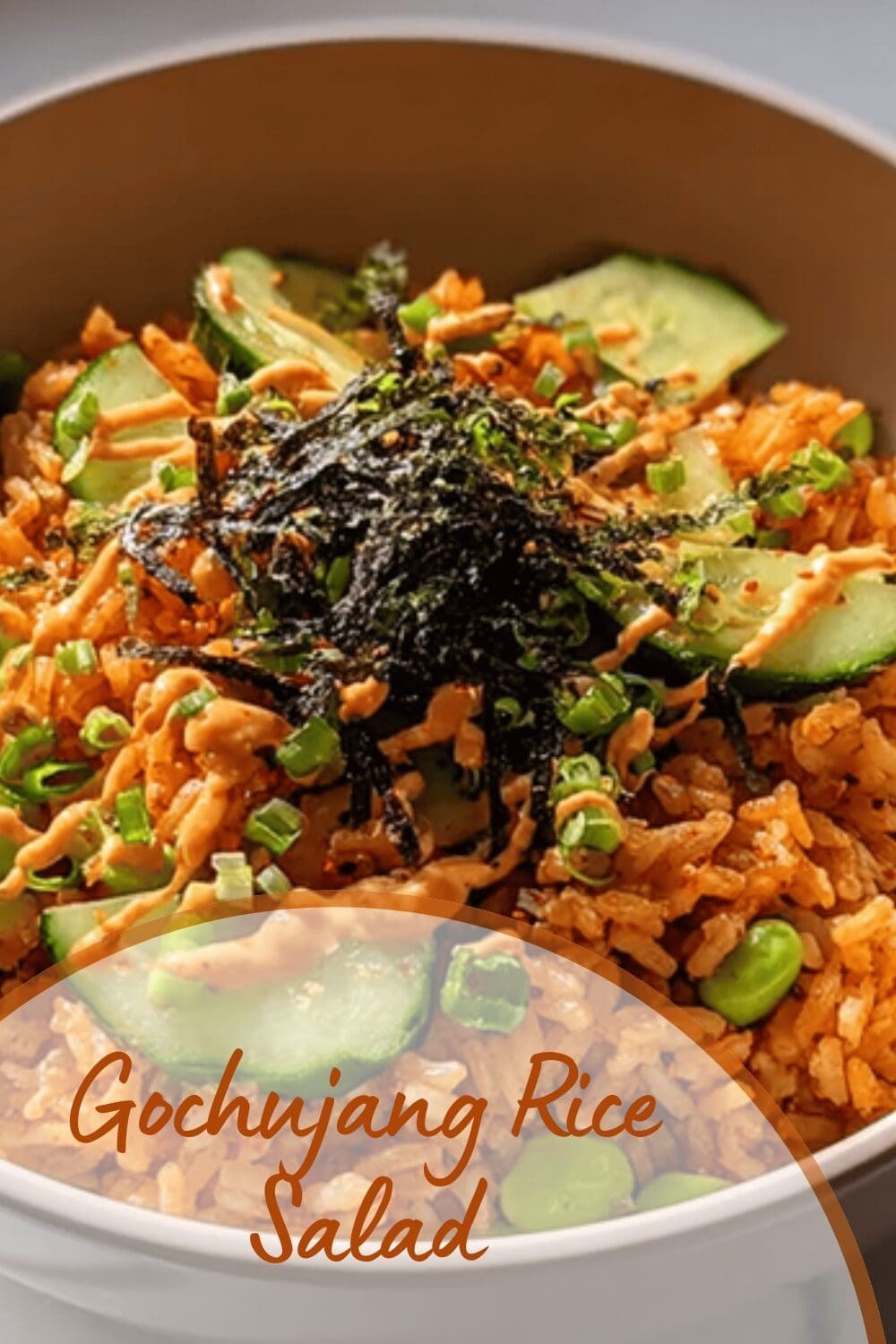
Why You’ll Love This Gochujang Rice Salad
Gochujang rice salad brings excitement to your table with its spicy, fresh flavors that keep everyone coming back for more. This dish is simple to whip up, making it ideal for those busy days when you need something quick yet satisfying. Discover how it packs health perks and fits various lifestyles, turning ordinary ingredients into something truly special.
As you try this gochujang rice salad, you’ll appreciate its ease perfect for home cooks like busy parents and students who want meals ready in minutes. It offers great health benefits too, like vitamins from veggies and gut-friendly probiotics from gochujang that support your daily wellness. This recipe shines with its bold tastes and flexible options, inspiring you to make it your own for memorable family dinners.
- Ease of preparation: This gochujang rice salad is designed for simplicity and speed. With minimal ingredients and straightforward steps, it can be prepared quickly, perfect for busy days or last-minute meals.
- Health benefits: Packed with nutritious vegetables and lean proteins, this dish offers a balanced mix of vitamins, minerals, and antioxidants. The fermented gochujang adds probiotics that promote gut health, making this rice salad a wholesome option. For more on the benefits of gochujang, check out reliable sources that highlight its nutritional value.
- Versatility: This recipe adapts easily to various dietary needs, including vegan, gluten-free, and low-calorie diets. Substitute proteins and veggies as desired without sacrificing flavor or texture.
- Distinctive flavor: Featuring the bold, spicy-sweet complexity of gochujang sauce, combined with fresh vegetables and fluffy rice, this salad stands out as a flavorful and satisfying meal option that excites the palate.
Jump To
- 1. Why You’ll Love This Gochujang Rice Salad
- 2. Essential Ingredients for Gochujang Rice Salad
- 3. How to Prepare the Perfect Gochujang Rice Salad: Step-by-Step Guide
- 4. Dietary Substitutions to Customize Your Gochujang Rice Salad
- 5. Mastering Gochujang Rice Salad: Advanced Tips and Variations
- 6. How to Store Gochujang Rice Salad: Best Practices
- 7. FAQs: Frequently Asked Questions About Gochujang Rice Salad
- 8. Gochujang Rice Salad
Essential Ingredients for Gochujang Rice Salad
Gochujang rice salad relies on fresh, vibrant ingredients that bring together crunch, spice, and nutrition in every bite. Knowing exactly what goes into this recipe helps you shop smart and get started with confidence. Below, you’ll find a clear list of all the ingredients needed, including precise measurements for each part of the dish.
To make your gochujang rice salad, gather these essentials grouped by section for easy preparation. This setup makes it simple to follow along and adjust based on what you have on hand.
Crispy Rice Ingredients
- 1 cup cooked sushi rice (about ⅓ cup dry)
- 1 tablespoon chili oil
Gochujang Mushrooms Ingredients
- 9 oz king oyster mushrooms
- 6 oz shimeji mushrooms
- ½ tablespoon gochujang paste
- 2 teaspoons low-sodium tamari
- ½ tablespoon maple syrup
- 1 teaspoon rice vinegar
- 1 teaspoon sesame oil
Peanut Sauce Ingredients
- 1 ½ tablespoons natural peanut butter (or tahini for nut-free version)
- 1 tablespoon finely grated fresh ginger
- 1 clove garlic
- 2 tablespoons lime juice
- 2 teaspoons low-sodium tamari
- 2 teaspoons maple syrup
- ¼ cup dairy-free milk (soy milk suggested)
- 1 teaspoon gochujang paste
Salad Ingredients
- 1 ½ cups shelled frozen edamame (thawed)
- 1 medium cucumber (diced)
- 2 spring onions (finely chopped)
- 1 avocado (diced)
- ¼ cup fresh mint (finely chopped)
These ingredients create a balanced gochujang rice salad that’s full of texture and taste. For similar ideas, try this adobo fried rice recipe on our site, which pairs well with fresh veggies and bold flavors.
How to Prepare the Perfect Gochujang Rice Salad: Step-by-Step Guide
Making gochujang rice salad is straightforward and fun, even if you’re new to the kitchen. Follow these steps to build a tasty dish that highlights the spicy kick of gochujang. You’ll end up with a meal that’s both satisfying and easy to customize.
- First, prepare all ingredients by cooking rice and letting it cool to room temperature. Wash, peel, and chop vegetables as required.
- In a mixing bowl, combine the gochujang paste, sesame oil, and a splash of rice vinegar or lime juice to create the dressing.
- Toss the cooled rice with the dressing thoroughly to ensure even coating.
- Add in the chopped vegetables and gently mix to maintain texture.
- Include protein of choice grilled chicken, tofu, or tempeh adjusting for dietary preferences.
- Garnish with toasted sesame seeds and sliced green onions for extra flavor and crunch.
- Final step: Serve immediately for best freshness or chill for 30 minutes to meld flavors. This process accommodates vegan, gluten-free, and low-calorie adaptations by substituting ingredients and adjusting seasoning accordingly.
This method keeps things simple while letting the gochujang shine in your rice salad. Once you’re comfortable, you can explore variations to keep it exciting.

Dietary Substitutions to Customize Your Gochujang Rice Salad
Gochujang rice salad is all about flexibility, so feel free to tweak it based on your needs. Whether you’re watching your diet or trying new flavors, these swaps keep the dish delicious and adaptable. This way, everyone at your table can enjoy a version they love.
Start with the basics and adjust as you go. For instance, if certain ingredients don’t work for you, here’s how to switch them up:
- Protein and main component alternatives: Replace chicken with grilled tofu or tempeh for a vegan option. Use cooked shrimp or beef strips for different flavor profiles. Substitute rice with quinoa or cauliflower rice for gluten-free or low-carb diets.
- Vegetable, sauce, and seasoning modifications: Swap cucumbers for zucchini or bell peppers according to seasonal availability. Experiment with sauces by mixing gochujang with honey or maple syrup to moderate heat. Use tamari or coconut aminos instead of regular soy sauce for gluten-free needs. Adjust seasoning intensity by adding fresh herbs like cilantro or mint for freshness.
These changes help maintain the essence of gochujang rice salad while allowing flexibility for diverse tastes and dietary restrictions. It’s a great way to make the recipe your own while keeping it wholesome.
Mastering Gochujang Rice Salad: Advanced Tips and Variations
Taking your gochujang rice salad to the next level involves smart techniques and creative tweaks. With a few extra tips, you can make this dish even more appealing and personalized. Let’s dive into ideas that enhance flavor, texture, and presentation.
Pro cooking techniques include toasting sesame seeds to boost their nuttiness and using chilled rice to avoid clumping. For flavor variations, add diced mango or pineapple for sweetness, or toss in toasted nuts like peanuts for crunch. Presentation tips suggest serving in colorful bowls with garnishes such as radishes for a fresh look, and layering ingredients instead of mixing for visual pop. Make-ahead options let you prepare parts in advance and store them separately to keep everything crisp. These expert tips make your gochujang rice salad customizable and fun to prepare.
How to Store Gochujang Rice Salad: Best Practices
Keeping your gochujang rice salad fresh is key to enjoying it later. Proper storage helps maintain its flavors and textures without much effort. Follow these simple guidelines to keep your meal tasting great.
- Refrigeration: Store the salad in an airtight container for up to 3 days, keeping it fresh and maintaining flavor integrity.
- Freezing: Not recommended due to texture changes in vegetables and rice when thawed.
- Reheating: If preferred warm, reheat rice separately before mixing with fresh vegetables and sauce to preserve crispness.
- Meal prep considerations: Prepare dressing and proteins ahead of time; keep fresh vegetables separate until serving to avoid sogginess and prolong shelf life.
Following these storage solutions ensures your gochujang rice salad retains its quality and taste over time, making it perfect for meal planning.
FAQs: Frequently Asked Questions About Gochujang Rice Salad
Is Gochujang Rice Salad gluten-free?
Yes, Gochujang Rice Salad can be gluten-free if you use gluten-free ingredients. Traditional gochujang sometimes contains wheat, so be sure to select a gluten-free brand or check the label carefully. Also, use gluten-free tamari or soy sauce in the dressing. The rest of the ingredients like rice, vegetables, and mushrooms in this salad are naturally gluten-free, making it a safe choice for those with gluten sensitivities.
Can I prepare Gochujang Rice Salad ahead of time?
You can prepare most components of Gochujang Rice Salad in advance, but it’s best to assemble and dress the salad shortly before serving to keep textures fresh. Cooked rice and marinated mushrooms can be stored separately in the fridge for up to 2 days. Keep the dressing in a separate container to prevent the salad from becoming soggy. When ready to eat, toss everything together and enjoy.
What if I don’t have or want to use peanut butter in the sauce?
If you want to avoid peanut butter due to allergies or preference, tahini is a great alternative that provides a creamy texture and rich flavor. You can also try almond butter or sunflower seed butter as substitutes. Adjust the consistency with a little water or soy milk if needed. These swaps keep the sauce nutty and delicious without compromising the salad’s taste.
Is brown rice a good substitute for white rice in Gochujang Rice Salad?
Yes, brown rice can replace white rice in this salad and adds a nuttier flavor and chewier texture. Because brown rice has a firmer bite and takes longer to cook, ensure it’s fully cooked and cooled before using it in the salad. The whole grain option boosts fiber content, making the dish more filling and nutritious.
What are some good mushroom options for Gochujang Rice Salad?
Shiitake, oyster, and cremini mushrooms all work well in Gochujang Rice Salad. These varieties have a meaty texture and absorb the marinade flavors nicely. You can also mix different mushrooms to add complexity. If fresh mushrooms aren’t available, high-quality dried mushrooms rehydrated in warm water can be used, but be sure to drain them well to avoid excess moisture in the salad.
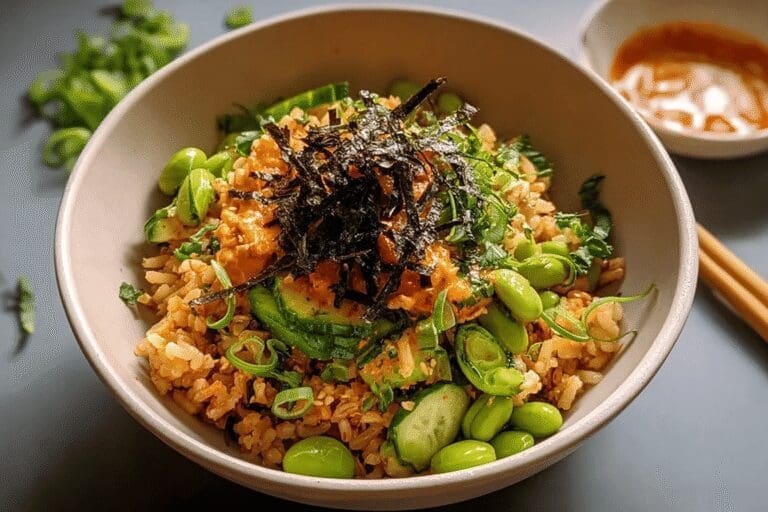
Gochujang Rice Salad
🍚 Enjoy a satisfying Crispy Rice Salad topped with spicy, umami-rich Gochujang mushrooms for a delightful fusion of textures and flavors.
🌶️ Perfect for anyone looking to try a vibrant, plant-based dish that combines bold Korean-inspired spice with fresh, wholesome ingredients.
- Total Time: 35 minutes
- Yield: 3-4 servings
Ingredients
– 1 cup cooked sushi rice (about ⅓ cup dry)
– 1 tablespoon chili oil
– 9 oz king oyster mushrooms
– 6 oz shimeji mushrooms
– ½ tablespoon gochujang paste
– 2 teaspoons low-sodium tamari
– ½ tablespoon maple syrup
– 1 teaspoon rice vinegar
– 1 teaspoon sesame oil
– 1 ½ tablespoons natural peanut butter (or tahini for nut-free version)
– 1 tablespoon finely grated fresh ginger
– 1 clove garlic
– 2 tablespoons lime juice
– 2 teaspoons low-sodium tamari
– 2 teaspoons maple syrup
– ¼ cup dairy-free milk (soy milk suggested)
– 1 teaspoon gochujang paste
– 1 ½ cups shelled frozen edamame (thawed)
– 1 medium cucumber (diced)
– 2 spring onions (finely chopped)
– 1 avocado (diced)
– ¼ cup fresh mint (finely chopped)
Instructions
1-First, prepare all ingredients by cooking rice and letting it cool to room temperature. Wash, peel, and chop vegetables as required.
2-In a mixing bowl, combine the gochujang paste, sesame oil, and a splash of rice vinegar or lime juice to create the dressing.
3-Toss the cooled rice with the dressing thoroughly to ensure even coating.
4-Add in the chopped vegetables and gently mix to maintain texture.
5-Include protein of choice grilled chicken, tofu, or tempeh adjusting for dietary preferences.
6-Garnish with toasted sesame seeds and sliced green onions for extra flavor and crunch.
7-Final step: Serve immediately for best freshness or chill for 30 minutes to meld flavors. This process accommodates vegan, gluten-free, and low-calorie adaptations by substituting ingredients and adjusting seasoning accordingly.
Notes
🔥 For extra crispy rice, use a heavy-bottomed pan and avoid stirring too soon.
🍄 Choose fresh mushrooms and cook just until tender for best texture.
🥜 Substitute peanut butter with tahini for a nut-free version, maintaining the creamy texture of the sauce.
- Prep Time: 15 minutes
- Cook Time: 20 minutes
- Category: Salad
- Method: Pan-frying and tossing
- Cuisine: Fusion, Korean-inspired
- Diet: Vegetarian, Vegan option
Nutrition
- Serving Size: 1 bowl
- Calories: 420
- Sugar: 8 grams
- Sodium: 550 mg
- Fat: 18 grams
- Saturated Fat: 2.5 grams
- Unsaturated Fat: 11 grams
- Trans Fat: 0 grams
- Carbohydrates: 50 grams
- Fiber: 9 grams
- Protein: 15 grams
- Cholesterol: 0 mg


