

Why You’ll Love This Cod Fillets
Cod fillets are a weeknight hero: mild-flavored, quick to cook, and friendly to a wide range of diets. This easy baked cod recipe is built for busy home cooks and anyone who wants a healthy, tasty dinner with minimal fuss. Read on to see why cod fillets should be in your regular rotation.
- Ease of preparation: Cod fillets cook fast and need just a few pantry spices and a quick brush of butter and lemon. From prep to plate in about 15 minutes, this baked cod fits tight schedules and tired evenings.
- Health benefits: A single cod fillet is a lean source of protein with low fat and moderate calories. It provides vitamin A, vitamin C, potassium, and iron, making baked cod a smart choice for diet-conscious individuals and families watching nutrition.
- Versatility: Cod fillets pair well with rice, greens, pasta, or roasted vegetables. You can swap seasonings to suit low-sodium, low-calorie, or gluten-free meals without changing cooking method.
- Distinctive flavor: The delicate, flaky texture of cod absorbs simple flavors like butter, lemon, garlic, and parsley, delivering a bright, comforting plate that’s both gentle and satisfying.
Whether you are a student making quick dinners, a busy parent juggling schedules, or someone watching calories, this baked cod recipe is adaptable, fast, and reliable. The recipe uses everyday ingredients and straightforward steps, perfect for cooks at any experience level who want simple results with great taste.
Jump To
- 1. Why You’ll Love This Cod Fillets
- 2. Essential Ingredients for Cod Fillets
- 3. How to Prepare the Perfect Cod Fillets: Step-by-Step Guide
- 4. Dietary Substitutions to Customize Your Cod Fillets
- 5. Mastering Cod Fillets: Advanced Tips and Variations
- 6. How to Store Cod Fillets: Best Practices
- 7. Nutrition Facts and Preparation Time
- 8. Tips and Tricks
- 9. FAQs: Frequently Asked Questions About Cod Fillets
- 10. Cod Fillets
Essential Ingredients for Cod Fillets
Below is the complete list of ingredients for this baked cod recipe. Each item includes the exact measurement and a short note about its role.
- 6 cod fillets (about 4 oz each) – Main protein; fresh or fully thawed frozen fillets work best.
- 1 teaspoon garlic powder (or 2 teaspoons minced garlic cloves) – Adds savory depth; use fresh minced garlic for a brighter punch.
- 1 teaspoon paprika – Gives mild color and a subtle smoky flavor.
- 1/2 teaspoon salt – Basic seasoning; reduce for low-sodium diets.
- 1/4 teaspoon ground black pepper – Adds gentle heat and balance.
- 1/2 teaspoon dried parsley (or Italian seasoning) – Brings herbaceous notes; swap with fresh parsley for a fresher finish.
- 1/4 teaspoon onion powder – Builds savory background flavor without adding moisture.
- 2 tablespoons melted butter – Keeps the fish moist and adds richness; can be swapped with oil for dairy-free diets.
- 2 teaspoons fresh lemon juice – Brightens flavor and pairs well with butter and herbs.
- Lemon wedges (for serving) – Optional, for extra brightness at the table.
Special Dietary Options
- Vegan: Replace cod fillets with firm tofu steaks or thick cauliflower steaks, use olive oil instead of butter, and swap dairy-based additions for plant-based alternatives.
- Gluten-free: This recipe is naturally gluten-free. If adding a crumb topping, use gluten-free panko or crushed gluten-free crackers.
- Low-calorie: Use 1 tablespoon melted butter or a light oil spray to cut calories; reduce salt if needed.
How to Prepare the Perfect Cod Fillets: Step-by-Step Guide
This step-by-step guide follows the simple baked cod recipe and includes small adjustments for thickness, frozen fillets, or added crunch. Read each step fully before starting so cooking moves quickly and confidently.
First Step: Mise en place and oven prep
Preheat the oven to 400°F (200°C). Lightly grease a baking pan or line it with parchment paper for easy cleanup. Gather a small bowl for the seasoning mix, a brush for the melted butter, a measuring spoon, and a fork or thin spatula to test doneness.
Second Step: Dry and season the fish
Pat cod fillets dry with a paper towel; removing surface moisture helps the seasonings stick and promotes light browning. In a small bowl combine the spices: garlic powder (or minced garlic), paprika, salt, ground black pepper, dried parsley (or Italian seasoning), and onion powder. If you use minced garlic, mix it with the melted butter instead of the dry spice blend.
Third Step: Add butter and lemon
Brush each fillet with 2 tablespoons melted butter divided across the fillets. Drizzle 2 teaspoons fresh lemon juice over the fillets for brightness. If you prefer a dairy-free option, substitute melted olive oil; the oil helps the seasoning adhere and keeps the fish moist.
Fourth Step: Apply the seasoning mix
Sprinkle the seasoning mixture evenly over each fillet so each bite has balanced flavor. For extra texture, press a light layer of gluten-free panko mixed with a tablespoon of grated parmesan onto the top of each fillet; this creates a crispy crust when baked.
Fifth Step: Bake the cod
Place the seasoned fillets on the parchment-lined pan and bake uncovered at 400°F. Bake for 8-10 minutes for standard fillets about 3/4 to 1 inch thick. For very thin fillets, check at 5-6 minutes. The fish should flake easily with a fork and reach an internal temperature of 145°F (63°C) when measured with a food thermometer. To keep fillets extra tender, do not overbake.
Final Step: Finish and serve
Remove the pan from the oven and let the fillets rest for a minute. Serve with lemon wedges and a sprinkle of fresh herbs if desired. Pair with a simple side like garlic butter rice with kale for a balanced plate; see this recipe for a great side option: Garlic butter rice with kale.
Timing and adaptation notes
- Prep time: 5 minutes. Cook time: 8-10 minutes. Total time: about 15 minutes.
- If using frozen fillets, thaw completely in the refrigerator before seasoning for the best texture. If you must bake from frozen, add roughly 50 percent more time and check with a thermometer.
- To add a crisp top, broil for 1-2 minutes at the end of baking while watching closely to avoid burning.
Patting the fillets dry before seasoning and using high heat are two small tricks that make a big difference in texture and flavor.

Dietary Substitutions to Customize Your Cod Fillets
Protein and Main Component Alternatives
If cod is unavailable or you need a different protein, try these swaps. Each alternative keeps the same basic method: brush with fat, season, and bake at high heat.
- White fish alternative: Haddock, pollock, or tilapia work similarly; adjust baking time for thickness.
- Salmon: Thicker and oilier, salmon can handle the same seasonings but may need a few extra minutes depending on thickness; try our poached salmon for another easy fish option: Poached salmon.
- Plant-based: Thick tofu slices or large cauliflower steaks mimic the structure of the fillet; press tofu to remove extra water and roast a few minutes longer for golden edges.
- Shellfish swap: Large shrimp or scallops can be seasoned the same way but will cook faster; watch closely and remove when opaque and firm.
Vegetable, Sauce, and Seasoning Modifications
Adjust sides and flavors to fit seasons or dietary needs. Here are easy swaps and additions:
- Low-sodium: Reduce salt by half and boost flavor with extra lemon, fresh herbs, or a pinch of smoked paprika.
- Crunchy topping: Mix panko with grated parmesan and a little melted butter; press on top for a golden finish. Use gluten-free panko to keep it gluten-free.
- Sauces: A light yogurt-dill sauce, chimichurri, or a simple lemon-caper butter works well and keeps the plate bright.
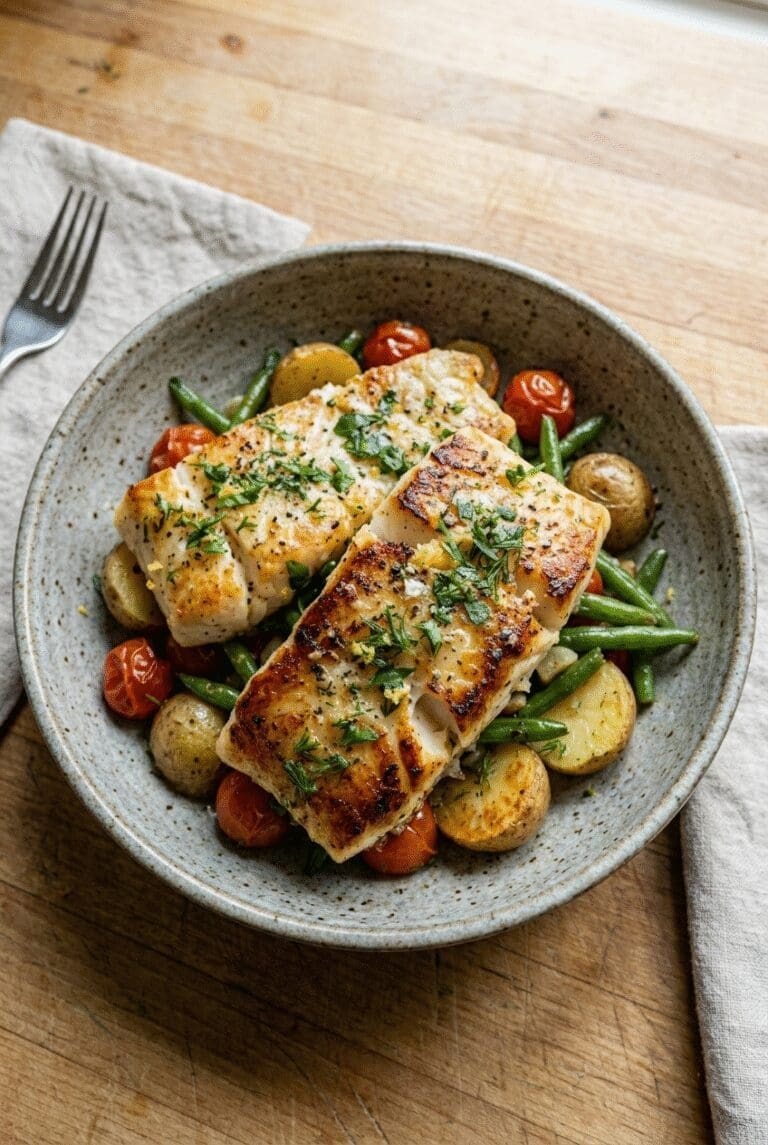
- Vegetable pairings: Roasted asparagus, steamed green beans, or a quick sauté of spinach are all fast, healthy companions.
Mastering Cod Fillets: Advanced Tips and Variations
Once you feel comfortable with the basic baked cod, try these pro tips and tasty twists to make your dish even better.
Pro cooking techniques
- Even thickness: Trim fillets so they are roughly the same thickness for uniform cooking. Thicker pieces may be placed on the outer parts of the pan where heat is gentler.
- Thermometer use: A digital instant-read thermometer gives the most reliable doneness reading; aim for 145°F internal temperature.
- Rest time: Let fillets rest briefly before serving so juices redistribute for a moister result.
Flavor variations
- Herb-lemon crust: Mix fresh parsley, lemon zest, and panko for a zesty crust.
- Spicy paprika rub: Add a pinch of cayenne or chili flakes to the paprika for a peppery kick.
- Garlic-parmesan: Blend minced garlic with grated parmesan and panko for a golden topping that adds texture.
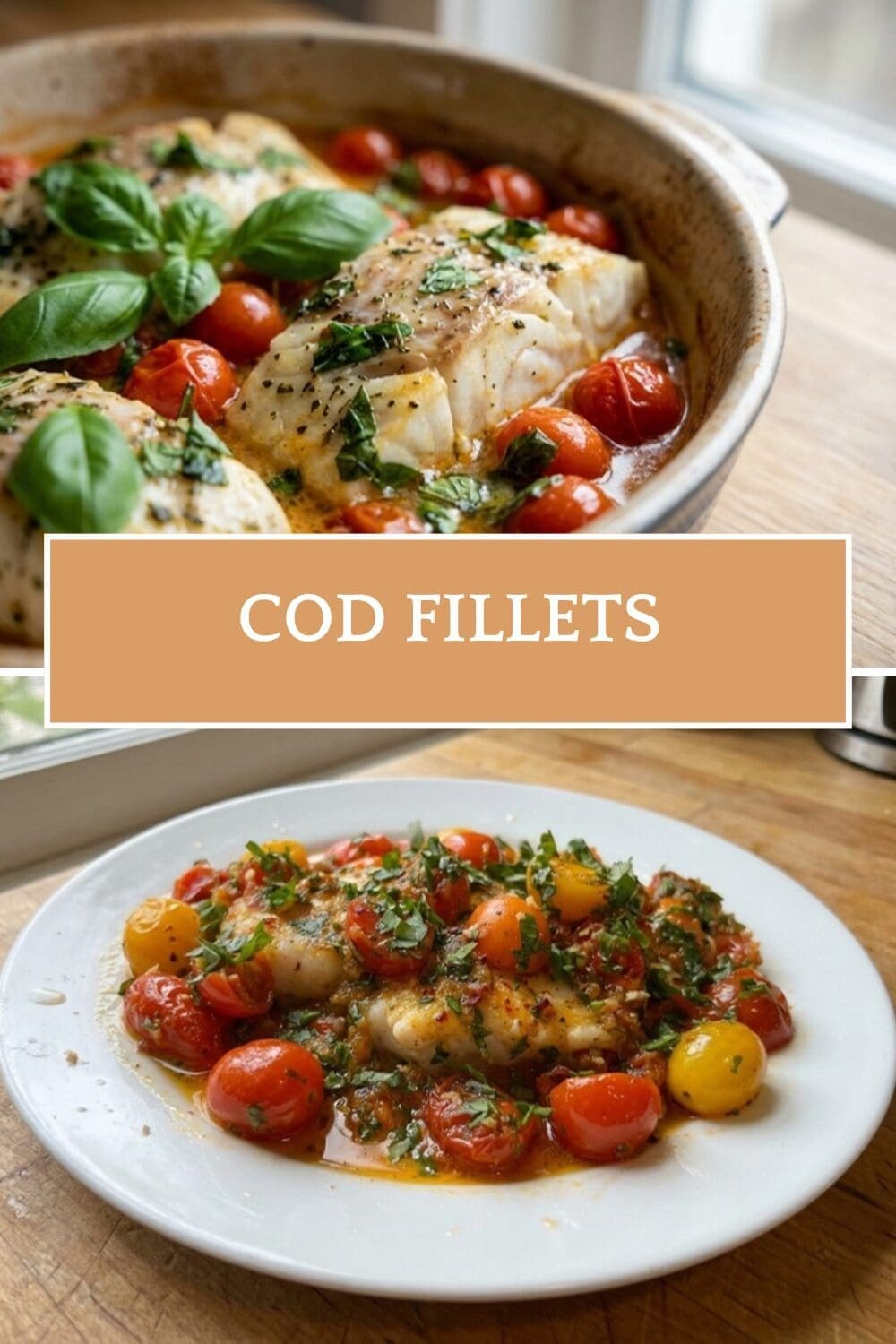
- Mediterranean twist: Top with cherry tomatoes, capers, and a drizzle of extra-virgin olive oil after baking.
Presentation tips
- Plate on a bed of lightly dressed greens or lemony rice to keep the fish front and center.
- Garnish with thin lemon slices, chopped parsley, or microgreens for a fresh look.
Make-ahead options
- Prep the seasoning mix and melted butter ahead and store in the fridge for up to 2 days.
- Assemble fillets on the baking sheet, cover, and refrigerate for up to 24 hours; bake straight from the fridge, adding a minute or two to cook time.
How to Store Cod Fillets: Best Practices
Good storage keeps leftover cod safe and tasty. Follow these practical guidelines for short-term and long-term storage, reheating, and meal prep.
Refrigeration
Store cooked cod in an airtight container and refrigerate within two hours of cooking. Use within 3 days for best quality and flavor.
Freezing
Freeze leftovers for up to 6 weeks. Cool cooked fillets to room temperature first, then wrap tightly in plastic wrap or place in airtight freezer bags with as much air removed as possible. Label with the date.
Reheating
Reheat gently to avoid drying out the fish. Warm in a 300°F oven until heated through, or use a microwave with a damp paper towel over the fillet to preserve moisture. Avoid high heat that will make the texture tough.
Meal prep considerations
Portion cooked fillets into meal containers with separate compartments for sides to keep textures fresh. Use frozen cooked fillets in salads or tacos after thawing overnight in the refrigerator.
Nutrition Facts and Preparation Time
Below is the nutritional breakdown per serving (one fillet) and the quick time estimate for the recipe.
| Nutrient | Amount per serving (1 fillet) |
|---|---|
| Calories | 130 |
| Carbohydrates | 1 g |
| Protein | 20 g |
| Fat | 5 g |
| Saturated Fat | 3 g |
| Polyunsaturated Fat | 0.4 g |
| Monounsaturated Fat | 1 g |
| Trans Fat | 0.2 g |
| Cholesterol | 59 mg |
| Sodium | 286 mg |
| Potassium | 487 mg |
| Fiber | 0.2 g |
| Sugar | 0.1 g |
| Vitamin A | 327 IU |
| Vitamin C | 2 mg |
| Calcium | 21 mg |
| Iron | 1 mg |
Preparation Time: Prep: 5 minutes | Cook: 10 minutes | Total: 15 minutes
Tips and Tricks
- Pat cod dry for better browning.
- Use evenly sized thick fillets so they cook at the same rate.
- High oven heat keeps the fish tender while cooking quickly.
- Check doneness at 145°F to avoid toughness.
- Butter and lemon add needed moisture and brightness to the finished dish.
- Bake uncovered for better browning; foil can be used to keep fillets extra tender when preferred.
- Thaw frozen cod fully in the fridge before seasoning to avoid sogginess.
- Freeze leftovers up to 6 weeks; refrigerate up to 3 days.
- Add panko and parmesan for a crispy finish if desired.
FAQs: Frequently Asked Questions About Cod Fillets
How long to bake cod fillets in the oven?
Bake cod fillets at 400°F (200°C) for 12-15 minutes, depending on thickness. For 1-inch thick fillets, check doneness at 12 minutes. The fish is ready when it flakes easily with a fork and reaches an internal temperature of 145°F (63°C) measured with a food thermometer. Pat fillets dry, brush with oil, season with salt, pepper, and lemon, then place on a parchment-lined baking sheet. Avoid overcooking to keep it moist. This method works for fresh or thawed fillets and yields tender, flaky results every time. Serve with veggies or rice for a quick meal. (78 words)
Should you cover cod fillets when baking?
No, leave cod fillets uncovered when baking to promote browning and a slightly crispy top. Covering traps steam, which can make the fish soggy instead of firm and flavorful. Preheat your oven to 400°F, place seasoned fillets on a baking sheet, and bake for 12-15 minutes until they reach 145°F internally. For extra crispiness, broil for the last 1-2 minutes. This simple step ensures even cooking and better texture without drying out the delicate fish. Pair with herbs like dill for added taste. (92 words)
Can you bake frozen cod fillets?
It’s best to thaw frozen cod fillets first for even baking and food safety, but you can bake them from frozen with adjustments. Increase baking time by 50%—about 18-22 minutes at 400°F—until they hit 145°F internally. Rinse under cold water to remove ice glaze, pat dry, season, and bake on a sheet. Thawing overnight in the fridge is ideal to avoid mushiness and ensure proper seasoning absorption. Always use a thermometer to confirm doneness and prevent undercooking. This saves time on busy nights. (89 words)
Can you bake cod fillets in foil?
Yes, baking cod fillets in foil keeps them moist and tender by trapping steam. Preheat oven to 375°F, place each fillet on a foil sheet, add seasonings like garlic, butter, lemon slices, and herbs, then seal tightly into packets. Bake for 15-20 minutes until flaky and at 145°F. This no-mess method infuses flavors and prevents drying. Open packets for the last 2 minutes if you want browning. Great for meal prep—foil packets reheat well too. Compare to salmon for similar juicy results. (87 words)
Can you freeze leftover cooked cod fillets?
Yes, freeze cooked cod fillets for up to 6 weeks to minimize texture loss. Cool completely to room temperature (within 2 hours of cooking for safety), portion into airtight freezer bags or containers, and remove excess air to prevent freezer burn. Label with date. Thaw in the fridge overnight before reheating gently in a 300°F oven or microwave with a damp paper towel. Avoid refreezing thawed cooked fish. This preserves flavor for quick meals like fish tacos or salads. Proper storage keeps it tasting fresh. (94 words)
Cod Fillets
🐟 Perfect for beginners with simple ingredients and foolproof cooking method
🍽️ Healthy, lean protein option that’s ready in just 15 minutes
- Total Time: 15 minutes
- Yield: 6 servings
Ingredients
– 6 cod fillets (about 4 oz each) [Main protein]
– 1 teaspoon garlic powder (or 2 teaspoons minced garlic cloves) [Adds savory depth]
– 1 teaspoon paprika [Gives mild color and a subtle smoky flavor]
– 1/2 teaspoon salt [Basic seasoning]
– 1/4 teaspoon ground black pepper [Adds gentle heat and balance]
– 1/2 teaspoon dried parsley (or Italian seasoning) [Brings herbaceous notes]
– 1/4 teaspoon onion powder [Builds savory background flavor without adding moisture]
– 2 tablespoons melted butter [Keeps the fish moist and adds richness]
– 2 teaspoons fresh lemon juice [Brightens flavor and pairs well with butter and herbs]
– Lemon wedges [for serving]
Instructions
1-First Step: Mise en place and oven prep Preheat the oven to 400°F (200°C). Lightly grease a baking pan or line it with parchment paper for easy cleanup. Gather a small bowl for the seasoning mix, a brush for the melted butter, a measuring spoon, and a fork or thin spatula to test doneness.
2-Second Step: Dry and season the fish Pat cod fillets dry with a paper towel; removing surface moisture helps the seasonings stick and promotes light browning. In a small bowl combine the spices: garlic powder (or minced garlic), paprika, salt, ground black pepper, dried parsley (or Italian seasoning), and onion powder. If you use minced garlic, mix it with the melted butter instead of the dry spice blend.
3-Third Step: Add butter and lemon Brush each fillet with 2 tablespoons melted butter divided across the fillets. Drizzle 2 teaspoons fresh lemon juice over the fillets for brightness. If you prefer a dairy-free option, substitute melted olive oil; the oil helps the seasoning adhere and keeps the fish moist.
4-Fourth Step: Apply the seasoning mix Sprinkle the seasoning mixture evenly over each fillet so each bite has balanced flavor. For extra texture, press a light layer of gluten-free panko mixed with a tablespoon of grated parmesan onto the top of each fillet; this creates a crispy crust when baked.
5-Fifth Step: Bake the cod Place the seasoned fillets on the parchment-lined pan and bake uncovered at 400°F. Bake for 8-10 minutes for standard fillets about 3/4 to 1 inch thick. For very thin fillets, check at 5-6 minutes. The fish should flake easily with a fork and reach an internal temperature of 145°F (63°C) when measured with a food thermometer. To keep fillets extra tender, do not overbake.
6-Final Step: Finish and serve Remove the pan from the oven and let the fillets rest for a minute. Serve with lemon wedges and a sprinkle of fresh herbs if desired. Pair with a simple side like garlic butter rice with kale for a balanced plate; see this recipe for a great side option: Garlic butter rice with kale.
Notes
🐟 Pat cod dry before seasoning for better browning and flavor
🌡️ Use a meat thermometer to check for 145°F internal temperature for perfect doneness
⏰ Don’t overcook – cod continues cooking slightly after removing from oven
- Prep Time: 5 minutes
- Cook Time: 10 minutes
- Category: Main Dish
- Method: Baking
- Cuisine: American
- Diet: Pescatarian
Nutrition
- Serving Size: 1 fillet
- Calories: 130
- Sugar: 0.1
- Sodium: 286
- Fat: 5
- Saturated Fat: 3
- Unsaturated Fat: 1.4
- Trans Fat: 0.2
- Carbohydrates: 1
- Fiber: 0.2
- Protein: 20
- Cholesterol: 59


