

Why You’ll Love These High-Protein Meals
High-Protein Meals are a smart choice for anyone who wants quick food that feels filling, tastes great, and fits a busy schedule. With 94 recipes in this category, you can find plenty of choices, from salads and stews to chillis and snacks. That variety makes it easy to keep meals interesting while still focusing on protein-rich ingredients that support your day.
High-protein food can help you stay full longer, support muscle repair, and make meal prep feel much easier during a packed week.
- Ease of preparation: This style of meal is built for fast cooking. Many options take less than 30 minutes, which works well for busy parents, students, and working professionals.
- Health benefits: Protein helps support muscle repair, fullness, and steady energy. It also pairs well with vegetables, grains, and healthy fats for a balanced plate.
- Versatility: High-Protein Meals can be adjusted for low-carb, gluten-free, or budget-friendly eating plans without losing flavor.
- Distinctive flavor: Bold sauces, fresh herbs, and simple seasoning make these meals satisfying instead of boring.
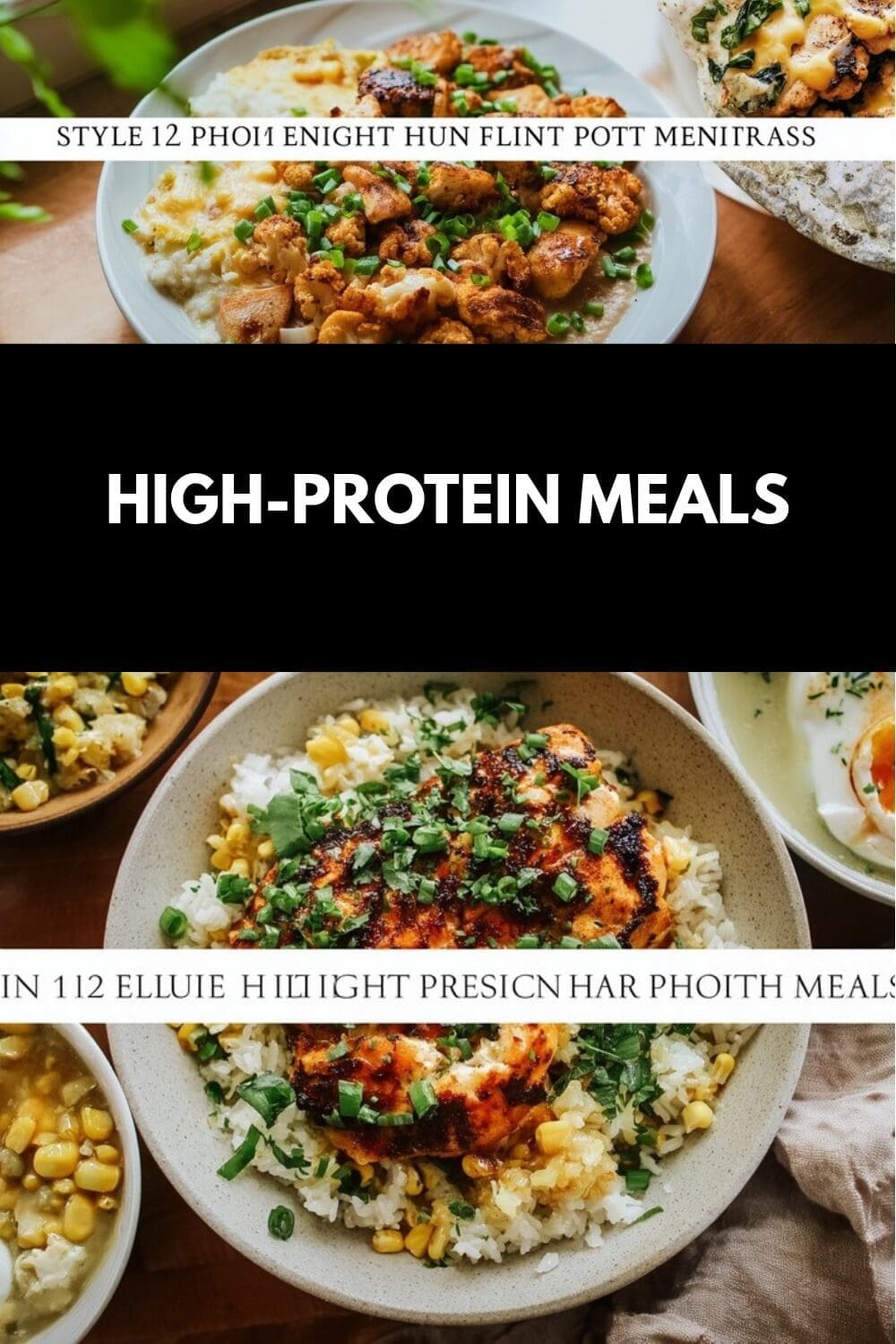
One standout recipe in this group is the spicy chicken casserole with quinoa, a low-fat, high-protein option that brings a savory, comforting taste to the table in only 20 minutes. If you like fast dinner ideas, this kind of recipe fits right in with other family-friendly meals such as easy chicken stir-fry recipes and parmesan-crusted chicken breast.
Jump To
- 1. Why You’ll Love These High-Protein Meals
- 2. Essential Ingredients for High-Protein Meals
- 3. How to Prepare the Perfect High-Protein Meals: Step-by-Step Guide
- 4. Dietary Substitutions to Customize Your High-Protein Meals
- 5. Mastering High-Protein Meals: Advanced Tips and Variations
- 6. How to Store High-Protein Meals: Best Practices
- 7. FAQs: Frequently Asked Questions About High-Protein Meals
- 8. High-Protein Meals
Essential Ingredients for High-Protein Meals
The recipe details provided focus on the cooking method and final dish rather than a full measured ingredient list. Since the prompt asks for a structured ingredients section, the list below reflects the ingredients and components named in the recipe information, with clear preparation notes for each item.
- Turkey mince – the main protein source, crisp-fried for a savory texture and high-protein result.
- Chilli sauce – adds heat and gives the dish its bold flavor profile.
- Soy sauce – brings saltiness, depth, and a rich umami taste.
- Garlic – adds aroma and a strong, familiar flavor base.
- Udon noodles – serve as the hearty base under the turkey mince mixture.
- Quinoa – included in the recipe title as a protein-rich grain option for readers who want a filling meal.
Special Dietary Options
- Vegan: Swap turkey mince for crumbled tofu, tempeh, or plant-based mince. Use a vegan chilli sauce and check the soy sauce label.
- Gluten-free: Replace udon noodles with rice noodles or gluten-free noodles. Use gluten-free soy sauce or tamari.
- Low-calorie: Keep the sauce light, use extra garlic and chilli for flavor, and serve over a smaller portion of noodles with extra vegetables.
If you enjoy simple protein-focused dinners, you may also like baked cheesy broccoli chicken patties for another quick and filling option.
How to Prepare the Perfect High-Protein Meals: Step-by-Step Guide
This recipe is simple enough for weeknights, yet it still gives you a satisfying mix of crispy texture, bold sauce, and filling noodles. The full process takes about 20 minutes, which makes it a strong choice when you need dinner fast.
First Step: Prepare your ingredients
Set out the turkey mince, chilli sauce, soy sauce, garlic, udon noodles, and quinoa if you are using it as part of the meal. This is the best time to cook the noodles or rinse and cook the quinoa, depending on how you want to serve the dish. Having everything ready before the pan heats up helps the cooking move quickly and smoothly.
Second Step: Heat the pan
Place a large skillet or wok over medium-high heat. Add a small amount of oil if needed so the turkey mince can crisp properly. A hot pan is important because it helps the mince brown instead of steaming.
Third Step: Crisp-fry the turkey mince
Add the turkey mince to the hot pan and break it up with a spoon or spatula. Let it cook without moving it too much at first so it can develop a browned, crisp texture. Stir occasionally until the turkey is cooked through and no pink remains.
Fourth Step: Add the sauce ingredients
Once the turkey mince is cooked, stir in the chilli sauce, soy sauce, and garlic. Mix well so every piece gets coated. Let the sauce bubble for a minute or two until it clings to the mince and becomes glossy. This gives the dish its savory, punchy flavor.
Fifth Step: Prepare the noodles or quinoa base
While the sauce finishes, cook the udon noodles according to package directions if you have not done so already. If you want to use quinoa as an extra base or side, make sure it is fluffy and fully cooked. Drain the noodles well so the sauce can coat them better.
Sixth Step: Assemble the dish
Place the noodles in bowls or on plates. Spoon the crisp-fried turkey mince mixture over the top. If you are using quinoa, serve it on the side or underneath the mince for a heartier meal. The final result should feel balanced, colorful, and filling.
Final Step: Serve right away
Serve the meal while it is hot so the turkey stays crisp and the noodles remain soft but not sticky. Taste the sauce before serving and adjust the heat if needed. A little extra soy or chilli sauce can be added at the table if you like stronger flavor.
| Recipe Detail | Information |
|---|---|
| Recipe name | Spicy chicken casserole with quinoa |
| Main method | Crisp-fry turkey mince with chilli, soy, and garlic sauce |
| Serving base | Udon noodles |
| Prep time | 20 minutes |
| Nutritional profile | Low in fat, high in protein |

Dietary Substitutions to Customize Your High-Protein Meals
Protein and Main Component Alternatives
If turkey mince is not available, lean chicken mince works well and keeps the dish in the same high-protein style. Ground beef can be used for a richer flavor, though it will raise the fat content a little. For a plant-based version, firm tofu or tempeh can stand in for the meat and still absorb the chilli, soy, and garlic sauce well.
Quinoa is already a good protein-friendly option, but you can also pair the mince with brown rice, rice noodles, or even cauliflower rice if you want a lighter meal. Udon noodles can be swapped for soba noodles, rice noodles, or gluten-free pasta depending on what you have in the kitchen.
Vegetable, Sauce, and Seasoning Modifications
Add vegetables like broccoli, bell peppers, snap peas, or shredded carrots to increase color and texture. These also help turn the meal into a fuller dinner without much extra work. If you prefer a milder flavor, reduce the chilli and add a touch of honey or sesame oil.
For a stronger kick, use extra garlic, fresh ginger, or chilli flakes. You can also swap part of the soy sauce for tamari if you need a gluten-free version. A splash of lime juice or rice vinegar at the end brightens the dish and balances the savory sauce.
Mastering High-Protein Meals: Advanced Tips and Variations
Small cooking changes can make this meal even better. High-Protein Meals often taste best when the protein is browned well, the sauce is balanced, and the final bowl has a mix of textures. These simple tips help you get better results every time.
Pro cooking techniques
Use a very hot pan so the turkey mince crisps instead of softening in its own juices. Avoid overcrowding the pan, since that can lower the temperature and stop browning. If needed, cook the turkey in batches for a better texture. Also, reduce the sauce for a minute or two so it coats the meat instead of pooling at the bottom.
Flavor variations
Try a sweet-spicy version with a little honey. Add ginger for a fresher taste, or sesame oil for a nutty note. You can also mix in chopped green onions or coriander right before serving. For a more filling dinner, add steamed broccoli or mushrooms.
Presentation tips
Serve the noodles in shallow bowls and spoon the turkey mixture over the center. Add a few sliced green onions on top for a clean finish. A sprinkle of sesame seeds can also add texture and a simple, polished look.
Make-ahead options
Cook the turkey mince mixture ahead of time and store it in the fridge for quick meals later in the week. You can also pre-cook the quinoa and noodles, then reheat them when needed. This makes it easy to build a fast lunch or dinner in just a few minutes.
How to Store High-Protein Meals: Best Practices
Proper storage helps keep this dish safe and tasty. Because the recipe is low in fat and high in protein, it works well for meal prep, especially when you want easy lunches or quick dinners later in the week.
- Refrigeration: Store leftovers in an airtight container in the fridge for up to 3 to 4 days.
- Freezing: Freeze the turkey mince mixture separately from the noodles for the best texture. Keep it in a freezer-safe container for up to 2 months.
- Reheating: Reheat gently in a skillet or microwave until hot. Add a splash of water if the sauce looks dry.
- Meal prep considerations: Divide into single portions so lunch or dinner is easy to grab. Keep noodles and sauce in separate containers if possible.
FAQs: Frequently Asked Questions About High-Protein Meals
What are high-protein meals?
High-protein meals focus on foods rich in protein, typically providing 20-40 grams or more per serving to support muscle repair, fullness, and energy. Common sources include lean meats like chicken or turkey, fish such as salmon, eggs, Greek yogurt, tofu, lentils, and quinoa. A balanced plate might combine a protein source with veggies and healthy fats—for example, grilled chicken salad with chickpeas (about 35g protein). These meals help maintain steady blood sugar and curb hunger. Track intake using apps like MyFitnessPal. Aim for 1.6-2.2g protein per kg body weight daily for active adults, per nutrition guidelines. Prep in advance for busy days.
Why should I eat high-protein meals?
High-protein meals promote satiety, aiding weight management—studies show they reduce calorie intake by 400+ daily. They support muscle growth and repair, especially post-workout, with research from the Journal of the International Society of Sports Nutrition confirming 20-40g per meal optimizes synthesis. Protein stabilizes blood sugar, preventing energy crashes, and preserves bone health in older adults. For vegetarians, plant proteins like beans meet needs when combined. Drawbacks include kidney strain if overconsumed (limit to 2g/kg body weight). Start by swapping carbs for protein in one meal daily to feel benefits within a week.
What are easy high-protein meal ideas for beginners?
Try these simple options: Breakfast—Greek yogurt parfait with nuts and berries (30g protein). Lunch—tuna salad wrap with whole-grain tortilla and veggies (28g). Dinner—baked salmon with quinoa and broccoli (40g). Snacks—cottage cheese with tomatoes or hard-boiled eggs (20g). Each takes under 20 minutes. Use rotisserie chicken for quick stir-fries or overnight oats with protein powder. Batch-cook on Sundays: grill 1lb chicken breasts for salads. Season with herbs, not salt, for flavor. These keep you full 4+ hours and cost under $5/serving.
How many grams of protein do I need in high-protein meals?
Target 20-40g protein per main meal for most adults, spacing across 3-5 meals to maximize absorption—research shows this beats front-loading. Sedentary folks need 0.8g/kg body weight daily (e.g., 56g for 70kg person), but athletes aim for 1.6-2.2g/kg (112-154g). A 30g meal example: 4oz turkey breast (30g), spinach salad, olive oil. Use a food scale initially, then labels. Adjust for goals—more for muscle gain, moderate for weight loss. Over 3g/kg risks gut issues; consult a doctor if kidney concerns. Apps calculate precisely based on your stats.
Can high-protein meals help with weight loss?
Yes, high-protein meals boost metabolism via thermogenesis (burning 20-30% more calories digesting protein) and increase fullness hormones like PYY, per meta-analyses in Obesity Reviews. Participants lost 1-2lbs more weekly on high-protein diets. Example plan: 30g breakfast (eggs + spinach), 35g lunch (lentil soup), 40g dinner (tofu stir-fry)—total 100g+ daily under 1,800 calories. Pair with veggies for volume. Track progress weekly; combine with 150min exercise. Sustainable loss is 0.5-1% body weight/week. Vegetarians succeed with seitan or edamame. See related recipes on our site for full plans.

High-Protein Meals
💪 Fuel your day with 35g+ protein per serving in this spicy, satisfying casserole – perfect for muscle building and satiety!
⏰ Ready in just 20 minutes using simple ingredients – ideal quick meal or snack for busy lifestyles!
- Total Time: 20 minutes
- Yield: 4 servings
Ingredients
– Turkey mince
– Chilli sauce
– Soy sauce
– Garlic
– Udon noodles
– Quinoa
Instructions
1-First Step: Prepare your ingredients Set out the turkey mince, chilli sauce, soy sauce, garlic, udon noodles, and quinoa if you are using it as part of the meal. This is the best time to cook the noodles or rinse and cook the quinoa, depending on how you want to serve the dish. Having everything ready before the pan heats up helps the cooking move quickly and smoothly.
2-Second Step: Heat the pan Place a large skillet or wok over medium-high heat. Add a small amount of oil if needed so the turkey mince can crisp properly. A hot pan is important because it helps the mince brown instead of steaming.
3-Third Step: Crisp-fry the turkey mince Add the turkey mince to the hot pan and break it up with a spoon or spatula. Let it cook without moving it too much at first so it can develop a browned, crisp texture. Stir occasionally until the turkey is cooked through and no pink remains.
4-Fourth Step: Add the sauce ingredients Once the turkey mince is cooked, stir in the chilli sauce, soy sauce, and garlic. Mix well so every piece gets coated. Let the sauce bubble for a minute or two until it clings to the mince and becomes glossy. This gives the dish its savory, punchy flavor.
5-Fifth Step: Prepare the noodles or quinoa base While the sauce finishes, cook the udon noodles according to package directions if you have not done so already. If you want to use quinoa as an extra base or side, make sure it is fluffy and fully cooked. Drain the noodles well so the sauce can coat them better.
6-Sixth Step: Assemble the dish Place the noodles in bowls or on plates. Spoon the crisp-fried turkey mince mixture over the top. If you are using quinoa, serve it on the side or underneath the mince for a heartier meal. The final result should feel balanced, colorful, and filling.
7-Final Step: Serve right away Serve the meal while it is hot so the turkey stays crisp and the noodles remain soft but not sticky. Taste the sauce before serving and adjust the heat if needed. A little extra soy or chilli sauce can be added at the table if you like stronger flavor.
Notes
🍗 Use ground turkey as substitute for even leaner high-protein option.
🌶️ Adjust chili powder and chilies for your preferred spice level.
🧀 Skip cheese for dairy-free version, still packs tons of protein from chicken and quinoa.
- Prep Time: 10 minutes
- Cook Time: 10 minutes
- Category: Poultry
- Method: Stovetop
- Cuisine: American Fusion
- Diet: High-Protein
Nutrition
- Serving Size: 1/4 recipe
- Calories: 450 kcal
- Sugar: 5g
- Sodium: 650mg
- Fat: 20g
- Saturated Fat: 8g
- Unsaturated Fat: 10g
- Trans Fat: 0g
- Carbohydrates: 38g
- Fiber: 6g
- Protein: 35g
- Cholesterol: 110mg


