

Why You’ll Love This Cabbage Soup
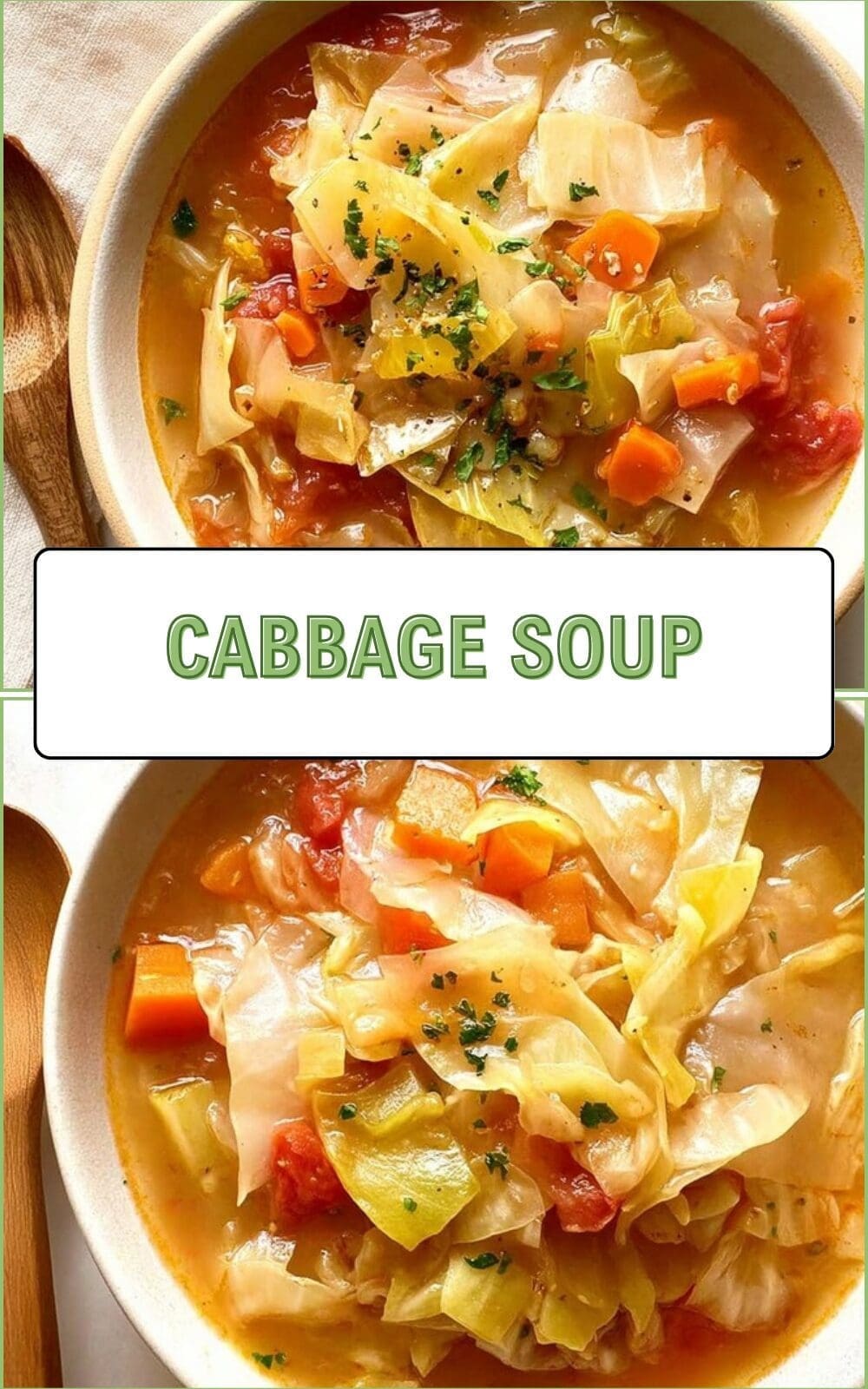
This Cabbage Soup is a flavorful, nourishing recipe featuring an entire small green cabbage (about 1 pound or 9 cups chopped), aromatic vegetables, and fire-roasted tomatoes for a comforting meal. It hits a sweet spot for busy cooks who want something cozy, healthy, and ready in under an hour.
- Ease of preparation: This cabbage soup recipe uses simple chopping, one pot, and straightforward simmering. Prep time is about 15 minutes and total time is 50 minutes, so it works on weeknights or for easy meal prep on weekends.
- Health benefits: Packed with fiber from cabbage and beans, vitamins from the vegetables, and healthy fats from extra-virgin olive oil, the soup makes a light but filling meal that supports weight-conscious eating.
- Versatility: The base is flexible. Keep it vegan or add protein like ground turkey or diced ham. Swap vegetables to match the season or your pantry.
- Distinctive flavor: Fire-roasted tomatoes add a smoky sweetness that partners with a splash of white wine vinegar for brightness, creating a comforting bowl that never feels bland.
“Subtle cabbage sweetness balanced by a touch of vinegar makes this one-pot soup feel like a warm hug on a busy night.”
Jump To
- 1. Why You’ll Love This Cabbage Soup
- 2. Essential Ingredients for Cabbage Soup
- 3. How to Prepare the Perfect Cabbage Soup: Step-by-Step Guide
- 4. Dietary Substitutions to Customize Your Cabbage Soup
- 5. Mastering Cabbage Soup: Advanced Tips and Variations
- 6. How to Store Cabbage Soup: Best Practices
- 7. FAQs: Frequently Asked Questions About Cabbage Soup
- 8. Cabbage Soup
Essential Ingredients for Cabbage Soup
Serves 6. Below is the full ingredient list with what each item contributes to the pot of Cabbage Soup.
Main Ingredients
- 1 small green cabbage (around 9 cups chopped) – Provides bulk, fiber, and a mild sweetness that becomes tender and hearty when simmered.
- 2 carrots, chopped – Adds color, natural sweetness, and beta-carotene.
- 1 medium yellow onion, diced – Builds the aromatic base and savory depth.
- 1 celery rib, diced – Contributes a subtle savory crunch and classic soup flavor.
- 2 tablespoons extra-virgin olive oil – Healthy fat for sautéing and mouthfeel.
- 2 (14.5-ounce) cans diced fire-roasted tomatoes – Smoky, tangy tomato flavor that lifts the broth.
- 4 cups vegetable broth – The liquid base; use low-sodium if you want to control salt.
- 1 (15.5-ounce) can white beans, drained and rinsed (such as navy beans, cannellini beans, or chickpeas) – Plant-based protein and creamy texture.
- 4 garlic cloves, grated – Adds bright, aromatic depth.
- 2 Yukon Gold potatoes, diced – Gives body and light creaminess when cooked through.
- 3/4 teaspoon dried thyme – Earthy herb to tie flavors together.
- 2 tablespoons white wine vinegar – A late addition that brings bright acidity to balance the cabbage.
- Salt and pepper to taste – Basic seasoning to finish the soup.
- Fresh parsley for garnish – Fresh herb to brighten each bowl.
Special Dietary Options
- Vegan: This recipe is naturally vegan as written when using vegetable broth and no animal proteins.
- Gluten-free: Use certified gluten-free vegetable broth if needed; all other ingredients are naturally gluten-free.
- Low-calorie: Keep the oil amount as written (2 tablespoons) or reduce to 1 tablespoon and increase white beans for protein if desired. Skip added starches to keep calories down.
How to Prepare the Perfect Cabbage Soup: Step-by-Step Guide
This step-by-step layout follows the exact method and timings so you can make the cabbage soup reliably every time. Timing: Prep 15 minutes; Cook 35 minutes; Total 50 minutes.
First Step: Prep and mise en place
Wash and dry all produce. Chop the cabbage into about 9 cups chopped (this is approximately a 1-pound small green cabbage). Dice the medium yellow onion, chop 2 carrots, dice 1 celery rib, and peel and dice 2 Yukon Gold potatoes into bite-sized pieces. Grate 4 garlic cloves so they are ready to go. Open and drain the white beans and open the cans of fire-roasted tomatoes.
Second Step: Sauté the aromatics
Heat 2 tablespoons extra-virgin olive oil in a large pot over medium heat. Add the 2 chopped carrots, 1 diced medium yellow onion, and 1 diced celery rib. Season with a pinch of salt and a few grinds of black pepper. Cook, stirring occasionally, for about 8 minutes or until the onion becomes translucent and the carrots start to soften. This builds the flavor base and releases sugars from the vegetables.
Third Step: Brighten with vinegar
Stir in 2 tablespoons white wine vinegar. Add it now to lift the pan flavors and deglaze any bits stuck to the bottom. Adding the vinegar late prevents the vegetables from staying too crunchy and lets the acidity integrate without turning harsh.
Fourth Step: Add tomatoes, broth, and beans
Into the pot add the 2 (14.5-ounce) cans diced fire-roasted tomatoes (with juices), 4 cups vegetable broth, and the 1 (15.5-ounce) can white beans (drained and rinsed). Stir to combine. The fire-roasted tomatoes give the soup a smoky, rich tomato base that blends beautifully with the broth.
Fifth Step: Add potatoes, cabbage, garlic, and thyme
Next add the 4 grated garlic cloves, the 2 diced Yukon Gold potatoes, 9 cups chopped cabbage, and 3/4 teaspoon dried thyme. Stir everything together so the cabbage and potatoes are submerged in the broth.
Sixth Step: Simmer until tender
Bring the pot up to a gentle boil over medium-high heat, then reduce heat to low and cover. Simmer for 20 to 30 minutes, checking at about 20 minutes for tender potatoes and cabbage. You want the cabbage to be tender but not falling apart; the potatoes should be soft when pierced with a fork.
Final Step: Adjust seasoning and serve
Once the potatoes and cabbage are tender, taste and adjust seasoning with salt and pepper. If you want extra brightness, add a splash more white wine vinegar a teaspoon at a time. Ladle into bowls and garnish with chopped fresh parsley.
| Stage | Time | Purpose |
|---|---|---|
| Prep | 15 minutes | Chop veggies, open cans, grate garlic |
| Sauté aromatics | 8 minutes | Build flavor base |
| Simmer | 20-30 minutes | Tenderize potatoes and cabbage |
If you like a thicker soup, mash a cup of the beans or potatoes against the side of the pot and stir to create natural creaminess. For a chunkier style, keep everything whole. The recipe is forgiving: cook slightly longer for softer vegetables or reduce cooking to keep them firmer.
Pairing suggestion: serve with crusty bread or a simple side. For an easy make-ahead side, try a make-ahead mashed potato casserole for a hearty meal, or keep it light with garlic butter rice with kale.

Dietary Substitutions to Customize Your Cabbage Soup
Protein and Main Component Alternatives
This cabbage soup is a flexible canvas. Here are easy ways to change the main protein or bulk component depending on diet and what you have on hand.
- Plant-forward: Keep the white beans and add another can of beans (kidney or black beans) for extra protein. Tofu cubes can also be stirred in near the end.
- Lean meat: Brown 1 pound of ground turkey or lean ground beef in the pot before adding the vegetables. Drain excess fat and proceed with the recipe for a heartier, low-fat protein boost.
- Ham or smoked meats: Dice leftover ham or smoked turkey and add with the tomatoes for a smoky, savory twist that pairs nicely with the fire-roasted tomatoes.
- Seafood option: Add peeled shrimp in the last 5 minutes of simmering until just cooked through for a quick variation.
Vegetable, Sauce, and Seasoning Modifications
Switch up the vegetables or seasonings without losing the soup’s character.
- Root vegetables: Add parsnips or turnips diced similar to potatoes for an earthier flavor.
- Greens: Stir in chopped kale or spinach during the last 5 minutes for added nutrients and color.
- Tomato options: If you do not have fire-roasted tomatoes, use plain diced tomatoes and add a teaspoon smoked paprika for a similar smoky note.
- Acidity swaps: Substitute apple cider vinegar or lemon juice for white wine vinegar; reduce amount to 1 tablespoon and taste to avoid overpowering the soup.
- Herb swaps: Fresh thyme, rosemary, or a bay leaf can be used. If using fresh herbs, add them earlier in the simmer; dried herbs work well as written.
Mastering Cabbage Soup: Advanced Tips and Variations
Once you have the basics down, try these pro techniques and fun twists to keep the recipe interesting and reliable.
Pro cooking techniques
- Layer flavors: Sauté the vegetables until the onions are deeply golden for richer base flavor. Browning adds caramelized sweetness that intensifies the final soup.
- Control liquid: If your canned tomatoes are very juicy, reduce broth by 1/2 cup to avoid thinning the soup too much. You can always add more broth when reheating.
- Finish with fat: Stir in a teaspoon of good extra-virgin olive oil or a pat of butter at the end to add silkiness and round out the flavors.
Flavor variations
- Spicy: Add 1/4 to 1/2 teaspoon red pepper flakes while sautéing the aromatics for a warming kick.
- Italian twist: Add a splash of balsamic vinegar, a handful of chopped basil, and swap thyme for oregano.
- Smoky bacon: Crisp 4 slices of bacon, remove and crumble as garnish, then use the bacon fat to begin the recipe for a smoky-salty layer.
Presentation tips
- Serve in shallow wide bowls and sprinkle with chopped parsley for visual contrast.
- Add a dollop of plain yogurt or sour cream for creaminess and tang when serving individual bowls.
- Top with crunchy toppings like toasted pumpkin seeds or thinly sliced radishes for texture.
Make-ahead options
- Advance prep: Chop vegetables up to 24 hours ahead and store them covered in the fridge. Beans and tomatoes can be opened and stored as well.
- Batch cooking: Make a double batch and freeze in single-serving containers for quick lunches or dinners.
- Reheat gently: Avoid high heat when reheating frozen or refrigerated soup to maintain texture of vegetables and avoid breaking down cabbage too much.
How to Store Cabbage Soup: Best Practices
Proper storage keeps flavor and texture intact while making this recipe convenient for meal prep.
Refrigeration
Cool the soup to room temperature before refrigerating to avoid condensation and bacterial growth. Store in airtight containers and refrigerate for up to 4 days. When reheating, bring to a safe internal temperature of 165°F (74°C).
Freezing
To freeze, portion soup into freezer-safe bags or containers, leaving headspace for expansion. Freeze for up to 3 months. Thaw overnight in the refrigerator before reheating.
Reheating
Reheat gently on the stovetop over medium-low heat, stirring occasionally. If soup seems too thick after refrigeration, add a splash of broth or water while reheating to loosen it. Microwave in short intervals, stirring between bursts, until hot.
Meal prep considerations
- For meal prep, divide into single-serving containers for grab-and-go lunches.
- Add fresh herbs or a squeeze of vinegar after reheating to bring flavors back to life.
- Avoid refreezing thawed soup for best quality and safety.
FAQs: Frequently Asked Questions About Cabbage Soup
Can you freeze cabbage soup?
Yes, cabbage soup freezes well for easy meal prep. First, let it cool completely to room temperature to prevent condensation and freezer burn. Portion it into freezer-safe bags or containers, leaving some space for expansion. Label with the date and freeze for up to 3 months. To use, thaw overnight in the refrigerator. Reheat on the stovetop over medium heat, stirring occasionally until hot, or microwave in short bursts. Avoid refreezing after thawing to maintain texture and flavor. This method keeps the veggies crisp and the broth flavorful. (78 words)
How long does cabbage soup last in the fridge?
Homemade cabbage soup typically lasts 4-5 days in the fridge when stored properly. Keep it in an airtight container right after cooling to room temperature. This slows bacterial growth and preserves freshness. Check for spoilage signs like off smells, sliminess, or mold before eating. For longer storage, freeze portions as noted above. Reheat only what you need to safe temperatures (165°F/74°C). Pro tip: add fresh herbs when reheating for a flavor boost. Always follow food safety guidelines to avoid waste. (92 words)
How many calories are in cabbage soup?
A typical serving of cabbage soup (about 1 cup or 240ml) has around 50-100 calories, depending on ingredients. Basic recipes with cabbage, tomatoes, onions, carrots, celery, and broth are low-cal at 50-70 calories per cup. Adding lean meats like chicken bumps it to 80-100. It’s high in fiber (5-7g per serving) and water content, promoting fullness. Track exact counts using a nutrition app with your recipe. This makes it ideal for low-calorie diets—pair with protein for balance. Data from USDA sources confirms cabbage’s low 25-calorie-per-cup base. (98 words)
Is cabbage soup good for weight loss?
Yes, cabbage soup supports weight loss as a low-calorie, high-volume food that fills you up. One cup provides bulk from fiber-rich cabbage (about 2.5g fiber) with minimal calories, helping control hunger. The classic 7-day cabbage soup diet claims 10-pound losses, but sustainable results come from balanced use, not extremes. Drink plenty of water alongside to aid detox. Studies show cruciferous veggies like cabbage boost metabolism via compounds like sulforaphane. Rotate with proteins and veggies for nutrition—aim for 1,200-1,500 daily calories total. Consult a doctor for personalized plans. (102 words)
How do you make simple cabbage soup?
For easy cabbage soup, chop 1 head cabbage, 4 carrots, 3 celery stalks, 1 onion, and 2 bell peppers. Sauté onion in 1 tbsp oil, add veggies, 4 cups broth, 28oz diced tomatoes, garlic, herbs (thyme, bay leaf), salt, and pepper. Simmer 20-30 minutes until tender. Blend partially for creaminess if desired. Yields 8 servings. Customize with mushrooms or beef for variety. Total time: 45 minutes. It’s vegan-friendly and ready in one pot—perfect for beginners. Nutrition perks include vitamin C from cabbage (36mg per cup). Store as above. (96 words)

Cabbage Soup
🥬 Healthy and filling soup that’s perfect for weight loss goals while keeping you satisfied
🍵 Nutrient-packed meal that’s low in calories but high in fiber and vitamins
- Total Time: 50 minutes
- Yield: 6 servings
Ingredients
– 1 small green cabbage (around 9 cups chopped) Provides bulk, fiber, and a mild sweetness that becomes tender and hearty when simmered
– 2 carrots, chopped Adds color, natural sweetness, and beta-carotene
– 1 medium yellow onion, diced Builds the aromatic base and savory depth
– 1 celery rib, diced Contributes a subtle savory crunch and classic soup flavor
– 2 tablespoons extra-virgin olive oil Healthy fat for sautéing and mouthfeel
– 2 (14.5-ounce) cans diced fire-roasted tomatoes Smoky, tangy tomato flavor that lifts the broth
– 4 cups vegetable broth The liquid base
– 1 (15.5-ounce) can white beans, drained and rinsed Plant-based protein and creamy texture
– 4 garlic cloves, grated Adds bright, aromatic depth
– 2 Yukon Gold potatoes, diced Gives body and light creaminess when cooked through
– 3/4 teaspoon dried thyme Earthy herb to tie flavors together
– 2 tablespoons white wine vinegar A late addition that brings bright acidity to balance the cabbage
– Salt and pepper to taste Basic seasoning to finish the soup
– Fresh parsley Fresh herb to brighten each bowl
Instructions
1-First Step: Prep and mise en place Wash and dry all produce. Chop the cabbage into about 9 cups chopped (this is approximately a 1-pound small green cabbage). Dice the medium yellow onion, chop 2 carrots, dice 1 celery rib, and peel and dice 2 Yukon Gold potatoes into bite-sized pieces. Grate 4 garlic cloves so they are ready to go. Open and drain the white beans and open the cans of fire-roasted tomatoes.
2-Second Step: Sauté the aromatics Heat 2 tablespoons extra-virgin olive oil in a large pot over medium heat. Add the 2 chopped carrots, 1 diced medium yellow onion, and 1 diced celery rib. Season with a pinch of salt and a few grinds of black pepper. Cook, stirring occasionally, for about 8 minutes or until the onion becomes translucent and the carrots start to soften. This builds the flavor base and releases sugars from the vegetables.
3-Third Step: Brighten with vinegar Stir in 2 tablespoons white wine vinegar. Add it now to lift the pan flavors and deglaze any bits stuck to the bottom. Adding the vinegar late prevents the vegetables from staying too crunchy and lets the acidity integrate without turning harsh.
4-Fourth Step: Add tomatoes, broth, and beans Into the pot add the 2 (14.5-ounce) cans diced fire-roasted tomatoes (with juices), 4 cups vegetable broth, and the 1 (15.5-ounce) can white beans (drained and rinsed). Stir to combine. The fire-roasted tomatoes give the soup a smoky, rich tomato base that blends beautifully with the broth.
5-Fifth Step: Add potatoes, cabbage, garlic, and thyme Next add the 4 grated garlic cloves, the 2 diced Yukon Gold potatoes, 9 cups chopped cabbage, and 3/4 teaspoon dried thyme. Stir everything together so the cabbage and potatoes are submerged in the broth.
6-Sixth Step: Simmer until tender Bring the pot up to a gentle boil over medium-high heat, then reduce heat to low and cover. Simmer for 20 to 30 minutes, checking at about 20 minutes for tender potatoes and cabbage. You want the cabbage to be tender but not falling apart; the potatoes should be soft when pierced with a fork.
7-Final Step: Adjust seasoning and serve Once the potatoes and cabbage are tender, taste and adjust seasoning with salt and pepper. If you want extra brightness, add a splash more white wine vinegar a teaspoon at a time. Ladle into bowls and garnish with chopped fresh parsley.
Notes
🥄 The soup’s subtle sweetness from cabbage is balanced by vinegar’s tang; add vinegar late to avoid crunchy vegetables
🍲 Pairs well with crusty bread, sandwiches, or salads for a complete meal
❄️ Refrigerate leftovers up to 4 days or freeze up to 3 months in airtight containers (thaw overnight before reheating)
- Prep Time: 15 minutes
- Cook Time: 35 minutes
- Category: Soup
- Method: Stovetop
- Cuisine: American
- Diet: Vegetarian
Nutrition
- Serving Size: 1 serving
- Calories: 220
- Sugar: 12
- Sodium: 680
- Fat: 7
- Saturated Fat: 1
- Unsaturated Fat: 5
- Trans Fat: 0
- Carbohydrates: 35
- Fiber: 8
- Protein: 9
- Cholesterol: 0


