

Why You’ll Love This Fail-Proof Cake
If you want a Fail-Proof Cake that turns out soft, tall, and full of vanilla flavor every time, this recipe is a keeper. It uses a simple batter method, clear timing, and a few smart baking tricks that help home bakers get bakery-style results without stress.
For reliable results, stick to the mixing times and do not rush the steps. This cake depends on whipped eggs for its light, tender crumb.
Ease of preparation
This cake is friendly for beginners because the ingredients are common and the steps are easy to follow. You only need one bowl for the dry mix and one for the egg mixture, then everything comes together in a simple order. With 20 minutes of prep and 30 minutes in the oven, it is a practical choice for busy days.
Health benefits
Even though this is a treat, it still offers some useful nutrition. Eggs bring protein, vitamin A, and minerals, while milk adds calcium and extra richness. If you want to read more about the nutrition side of eggs, see this helpful guide on the proven health benefits of eggs.
Versatility
This vanilla layer cake works for birthdays, school events, weekend baking, or simple family desserts. You can frost it with vanilla buttercream, top it with berries, or serve it plain with tea. It also pairs nicely with other sweet recipes from my kitchen, such as vanilla custard cream squares for a soft and creamy dessert table.
Distinctive flavor
The flavor is classic but never boring. Butter, vanilla extract, and a touch of oil keep the crumb rich and moist, while the whipped egg batter gives the cake a light bite. It tastes like the kind of cake people remember and ask for again.
- Soft texture: The whipped eggs help create a fluffy crumb that stays tender for days.
- Simple ingredients: Pantry staples make it easy to bake without a special shopping trip.
- Good for any occasion: It works for parties, afternoon snacks, and holiday desserts.
- Moist for days: Proper storage helps keep the cake fresh for up to 4 days.
Jump To
- 1. Why You’ll Love This Fail-Proof Cake
- 2. Essential Ingredients for Fail-Proof Cake
- 3. How to Prepare the Perfect Fail-Proof Cake: Step-by-Step Guide
- 4. Dietary Substitutions to Customize Your Fail-Proof Cake
- 5. Mastering Fail-Proof Cake: Advanced Tips and Variations
- 6. How to Store Fail-Proof Cake: Best Practices
- 7. FAQs: Frequently Asked Questions About Fail-Proof Cake
- 8. Fail-Proof Cake
Essential Ingredients for Fail-Proof Cake
Below is the full ingredient list for both the cake and the vanilla buttercream. Each item has a clear job, and together they create a reliable Fail-Proof Cake with a soft crumb and a smooth, sweet finish.
Main ingredients for the cake
- 2 cups plain or all-purpose flour – Gives the cake structure while still keeping the crumb light.
- 2 1/2 teaspoons baking powder – Helps the cake rise and stay airy.
- 1/4 teaspoon cooking salt – Balances the sweetness and brings out the vanilla flavor.
- 4 large eggs at room temperature – Whip up better and give the cake its lift.
- 1 1/2 cups caster or superfine sugar – Sweetens the cake and helps build volume when beaten with the eggs.
- 115 grams unsalted butter – Adds flavor and richness.
- 1 cup full-fat milk – Keeps the batter smooth and moist.
- 3 teaspoons vanilla extract – Adds the warm, classic vanilla taste.
- 3 teaspoons vegetable or canola oil – Helps the cake stay soft for longer.
Ingredients for the vanilla buttercream
- 225 grams unsalted butter – Creates a creamy, smooth frosting base.
- 500 grams sifted soft icing sugar – Sweetens and thickens the buttercream.
- 3 teaspoons vanilla extract – Gives the frosting the same lovely vanilla flavor.
- 2 to 4 tablespoons milk – Adjusts the frosting to the perfect spreading consistency.
Special dietary options
- Vegan: Use plant-based butter, oat milk or soy milk, and an egg replacer made for cakes. The texture will change a little, but the cake can still bake up soft.
- Gluten-free: Swap the flour for a good gluten-free all-purpose baking blend that includes xanthan gum.
- Low-calorie: Use a lighter frosting layer, or serve the cake plain with fresh fruit instead of buttercream.
| Ingredient | Role in the cake | Why it matters |
|---|---|---|
| Flour | Structure | Gives the cake its shape and body |
| Eggs | Lift | Trap air for a lighter crumb |
| Butter | Richness | Adds flavor and tender texture |
| Milk | Moisture | Keeps the batter smooth and soft |
| Vanilla | Flavor | Makes the cake taste warm and bakery-style |
How to Prepare the Perfect Fail-Proof Cake: Step-by-Step Guide
Before you start, preheat your oven to 180°C/350°F and let it heat for about 20 minutes. Prepare two 20cm/8-inch cake pans by lining them well and setting them aside. This recipe uses a whipped egg method, so it is best to have every ingredient measured before you begin. The full process takes about 20 minutes prep, 30 minutes baking, and about 2 hours cooling.
First step: Prepare the pans and dry ingredients
Start by whisking together the flour, baking powder, and salt in a bowl. This helps spread the baking powder evenly through the batter, which matters for a good rise. Set the bowl aside and make sure your pans are ready before you move to the eggs. Once the egg mixture is whipped, the batter comes together quickly, so you do not want to stop halfway through to search for anything.
Second step: Whip the eggs and sugar
Place the 4 room-temperature eggs in a large mixing bowl and beat them for 30 seconds. Then add the 1 1/2 cups caster or superfine sugar over about 45 seconds while continuing to beat. Keep mixing for a full 7 minutes until the mixture is thick, pale, and tripled in volume. This is one of the most important parts of the recipe because the air you build here gives the cake its light texture.
Tip: Room-temperature eggs whip better than cold ones, so do not skip this step. If you want more background on why eggs work so well in baking, you can also read this egg nutrition guide.
Third step: Heat the milk, butter, and oil
In a small saucepan, heat the 1 cup full-fat milk with the 115 grams unsalted butter until the butter melts and the mixture is hot. Stir in the 3 teaspoons vegetable or canola oil and keep the mixture warm. It should be hot when it is added to the batter, but not boiling over. This warm liquid helps create a smoother, softer cake crumb.
Fourth step: Fold in the flour mixture
Gently add the dry ingredients to the whipped egg mixture in three parts. Use a spatula and fold carefully so you do not knock out too much air. This part is about patience, not speed. If you stir too hard, the cake can lose some of the lift you worked so hard to create in the first step.
Fifth step: Temper the batter with the hot milk mixture
Take a small scoop of the batter and mix it with the hot milk and butter mixture in a separate bowl. Then pour that mixture back into the main batter and fold it through gently. This technique helps the warm liquid blend smoothly without shocking the whipped eggs. Stir just until the batter looks even and silky.
Sixth step: Fill the pans and bake
Divide the batter evenly between the two prepared pans. Tap the pans lightly on the counter to knock out any big air bubbles. Bake at 180°C/350°F for about 30 minutes, or until the cakes spring back when touched lightly in the center. The tops should look golden and the kitchen should smell like vanilla and butter.
Seventh step: Cool and frost
Let the cakes cool in the pans for a short time, then turn them out and cool them upside down on a rack. Cooling upside down helps keep the layers level, which makes frosting much easier later. Wait until the cakes are fully cool before spreading on the vanilla buttercream. If the cakes are even a little warm, the frosting may slide.
Quick vanilla buttercream method
Beat the 225 grams unsalted butter until smooth, then add the 500 grams sifted soft icing sugar little by little. Mix in the 3 teaspoons vanilla extract and add 2 to 4 tablespoons milk as needed until the frosting is soft enough to spread. Use more milk for a looser texture or less for a firmer finish.
Work quickly once the batter is mixed. The air in the eggs is what gives this cake its lift, so long pauses can make the batter fall.

Dietary Substitutions to Customize Your Fail-Proof Cake
Protein and main ingredient alternatives
If you need to adjust the recipe for dietary reasons or ingredient availability, there are a few easy swaps that still give good results. For the eggs, use a trusted egg replacer made for baking, though the cake will be a bit denser. For the butter, plant-based baking sticks work better than soft tub margarine because they hold shape and flavor more closely.
If dairy is a problem, choose unsweetened soy milk, oat milk, or another full-bodied plant milk. These options help keep the batter from tasting thin. You can also use a dairy-free frosting made with plant butter and a splash of non-dairy milk.
Vegetable, sauce, and seasoning modifications
While this is a vanilla cake rather than a savory recipe, there are still plenty of ways to change the flavor. Try adding lemon zest, almond extract, or a spoonful of orange zest for a brighter taste. You can also fold berry puree between the layers, or serve slices with fresh fruit on the side.
For a lighter finish, skip the full buttercream and dust the top with icing sugar. Another simple choice is to top the cake with whipped cream and berries instead of frosting. If you enjoy fruity desserts, this cake also sits well beside blueberry cream cake at a dessert table.
Mastering Fail-Proof Cake: Advanced Tips and Variations
Once you have made this cake once, you can start playing with small changes while keeping the method steady. The trick is to protect the whipped eggs and keep the batter airy. That way, the cake stays light but still tastes rich and buttery.
Pro cooking techniques
- Use room-temperature eggs so they whip to greater volume.
- Check that your baking powder is fresh before baking.
- Heat the milk and butter until hot before combining them with the batter.
- Fold the dry ingredients in gently and stop mixing as soon as the batter looks smooth.
- Cool the cakes upside down so the layers stay flat and easy to frost.
Flavor variations
You can keep the base recipe and still change the mood of the cake. Add lemon zest for a fresh twist, swap half the vanilla for almond extract, or spread raspberry jam between the layers. Another lovely option is to top it with chocolate shavings or toasted coconut.
If you want a richer dessert spread, serve this cake after a savory dish and add something fun like salted caramel popcorn on the side for a sweet snack board.
Presentation tips
A smooth buttercream finish looks classic, but a rustic swirl can be just as charming. Use an offset spatula to make soft waves, then add berries, sprinkles, or extra vanilla crumbs on top. For a party, cut neat slices and wipe the knife between cuts so each piece looks clean.
Make-ahead options
You can bake the cake layers a day ahead, cool them fully, and wrap them well before frosting. The buttercream can also be made ahead and kept in the fridge, then brought back to room temperature and beaten again before use. This is especially helpful for busy parents, students, and working professionals who want dessert ready without last-minute stress.
How to Store Fail-Proof Cake: Best Practices
Good storage keeps this Fail-Proof Cake soft and tasty for days. Since the recipe is designed to stay moist, you only need a few simple habits to keep it in great shape.
Refrigeration
Store frosted cake in an airtight container in the fridge if your kitchen is warm or if the buttercream is very soft. Let slices sit at room temperature for 15 to 20 minutes before serving so the texture feels softer. Wrapped well, the cake keeps moisture nicely for up to 4 days.
Freezing
For longer storage, wrap unfrosted cake layers tightly in plastic wrap and then place them in a freezer-safe bag or container. They can be frozen for about 2 months. Thaw them in the fridge overnight, then bring them to room temperature before frosting.
Reheating
Cake is usually best served at room temperature, so reheating is not often needed. If you want a warm slice, microwave it for just a few seconds. Keep it brief so the frosting does not melt.
Meal prep considerations
If you bake for the week ahead, slice the cake after it has fully cooled and store the pieces separately. This makes it easier to pack lunches or desserts for small households. It is a smart move for anyone who likes having a sweet treat ready without extra work.
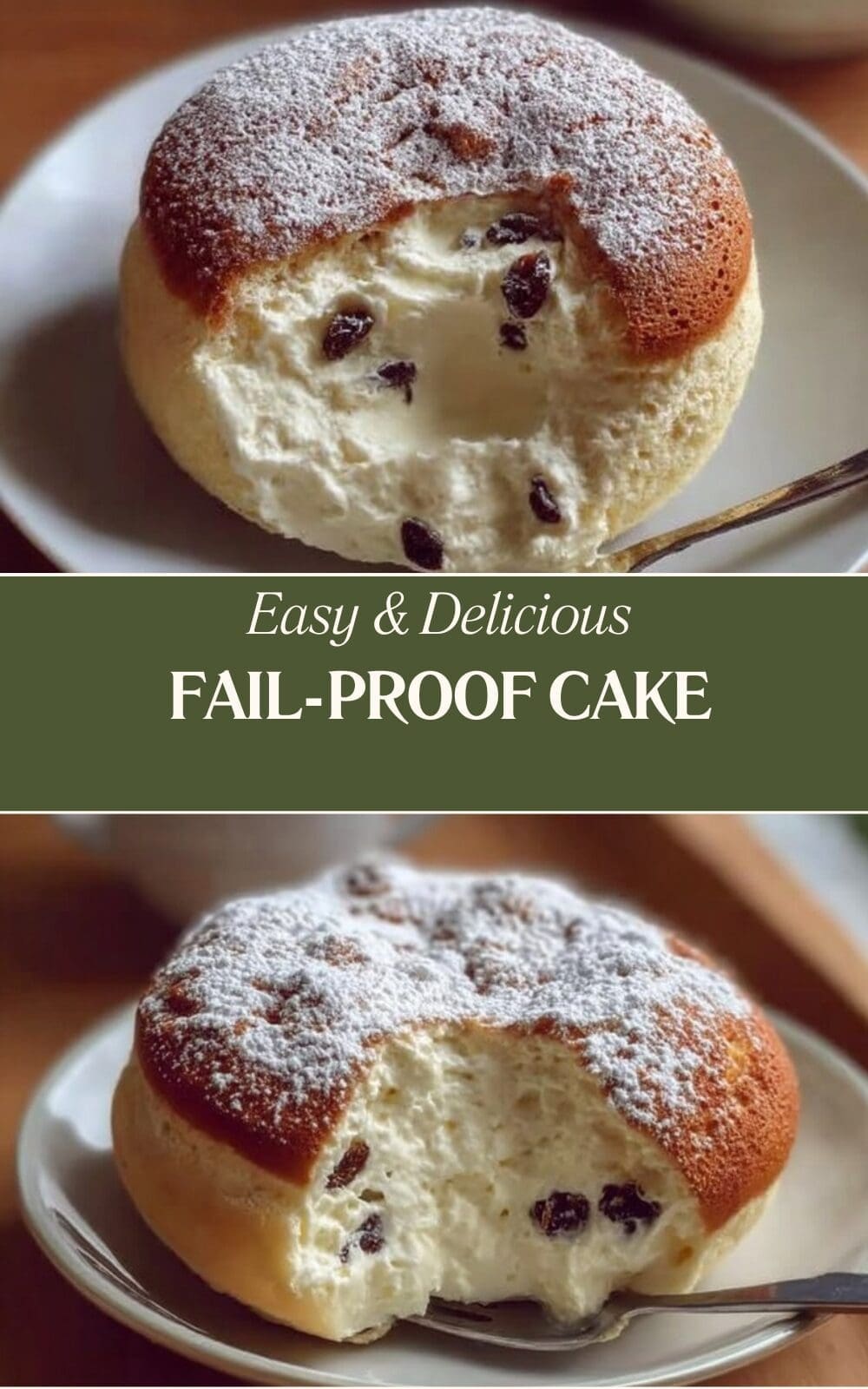
FAQs: Frequently Asked Questions About Fail-Proof Cake
Print
Fail-Proof Cake
🍰🥛 Vanilla cake stays moist 4 days thanks to hot milk butter infusion – fluffy light crumb defies drying for superior layer cakes.
✨ 50-min effortless bake yields 10 tall slices; fresh-tasting frosting seals humidity potluck winner.
- Total Time: 2 hours 50 minutes
- Yield: 10 servings
Ingredients
– 2 cups plain or all-purpose flour
– 2 1/2 teaspoons baking powder
– 1/4 teaspoon cooking salt
– 4 large eggs at room temperature
– 1 1/2 cups caster or superfine sugar
– 115 grams unsalted butter
– 1 cup full-fat milk
– 3 teaspoons vanilla extract
– 3 teaspoons vegetable or canola oil
– 225 grams unsalted butter
– 500 grams sifted soft icing sugar
– 3 teaspoons vanilla extract
– 2 to 4 tablespoons milk
Instructions
1-First step: Prepare the pans and dry ingredients Start by whisking together the flour, baking powder, and salt in a bowl. This helps spread the baking powder evenly through the batter, which matters for a good rise. Set the bowl aside and make sure your pans are ready before you move to the eggs. Once the egg mixture is whipped, the batter comes together quickly, so you do not want to stop halfway through to search for anything.
2-Second step: Whip the eggs and sugar Place the 4 room-temperature eggs in a large mixing bowl and beat them for 30 seconds. Then add the 1 1/2 cups caster or superfine sugar over about 45 seconds while continuing to beat. Keep mixing for a full 7 minutes until the mixture is thick, pale, and tripled in volume. This is one of the most important parts of the recipe because the air you build here gives the cake its light texture.
3-Third step: Heat the milk, butter, and oil In a small saucepan, heat the 1 cup full-fat milk with the 115 grams unsalted butter until the butter melts and the mixture is hot. Stir in the 3 teaspoons vegetable or canola oil and keep the mixture warm. It should be hot when it is added to the batter, but not boiling over. This warm liquid helps create a smoother, softer cake crumb.
4-Fourth step: Fold in the flour mixture Gently add the dry ingredients to the whipped egg mixture in three parts. Use a spatula and fold carefully so you do not knock out too much air. This part is about patience, not speed. If you stir too hard, the cake can lose some of the lift you worked so hard to create in the first step.
5-Fifth step: Temper the batter with the hot milk mixture Take a small scoop of the batter and mix it with the hot milk and butter mixture in a separate bowl. Then pour that mixture back into the main batter and fold it through gently. This technique helps the warm liquid blend smoothly without shocking the whipped eggs. Stir just until the batter looks even and silky.
6-Sixth step: Fill the pans and bake Divide the batter evenly between the two prepared pans. Tap the pans lightly on the counter to knock out any big air bubbles. Bake at 180°C/350°F for about 30 minutes, or until the cakes spring back when touched lightly in the center. The tops should look golden and the kitchen should smell like vanilla and butter.
7-Seventh step: Cool and frost Let the cakes cool in the pans for a short time, then turn them out and cool them upside down on a rack. Cooling upside down helps keep the layers level, which makes frosting much easier later. Wait until the cakes are fully cool before spreading on the vanilla buttercream. If the cakes are even a little warm, the frosting may slide.
8-Quick vanilla buttercream method: Beat the 225 grams unsalted butter until smooth, then add the 500 grams sifted soft icing sugar little by little. Mix in the 3 teaspoons vanilla extract and add 2 to 4 tablespoons milk as needed until the frosting is soft enough to spread. Use more milk for a looser texture or less for a firmer finish.
Notes
🥚 Room-temp eggs aerate max fluff.
🔥 Fresh baking powder rise guaranteed.
❄️ Cool upside down flat tops; wrap store moist 4 days.
- Prep Time: 20 minutes
- Cool: 2 hours
- Cook Time: 30 minutes
- Category: Dessert
- Method: Bake
- Cuisine: American
- Diet: Vegetarian
Nutrition
- Serving Size: 1 slice
- Calories: 339
- Sugar: 31g
- Sodium: 97mg
- Fat: 13g
- Saturated Fat: 7g
- Unsaturated Fat: 6g
- Trans Fat: 0g
- Carbohydrates: 51g
- Fiber: 1g
- Protein: 6g
- Cholesterol: 91mg


