

Why You’ll Love This Gingerbread Loaf
By Camille Hayes
My blog shares my passion for cooking by offering a variety of recipes that are simple and accessible to everyone. My ambition is to inspire readers to cook with joy and create memorable moments around the table. This spiced Gingerbread Loaf is a cozy, reliable bake that fits busy schedules and ordinary afternoons alike.
For a quick read on ginger health benefits that pair nicely with this recipe, see + $(‘AI Agent’).item.json.output.Anchor1 +.
- Ease of preparation: This Gingerbread Loaf comes together in about 15 minutes of prep time and bakes in roughly an hour, making it a fast, fuss-free choice when you want homemade baked comfort without spending all morning in the kitchen. The batter mixes in one bowl and needs only a sturdy loaf pan.
- Health and pantry-friendly: With pantry staples like all-purpose flour, molasses, spices, and butter, this gingerbread loaf is straightforward and flexible. Molasses adds iron and minerals compared to refined syrups, while spices like ginger and cinnamon provide warming antioxidants.
- Versatility: The base Gingerbread Loaf adapts easily for muffins, cupcakes, or a loaf flavored with dried fruit or nuts. Make a dairy-free or gluten-free swap to match dietary needs and still get great texture and spice.
- Distinctive flavor: A mix of ground ginger, cinnamon, cloves, and a hint of freshly ground black pepper gives the loaf a warm, layered spice profile. Molasses and dark brown sugar bring a deep, caramel-like richness that sets this loaf apart from simple spice breads.
Small touches matter: the black pepper is subtle but helps round the flavors, and a light orange icing adds a bright contrast to the rich, spiced crumb.
Jump To
- 1. Why You’ll Love This Gingerbread Loaf
- 2. Essential Ingredients for Gingerbread Loaf
- 3. How to Prepare the Perfect Gingerbread Loaf: Step-by-Step Guide
- 4. Dietary Substitutions to Customize Your Gingerbread Loaf
- 5. Mastering Gingerbread Loaf: Advanced Tips and Variations
- 6. How to Store Gingerbread Loaf: Best Practices
- 7. FAQs: Frequently Asked Questions About Gingerbread Loaf
- 8. Gingerbread Loaf
Essential Ingredients for Gingerbread Loaf
Below is a clear, structured list of all ingredients used in this Gingerbread Loaf recipe, with quantities and short notes on each item’s role.
- 2 cups all-purpose flour – provides structure and body for the loaf.
- 1 teaspoon baking soda – leavening agent that helps the loaf rise and creates a tender crumb.
- 1 and 1/2 teaspoons ground ginger – primary spice for classic gingerbread flavor.
- 1 and 1/2 teaspoons ground cinnamon – adds warmth and balances the ginger.
- 1/4 teaspoon ground cloves – concentrated spice for depth in small amounts.
- 1/4 teaspoon salt – enhances overall flavor and balances sweetness.
- 1/8 teaspoon freshly ground black pepper – tiny addition to deepen the spice profile without heat.
- 2/3 cup unsulphured or dark molasses (avoid blackstrap) – provides moisture, color, and rich molasses flavor; use dark or unsulphured for best results.
- 3/4 cup hot water (about 100°F / 38°C) – dissolves and loosens the molasses so it blends smoothly into the batter.
- 1/2 cup unsalted butter, softened – for tenderness and flavor; room temperature butter creams with sugar to trap air.
- 1/3 cup packed light or dark brown sugar (dark preferred) – adds sweetness and extra molasses notes; dark brown sugar gives richer flavor.
- 1 large egg, at room temperature – binds ingredients and adds structure and richness.
- 1 teaspoon pure vanilla extract – rounds flavors and adds a sweet, aromatic note.
Optional Orange Icing
- 1 cup confectioners’ sugar, sifted – creates a smooth, sweet icing base.
- 2 to 3 tablespoons orange juice – thins the icing and adds bright citrus flavor; add gradually to reach desired consistency.
Special Dietary Options
- Vegan: Replace butter with 1/2 cup plant-based margarine or coconut oil (softened) and swap the egg for a flax egg (1 tablespoon ground flaxseed mixed with 3 tablespoons water, set 5 minutes). Use a plant-based milk if needed when adjusting texture.
- Gluten-free: Use a 1-to-1 gluten-free baking flour blend that contains xanthan gum. Measure carefully and avoid overmixing to keep the crumb tender.
- Low-calorie: Try reducing the brown sugar by up to 25 percent and use a light butter substitute or a mix of applesauce and butter (half and half) to lower fat while keeping moisture.
| Yield | Prep Time | Cook Time | Total Time |
|---|---|---|---|
| 1 loaf (8×4 or 9×5 pan) | 15 minutes | 60 minutes | 1 hour and 10 minutes |
Tip: Use dark molasses (not blackstrap) for a full molasses flavor without bitterness; it really makes the loaf sing.
How to Prepare the Perfect Gingerbread Loaf: Step-by-Step Guide
First Step: Prep and mise en place
Preheat your oven to 350°F (177°C). Grease an 8×4-inch or 9×5-inch loaf pan well with butter or nonstick spray, and line the bottom with parchment if you prefer an easier release. Gather all ingredients and measure them exactly: sifted flour is not required here but whisking the dry ingredients helps distribute the spices evenly. Room temperature egg and softened butter will mix more smoothly, so set them out a few minutes ahead if needed.
Second Step: Combine dry spices and flour
In a medium bowl, whisk together 2 cups all-purpose flour, 1 teaspoon baking soda, 1 and 1/2 teaspoons ground ginger, 1 and 1/2 teaspoons ground cinnamon, 1/4 teaspoon ground cloves, 1/4 teaspoon salt, and 1/8 teaspoon freshly ground black pepper. Whisking keeps the spices and baking soda evenly dispersed so every slice has balanced flavor and rise.
Third Step: Mix the molasses solution
In a separate container, whisk 2/3 cup unsulphured or dark molasses with 3/4 cup hot water (about 100°F / 38°C) until combined. The hot water helps the molasses loosen and blend into the batter without clumping. Remember: avoid blackstrap molasses because it can taste too bitter for this loaf.
Fourth Step: Cream butter and sugar
Using a stand mixer or hand mixer, beat 1/2 cup unsalted butter (softened) with 1/3 cup packed light or dark brown sugar for about 3 minutes until pale and slightly fluffy. Properly softened butter creams smoothly with sugar, trapping a little air for tenderness. Add 1 large room-temperature egg and 1 teaspoon pure vanilla extract, then beat until combined.
Fifth Step: Combine wet and dry ingredients
On low speed, alternately add the dry ingredients and the molasses mixture to the butter-sugar-egg mixture in three additions, beginning and ending with the dry ingredients. Mix only until incorporated after each addition – overmixing develops gluten and can make the loaf tough. The batter will be slightly thin; that’s expected and helps the loaf bake with a moist crumb.
Sixth Step: Bake
Pour the batter into the prepared pan and smooth the top. Bake at 350°F (177°C) for 50 to 60 minutes in a larger pan, or 55 to 65 minutes for a smaller loaf pan. Start checking at the lower end of the time range to avoid overbaking. A toothpick inserted in the center should come out with a few moist crumbs but no wet batter.
Seventh Step: Cool and remove
Cool the loaf in the pan on a rack for 1 hour. Cooling in the pan helps the loaf settle and prevents it from breaking when removed. After 1 hour, invert the pan or lift the parchment to remove the loaf and cool completely on the rack.
Final Step: Icing and serving
For the optional orange icing, whisk 1 cup confectioners’ sugar (sifted) with 2 to 3 tablespoons orange juice until smooth and drizzly. Adjust the juice for consistency. Drizzle lightly over the cooled loaf and let set before slicing. If you prefer, substitute a vanilla glaze or spiced cream cheese frosting for a richer finish.
Notes on adaptations while following steps:
- If making muffins, follow all mixing instructions but bake in a lined muffin tin at 350°F (177°C) for 20 to 22 minutes; this yields about 10 to 12 muffins.
- To make the recipe vegan, use a flax egg and plant-based butter as noted in the ingredients section. Baking time may vary slightly for muffins versus loaf pans.
- Watch ovens closely – pan size and oven temperature accuracy affect bake time. A reliable oven thermometer helps match specified temperatures.

Dietary Substitutions to Customize Your Gingerbread Loaf
Protein and Main Component Alternatives
If you need to replace the egg or butter, here are a few tested swaps that maintain texture and flavor.
- Egg alternatives: Use a flax egg (1 tablespoon ground flaxseed + 3 tablespoons water, set 5 minutes) for a vegan option, or use a commercial egg replacer following package directions. A mashed banana or 1/4 cup applesauce can also work in a pinch, though they will slightly change the flavor and color.
- Butter substitutes: Replace 1/2 cup unsalted butter with an equivalent amount of solid coconut oil or vegan margarine for dairy-free baking. If using coconut oil, expect a slight coconut aroma unless you use refined coconut oil.
- Sugar swaps: To reduce refined sugar, use a lighter hand with brown sugar or try coconut sugar as a 1:1 substitute. Note that texture and moisture can shift slightly when changing sugars.
Vegetable, Sauce, and Seasoning Modifications
Adjust spices and add-ins for seasonal variations or dietary preferences.
- Extra spice: Add 1/4 teaspoon ground cardamom or 1/2 teaspoon ground nutmeg for a festive twist. Cardamom pairs beautifully with molasses and ginger.
- Fruits and nuts: Fold in 1/2 cup raisins soaked in spiced rum or warm water for moist pockets of fruit, or 1/2 cup chopped toasted pecans for crunch. Both make excellent additions if not serving to those with nut allergies.
- Gluten-free option: Use a measured 1-to-1 gluten-free flour blend with xanthan gum. Because gluten-free flours absorb liquid differently, the batter may be slightly looser or thicker; adjust hot water by a tablespoon or two if needed.
These swaps keep the spirit of the Gingerbread Loaf while offering flexibility for different diets and tastes. Keep notes when you change ingredients so you can replicate a favorite version later.
Mastering Gingerbread Loaf: Advanced Tips and Variations
Pro cooking techniques
- Use an oven thermometer to validate your oven’s true temperature. Many home ovens run hot or cold by 10 to 25 degrees, which affects rise and doneness.
- For a moister crumb, do not overbake. Start checking for doneness at the lower end of the time range and use the toothpick-with-crumbs test rather than waiting for it to come out perfectly clean.
- Allow the loaf to rest in the pan for at least 1 hour before removing. This helps the structure set and prevents breakage.
Flavor variations
- Rum-soaked raisins: Soak 1/2 cup raisins in 2 tablespoons spiced rum for 30 minutes, drain, and fold into batter for a boozy holiday twist.
- Cardamom boost: Add 1/4 teaspoon ground cardamom to the spice mix for floral notes that pair well with orange icing.
- Spiced cream cheese topping: Swap the orange icing for a spiced cream cheese frosting for a richer finish: beat 4 ounces cream cheese with 1/2 cup confectioners’ sugar and a pinch of cinnamon.
Presentation tips
- Slice with a serrated knife using a gentle sawing motion to keep slices neat.
- For a festive platter, dust with a light sift of confectioners’ sugar and garnish with thin orange zest strips.
- Serve warm with a smear of softened butter, a dollop of yogurt, or a scoop of vanilla ice cream for dessert.
Make-ahead options
- Bake the loaf, cool completely, wrap tightly in plastic wrap and foil, then refrigerate for up to 5 days. Flavors deepen after a day or two.
- Freeze individual slices for quick breakfasts. Wrap slices well and store in a freezer bag for up to 2 months. Thaw overnight in the refrigerator.
Pair the Gingerbread Loaf with cozy desserts like a pumpkin cheesecake for a full holiday spread; try this pumpkin cheesecake recipe for a show-stopping pairing. For an easy cookie companion, these brown butter oatmeal chocolate chip cookies are a nice match brown butter oatmeal chocolate chip cookies.
How to Store Gingerbread Loaf: Best Practices
Refrigeration
Wrap the leftover loaf tightly in plastic wrap or foil, then place it in an airtight container. Store at room temperature for up to 2 days or refrigerate for up to 5 days. Iced loaves should be stored uncovered in the fridge until the glaze sets, then covered to prevent drying.
Freezing
Freeze the loaf for up to 2 months. Cool completely before wrapping in plastic wrap and foil or placing in a freezer bag. Label with the date. For convenience, slice before freezing so you can thaw single portions quickly.
Reheating
Thaw overnight in the refrigerator or at room temperature for a few hours. Warm slices for 10 to 15 seconds in the microwave or for 5 to 7 minutes in a 325°F oven to refresh the crumb. Add icing after thawing for the best texture.
Meal prep considerations
This loaf is great for batch baking. Make multiple loaves or muffins, freeze, and reheat portions for weekday breakfasts or school lunches. The spices help the bread keep its flavor even after freezing.
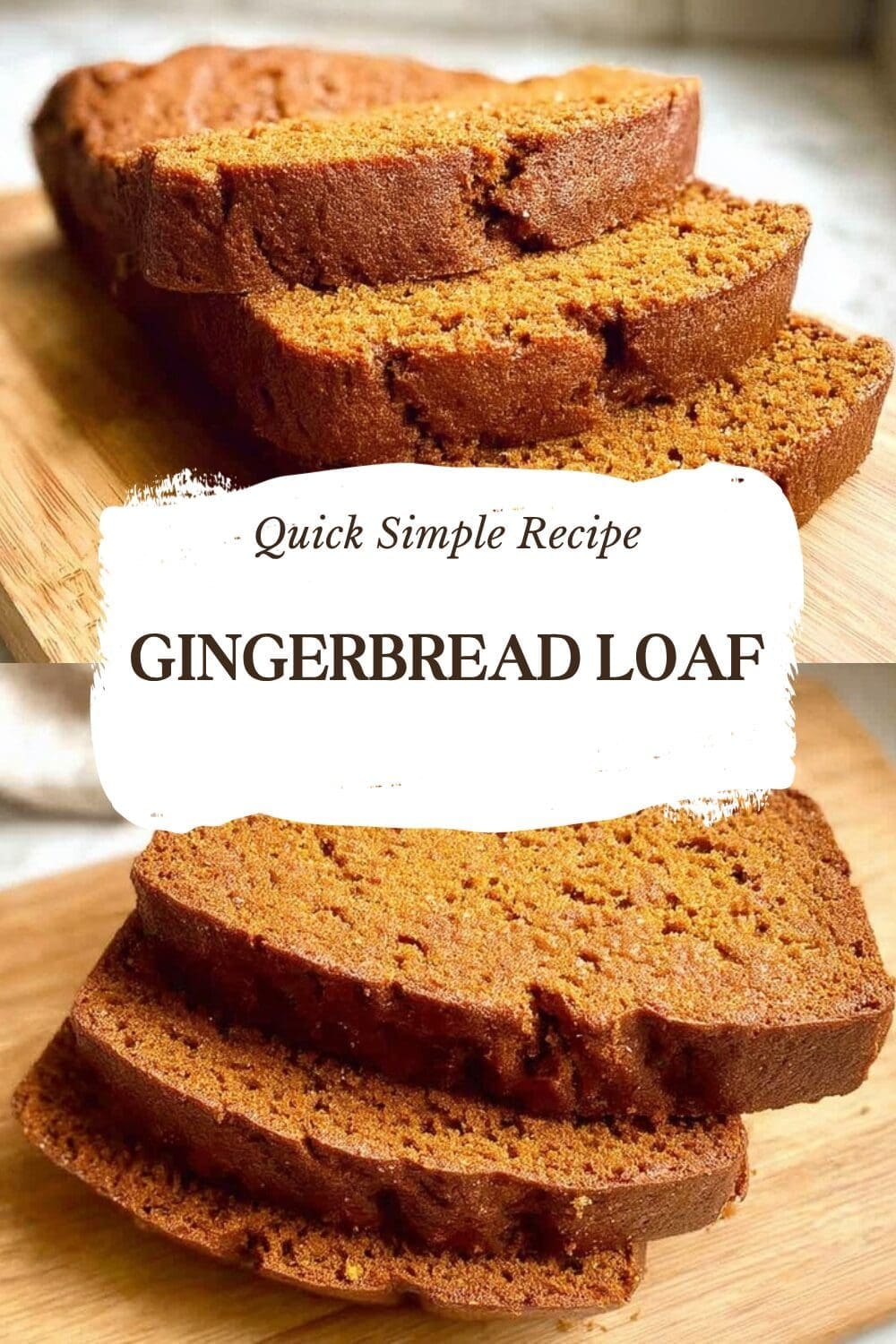
FAQs: Frequently Asked Questions About Gingerbread Loaf
What kind of molasses is best for gingerbread loaf recipe?
For the best flavor in gingerbread loaf, choose unsulphured dark molasses labeled “robust” or “full flavor.” This gives a rich, balanced taste without bitterness. Skip blackstrap molasses, as it’s too intense and can overpower the spices. If you prefer milder notes, opt for “light” or “mild” molasses. There’s no perfect substitute, but treacle works closely. Alternatively, mix equal parts golden syrup or honey with treacle. Always check labels for unsulphured varieties to avoid a chemical aftertaste. Using the right molasses ensures moist, flavorful results—start with 1/2 cup in most recipes and adjust based on taste tests. (92 words)
Can I skip black pepper in gingerbread loaf?
Yes, you can omit black pepper from your gingerbread loaf recipe. It’s added for a subtle depth to the spice profile, enhancing warmth alongside ginger and cinnamon, but it’s optional and won’t ruin the bake. Without it, the loaf still delivers classic holiday flavors. If you’re sensitive to pepper or cooking for kids, leave it out entirely. For a similar kick, increase ground ginger by 1/4 teaspoon. Test a small batch first. This tweak keeps the recipe flexible for all preferences while maintaining tenderness and moisture from molasses and buttermilk. (98 words)
Can I bake gingerbread loaf batter as muffins?
Absolutely, repurpose gingerbread loaf batter for muffins or cupcakes. Line a standard muffin tin with paper liners and fill each 2/3 full. Bake at 350°F (175°C) for 20-22 minutes, until a toothpick inserted in the center comes out clean. This yields 10-12 muffins. Cool in the tin for 5 minutes, then transfer to a wire rack. They’re perfect for quick breakfasts or gifts—top with cream cheese frosting or a simple glaze. Muffins freeze well too, making them ideal for batch baking during holidays. No other adjustments needed for great results. (102 words)
How do I store gingerbread loaf after baking?
Store leftover gingerbread loaf by wrapping it tightly in plastic wrap or foil, then placing it in an airtight container. Keep it at room temperature for up to 2 days, or refrigerate for up to 5 days. The flavors actually deepen after a day or two, as spices meld. For best texture, bring to room temperature before serving. Avoid loose covering to prevent drying out. If iced, store uncovered in the fridge to set the glaze, then cover. This method preserves moisture from molasses and keeps it fresh without sogginess. Discard if mold appears. (104 words)
Can you freeze gingerbread loaf and how?
Yes, freeze gingerbread loaf easily for up to 2-3 months. Cool completely, then wrap individual slices or the whole loaf tightly in plastic wrap followed by aluminum foil or a freezer bag to prevent freezer burn. Label with the date. Thaw overnight in the refrigerator, or at room temperature for a few hours. Add icing or glaze after thawing for freshness. Freezing works best without topping—iced loaves can weep moisture. This is perfect for holiday prep; baked loaves retain spice and moist crumb remarkably well post-thaw. Slice before freezing for grab-and-go portions. (101 words)

Gingerbread Loaf
🎄 Perfect holiday treat with warm spices that fills your home with amazing aroma while baking
🍪 Moist and flavorful gingerbread loaf that gets even better the next day, making it ideal for make-ahead entertaining
- Total Time: 1 hour and 10 minutes
- Yield: 1 loaf (8-10 servings) 1x
Ingredients
2 cups all-purpose flour for structure and body
1 teaspoon baking soda for leavening
1 and 1/2 teaspoons ground ginger for classic gingerbread flavor
1 and 1/2 teaspoons ground cinnamon for balancing ginger
1/4 teaspoon ground cloves for depth
1/4 teaspoon salt for flavor enhancement
1/8 teaspoon freshly ground black pepper for deepening spice profile
2/3 cup unsulphured or dark molasses for moisture, color, and flavor
3/4 cup hot water for dissolving molasses
1/2 cup unsalted butter for tenderness and flavor
1/3 cup packed light or dark brown sugar for sweetness and molasses notes
1 large egg for binding and structure
1 teaspoon pure vanilla extract for flavor enhancement
1 cup confectioners’ sugar for icing base
2 to 3 tablespoons orange juice for thinning icing and citrus flavor
Instructions
1-First Step: Prep and mise en place Preheat your oven to 350°F (177°C). Grease an 8×4-inch or 9×5-inch loaf pan well with butter or nonstick spray, and line the bottom with parchment if you prefer an easier release. Gather all ingredients and measure them exactly: sifted flour is not required here but whisking the dry ingredients helps distribute the spices evenly. Room temperature egg and softened butter will mix more smoothly, so set them out a few minutes ahead if needed.
2-Second Step: Combine dry spices and flour In a medium bowl, whisk together 2 cups all-purpose flour, 1 teaspoon baking soda, 1 and 1/2 teaspoons ground ginger, 1 and 1/2 teaspoons ground cinnamon, 1/4 teaspoon ground cloves, 1/4 teaspoon salt, and 1/8 teaspoon freshly ground black pepper. Whisking keeps the spices and baking soda evenly dispersed so every slice has balanced flavor and rise.
3-Third Step: Mix the molasses solution In a separate container, whisk 2/3 cup unsulphured or dark molasses with 3/4 cup hot water (about 100°F / 38°C) until combined. The hot water helps the molasses loosen and blend into the batter without clumping. Remember: avoid blackstrap molasses because it can taste too bitter for this loaf.
4-Fourth Step: Cream butter and sugar Using a stand mixer or hand mixer, beat 1/2 cup unsalted butter (softened) with 1/3 cup packed light or dark brown sugar for about 3 minutes until pale and slightly fluffy. Properly softened butter creams smoothly with sugar, trapping a little air for tenderness. Add 1 large room-temperature egg and 1 teaspoon pure vanilla extract, then beat until combined.
5-Fifth Step: Combine wet and dry ingredients On low speed, alternately add the dry ingredients and the molasses mixture to the butter-sugar-egg mixture in three additions, beginning and ending with the dry ingredients. Mix only until incorporated after each addition – overmixing develops gluten and can make the loaf tough. The batter will be slightly thin; that’s expected and helps the loaf bake with a moist crumb.
6-Sixth Step: Bake Pour the batter into the prepared pan and smooth the top. Bake at 350°F (177°C) for 50 to 60 minutes in a larger pan, or 55 to 65 minutes for a smaller loaf pan. Start checking at the lower end of the time range to avoid overbaking. A toothpick inserted in the center should come out with a few moist crumbs but no wet batter.
7-Seventh Step: Cool and remove Cool the loaf in the pan on a rack for 1 hour. Cooling in the pan helps the loaf settle and prevents it from breaking when removed. After 1 hour, invert the pan or lift the parchment to remove the loaf and cool completely on the rack.
8-Final Step: Icing and serving For the optional orange icing, whisk 1 cup confectioners’ sugar (sifted) with 2 to 3 tablespoons orange juice until smooth and drizzly. Adjust the juice for consistency. Drizzle lightly over the cooled loaf and let set before slicing. If you prefer, substitute a vanilla glaze or spiced cream cheese frosting for a richer finish.
Notes
🍯 Use dark (robust) molasses, not blackstrap, for best flavor without bitterness
🧈 Make sure butter is properly softened for smooth creaming and better texture
⏰ Avoid overbaking; start checking for doneness at the lower time range to prevent dry loaf
- Prep Time: 15 minutes
- Cook Time: 60 minutes
- Category: Dessert
- Method: Baked
- Cuisine: American
Nutrition
- Serving Size: 1 slice
- Calories: 245
- Sugar: 28
- Sodium: 185
- Fat: 8
- Saturated Fat: 5
- Unsaturated Fat: 2
- Trans Fat: 0
- Carbohydrates: 42
- Fiber: 1
- Protein: 2
- Cholesterol: 35


