

Why You’ll Love This Oatmeal Cookies
Author: Camille Hayes
My blog shares my passion for cooking by offering a variety of recipes that are simple and accessible to everyone. My ambition is to inspire readers to explore new flavors, cook with joy, and create memorable moments around the table.
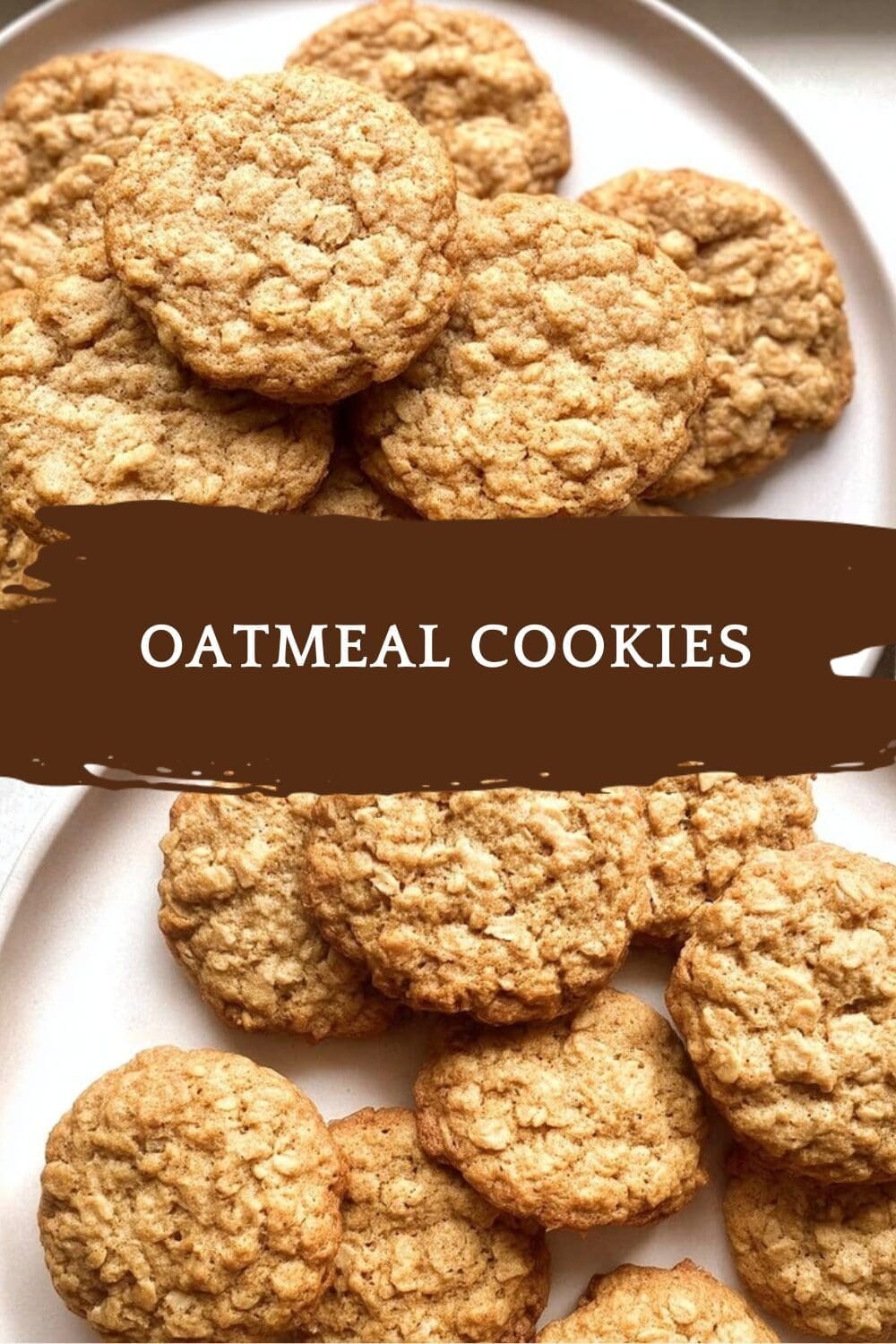
Oatmeal Cookies are a go-to treat for busy days, special occasions, and everything in between. They bake quickly, please a crowd, and are easy to adapt to different diets and tastes. Below are four main reasons this recipe should be on your weekly rotation.
- Ease of preparation: This recipe uses common pantry ingredients and takes about 25 minutes from start to finish. Prep time is just 5 minutes and cook time is about 10 minutes, so you can have warm cookies in under half an hour.
- Health benefits: Old-fashioned oats add whole-grain fiber and longer-lasting energy compared to many other cookies. With moderate portion sizes (nutrition included), these cookies make a reasonable snack for schools, work, or after workouts. For more on oat benefits, see + $(‘AI Agent’).item.json.output.Anchor1 +.
- Versatility: Mix-ins let you customize flavor and texture. Swap chocolate chips for dried fruit, nuts, or cinnamon chips to match dietary needs or mood. The base works with simple swaps to fit vegan or gluten-free needs.
- Distinctive flavor: The cinnamon and browned butter options give a warm, toasty note while brown sugar keeps them soft and chewy. These cookies have a classic, comforting taste that feels homemade in every bite.
These cookies come out perfectly soft with just the right amount of chewiness, so use a cookie scoop to portion the dough evenly and don’t rush the cooling time your patience will pay off with every bite.
Jump To
- 1. Why You’ll Love This Oatmeal Cookies
- 2. Essential Ingredients for Oatmeal Cookies
- 3. How to Prepare the Perfect Oatmeal Cookies: Step-by-Step Guide
- 4. Dietary Substitutions to Customize Your Oatmeal Cookies
- 5. Mastering Oatmeal Cookies: Advanced Tips and Variations
- 6. How to Store Oatmeal Cookies: Best Practices
- 7. Nutrition Facts and Cooking Times
- 8. FAQs: Frequently Asked Questions About Oatmeal Cookies
- 9. Oatmeal Cookies
Essential Ingredients for Oatmeal Cookies
Below is a structured ingredients list with quantities and short notes on each item. Each ingredient is listed on its own line with the measurement first to make shopping and prep simple.
- 1 cup all-purpose flour – provides structure and body to the cookie dough.
- 1/2 teaspoon baking soda – helps cookies spread and gives light lift.
- 1/4 teaspoon baking powder – adds a touch more lift for soft cookies.
- 1/2 teaspoon salt – balances sweetness and enhances flavor.
- 1/2 teaspoon cinnamon – adds warm spice and aroma.
- 1/2 cup salted butter, softened – provides richness and tenderness; can substitute unsalted butter or coconut oil as noted below.
- 1/2 cup granulated sugar – helps with spread and light crisp edges.
- 1/2 cup light brown sugar, packed – adds moisture and chew thanks to molasses content.
- 1 large egg – binds the dough and adds tenderness.
- 1 teaspoon vanilla extract – boosts overall flavor and aroma.
- 1 1/2 cups old-fashioned oatmeal – gives chew and whole-grain texture; quick oats may be substituted for a softer cookie.
- 1 cup mix-ins such as chocolate chips, raisins, cinnamon chips, white chocolate chips, nuts, or dried fruits – customize for flavor and texture.
Special Dietary Options
- Vegan: Use 1/2 cup coconut oil or vegan butter instead of salted butter and replace the egg with a flax egg (1 tablespoon ground flax + 3 tablespoons water, set 5 minutes) and use vegan chocolate or fruit mix-ins.
- Gluten-free: Use a 1-to-1 gluten-free flour blend and certified gluten-free old-fashioned oats to make this recipe safe for gluten-sensitive diets.
- Low-calorie: Reduce sugar slightly, swap half the butter for unsweetened applesauce (results will be softer), and choose lower-calorie mix-ins like dried fruit in moderation or chopped nuts for protein.
How to Prepare the Perfect Oatmeal Cookies: Step-by-Step Guide
Follow these steps in order for soft, chewy cookies with consistent results. Timings and temperatures are included where relevant.
First Step: Preheat and measure
Preheat oven to 375°F (190°C). Line two large baking sheets with parchment paper or silicone baking mats. Accurate measuring matters: use the scoop-and-level method for flour or a kitchen scale for best results.
Second Step: Combine dry ingredients
In a small bowl, combine the dry ingredients: flour, baking soda, baking powder, salt, and cinnamon. Whisk them together until evenly mixed and set aside.
Third Step: Cream butter and sugars
In a mixing bowl, beat the softened salted butter, granulated sugar, and light brown sugar until light and fluffy, about 1 minute. The creaming creates tiny air pockets that help texture, so don’t skip this step.
Fourth Step: Add egg and vanilla
Add the large egg and 1 teaspoon vanilla extract to the creamed mixture. Beat on medium-high speed for 1 minute until the mixture is light and tripled in shine. This helps the dough hold together and bake evenly.
Fifth Step: Mix dry into wet
Add the dry ingredient mixture to the wet ingredients and beat on medium speed until just combined. Avoid overmixing; stir until flour streaks disappear to prevent tough cookies.
Sixth Step: Stir in oats and mix-ins
Stir in 1 1/2 cups old-fashioned oatmeal by hand or on low speed. Fold in 1 cup of your chosen mix-ins (chocolate chips, raisins, nuts, or dried fruits) until evenly distributed. This keeps oats intact and gives even texture.
Seventh Step: Portion the dough
Use a 1 1/2 to 2 tablespoon scoop to portion dough. Roll each portion into a ball and place on prepared baking sheets about 1 1/2 inches apart. Gently press the tops down slightly if you prefer thinner cookies; leave them rounded for puffier cookies.
Eighth Step: Bake
Bake for 8-10 minutes until tops are just set and edges are lightly browned. Oven temperatures vary; watch closely during the last 2 minutes. The cookies will finish baking on the hot sheet after you remove them.
Ninth Step: Cool and finish
Let cookies rest on the baking sheet for 5 minutes so they set up, then transfer to a wire rack to cool completely. This short resting time prevents them from breaking and helps attain that chewy center.
Timing and temperature tips
- Oven temperature: 375°F (190°C) gives slightly crisper edges and soft centers. If you prefer a chewier cookie, reduce oven to 350°F and add 1-2 minutes of bake time while monitoring closely.
- Bake time: 8-10 minutes depending on size smaller scoops are closer to 8 minutes, larger scoops toward 10 minutes.
- Chilling: If your kitchen is warm, chill dough 30 minutes to 1 hour to reduce spreading and deepen flavor.
Recipe Directions (concise)
- Preheat oven to 375°F (190°C). Line two large baking sheets with parchment paper or silicone mats.
- Combine flour, baking soda, baking powder, salt, and cinnamon in a small bowl; set aside.
- Beat softened butter, granulated sugar, and light brown sugar until light and fluffy, about 1 minute.
- Add egg and vanilla extract; beat on medium-high speed for 1 minute until light and fluffy.
- Add dry ingredients; beat on medium speed until just combined.
- Stir in oatmeal and fold in mix-ins as desired.
- Portion with a 1 1/2 to 2 tablespoon scoop, roll into balls, and place 1 1/2 inches apart on baking sheets.
- Gently press tops down slightly if desired. Bake 8-10 minutes until tops are just set and edges lightly browned.
- Let rest on baking sheet 5 minutes, then transfer to a wire rack to cool.

Dietary Substitutions to Customize Your Oatmeal Cookies
Protein and Main Component Alternatives
These swaps help adapt the recipe while keeping a similar texture and flavor profile.
- Egg replacement: Use a flax egg (1 tablespoon ground flaxseed + 3 tablespoons water) for a vegan option. A commercial egg replacer can also work if used according to package directions.
- Butter alternatives: Swap salted butter for unsalted butter (add a pinch more salt) or use coconut oil for a dairy-free version. Brown butter adds flavor but change is optional.
- Flour swaps: Replace all-purpose flour with a 1-to-1 gluten-free blend for gluten-free cookies. If using whole wheat pastry flour, cookies will be slightly denser and nuttier.
- Oat options: Old-fashioned oats give the chewiest texture. Quick oats may be used but will produce a softer, less chewy cookie. For gluten-free needs, use certified gluten-free oats.
Vegetable, Sauce, and Seasoning Modifications
Cookies don’t usually include vegetables or sauces, but small additions and seasoning swaps can brighten flavor and add nutrition.
- Spices: Swap cinnamon for a mix of cinnamon and nutmeg, or add 1/4 teaspoon cardamom for a floral note. Use spices sparingly to keep balance.
- Mix-ins: Use dried fruits, nuts, seeds, or small chunks of candied ginger for variety. For extra moisture, fold in 1/4 cup unsweetened applesauce and reduce butter by 2 tablespoons.
- Sweeteners: Use dark brown sugar or coconut sugar for deeper flavor. Reduce sugar by 10-15% if you prefer a less-sweet cookie.
Mastering Oatmeal Cookies: Advanced Tips and Variations
Take these cookies from good to memorable with a few advanced methods and fun variations.
Pro cooking techniques
- Temperature control: Room-temperature butter creams better. If butter is too soft, chill dough briefly to prevent over-spread.
- Brown butter: Brown the butter for a nutty, caramel-like depth. Cool the brown butter until just warm before creaming with sugars to avoid melting the sugars.
- Minimal mixing: Stir wet and dry ingredients until just combined to prevent gluten overdevelopment and dry cookies.
- Even scooping: Use a cookie scoop for uniform size so all cookies bake evenly.
Flavor variations
- Classic chocolate chip: Use semi-sweet chips and a pinch more salt for contrast.
- Fruit and nut: Use raisins and chopped walnuts with a dash of cinnamon.
- White chocolate and macadamia: Swap mix-ins for white chocolate chips and chopped macadamia nuts.
- Pumpkin spice twist: Add 1/4 cup pumpkin purée, reduce butter by 2 tablespoons, and add 1/2 teaspoon pumpkin pie spice for a seasonal version.
Presentation tips
- Plate on a wooden board with small bowls of mix-ins so guests can customize.
- Warm cookies briefly and serve with a scoop of homemade ice cream for a simple dessert; see a great pairing idea at Homemade Mango Ice Cream.
Make-ahead options
- Freeze dough balls on a tray for up to 1 month. Bake from frozen, adding 1-2 minutes to the bake time.
- Bake ahead and freeze baked cookies up to 2 months in an airtight container. Thaw at room temperature or warm gently before serving.
For a similar cookie idea with an extra buttery twist, check the Brown Butter Oatmeal Chocolate Chip recipe: Brown Butter Oatmeal Chocolate Chip Cookies.
How to Store Oatmeal Cookies: Best Practices
Proper storage keeps cookies tasting fresh and preserves texture. Below are best practice methods for different storage needs.
Refrigeration
Short-term storage: Place cookies in an airtight container with a layer of parchment between layers to prevent sticking. Keep in the refrigerator up to 5 days for firmer cookies, or at room temperature for up to 3 days if you prefer softer texture.
Freezing
Long-term storage: Freeze baked cookies flat on a tray, then transfer to an airtight container or freezer bag. They freeze well up to 2 months. For dough, freeze scooped dough balls on a tray, then move to a bag for up to 1 month. Thaw dough balls in the refrigerator before baking or bake from frozen adding a couple minutes to the bake time.
Reheating
To revive texture, warm cookies in a 300°F oven for 5 minutes or microwave a single cookie for 10-12 seconds. Avoid overheating, which will dry them out. For a freshly baked feel, warm with a small pat of butter or serve with milk or ice cream.
Meal prep considerations
Plan batches and freeze dough in portioned scoops for baking fresh cookies on demand. Label containers with dates and mix-in notes. This approach saves time and gives you fresh-baked quality when needed.
Nutrition Facts and Cooking Times
| Item | Amount per cookie |
|---|---|
| Calories | 133 |
| Carbohydrates | 19g |
| Protein | 2g |
| Fat | 6g |
| Saturated Fat | 3g |
| Cholesterol | 23mg |
| Sodium | 151mg |
| Fiber | 1g |
| Sugar | 12g |
Prep time: 5 minutes | Cook time: 10 minutes | Total time: approximately 25 minutes
FAQs: Frequently Asked Questions About Oatmeal Cookies
Can I use quick oats instead of old fashioned oats in oatmeal cookies?
Yes, you can substitute quick oats for old fashioned oats in oatmeal cookies, but expect a difference in texture. Old fashioned (rolled) oats are whole-grain kernels rolled flat, giving cookies a chewier, heartier bite. Quick oats are cut smaller for faster cooking, resulting in softer, more uniform cookies. To adjust, reduce quick oats by about 2 tablespoons per cup to avoid dense results. Mix them in as directed, and bake at the recipe’s temperature for the same time. Test a small batch first. This swap works well if you prefer tender cookies, but for classic chewiness, stick to old fashioned oats. Always measure accurately with a scale for best results. (92 words)
What are the most common mistakes when making oatmeal cookies?
Common pitfalls include over-baking, using too much flour, and over-mixing. Pull cookies from the oven when tops look slightly gooey—the residual heat finishes baking for perfect chewiness. For flour, use the scoop-and-level method or a kitchen scale with metric measurements to prevent dry, cakey cookies. Mix wet and dry ingredients just until combined; excess stirring develops gluten, leading to toughness. Other issues: inaccurate oven temps (use a thermometer) or packed brown sugar, which makes cookies hard. Chill dough 30 minutes before baking to control spread. Follow these steps for soft, chewy results every time. (98 words)
How do you know when oatmeal cookies are done baking?
Oatmeal cookies are ready when the tops are just barely set, edges show slight cracking, and centers look gooey. They firm up as they cool on the baking sheet for 5-10 minutes before transferring to a rack. Baking time varies by oven and cookie size—typically 10-12 minutes at 350°F (175°C). Avoid over-baking for chewiness; under-baked is better since they continue cooking off-heat. Use an oven thermometer to verify temperature, as hot spots cause uneven results. Rotate sheets halfway if baking multiple trays. Golden edges signal doneness without dryness. Cool completely for storage. (96 words)
What makes oatmeal cookies chewy?
Chewy oatmeal cookies come from balancing butter, sugars, eggs, rolled oats, and baking technique. Brown sugar adds moisture and chew; use dark for deeper flavor. Butter at room temperature creams best with sugars for air pockets that hold shape. Eggs bind and tenderize. Old fashioned oats absorb liquid without sogginess, providing structure. Bake at moderate heat (350°F) briefly to set edges while keeping centers soft. Chill dough 30-60 minutes to prevent spreading. Under-bake slightly and cool on the sheet. Avoid over-mixing. These steps yield that signature pull-apart texture fans love. (94 words)
Can I double an oatmeal cookie recipe?
Yes, doubling works great for oatmeal cookies, yielding about 36 instead of 18. Multiply all ingredients exactly: flour, oats, sugars, butter, eggs, etc. Use a scale for precision to avoid measurement errors. Mix in a larger bowl—combine dries first, then wets separately before folding together gently. Divide dough evenly onto sheets, spacing 2 inches apart. Bake in batches at the same temp and time; ovens may run hotter with full loads, so check early. Chill extra dough or freeze scoops for later. Store baked doubles airtight for 5 days or freeze up to 3 months. Perfect for crowds. (102 words)

Oatmeal Cookies
🍪 Indulge in homemade oatmeal cookies that stay perfectly soft and chewy for days
🥛 Enjoy these comforting, fiber-rich treats that are easily customizable with your favorite mix-ins
- Total Time: 25 minutes
- Yield: 24 cookies 1x
Ingredients
1 cup all-purpose flour for structure and body to the cookie dough
1/2 teaspoon baking soda for helping cookies spread and giving light lift
1/4 teaspoon baking powder for adding a touch more lift for soft cookies
1/2 teaspoon salt for balancing sweetness and enhancing flavor
1/2 teaspoon cinnamon for adding warm spice and aroma
1/2 cup salted butter for richness and tenderness
1/2 cup granulated sugar for helping with spread and light crisp edges
1/2 cup light brown sugar for adding moisture and chew
1 large egg for binding the dough and adding tenderness
1 teaspoon vanilla extract for boosting overall flavor and aroma
1 1/2 cups old-fashioned oatmeal for chew and whole-grain texture
1 cup mix-ins such as chocolate chips, raisins, cinnamon chips, white chocolate chips, nuts, or dried fruits for flavor and texture
Instructions
1-First Step: Preheat and measure. Preheat oven to 375°F (190°C). Line two large baking sheets with parchment paper or silicone baking mats. Accurate measuring matters: use the scoop-and-level method for flour or a kitchen scale for best results.
2-Second Step: Combine dry ingredients. In a small bowl, combine the dry ingredients: flour, baking soda, baking powder, salt, and cinnamon. Whisk them together until evenly mixed and set aside.
3-Third Step: Cream butter and sugars. In a mixing bowl, beat the softened salted butter, granulated sugar, and light brown sugar until light and fluffy, about 1 minute. The creaming creates tiny air pockets that help texture, so don’t skip this step.
4-Fourth Step: Add egg and vanilla. Add the large egg and 1 teaspoon vanilla extract to the creamed mixture. Beat on medium-high speed for 1 minute until the mixture is light and tripled in shine. This helps the dough hold together and bake evenly.
5-Fifth Step: Mix dry into wet. Add the dry ingredient mixture to the wet ingredients and beat on medium speed until just combined. Avoid overmixing; stir until flour streaks disappear to prevent tough cookies.
6-Sixth Step: Stir in oats and mix-ins. Stir in 1 1/2 cups old-fashioned oatmeal by hand or on low speed. Fold in 1 cup of your chosen mix-ins (chocolate chips, raisins, nuts, or dried fruits) until evenly distributed. This keeps oats intact and gives even texture.
7-Seventh Step: Portion the dough. Use a 1 1/2 to 2 tablespoon scoop to portion dough. Roll each portion into a ball and place on prepared baking sheets about 1 1/2 inches apart. Gently press the tops down slightly if you prefer thinner cookies; leave them rounded for puffier cookies.
8-Eighth Step: Bake. Bake for 8-10 minutes until tops are just set and edges are lightly browned. Oven temperatures vary; watch closely during the last 2 minutes. The cookies will finish baking on the hot sheet after you remove them.
9-Ninth Step: Cool and finish. Let cookies rest on the baking sheet for 5 minutes so they set up, then transfer to a wire rack to cool completely. This short resting time prevents them from breaking and helps attain that chewy center.
Notes
🍯 Do not overbake—remove when edges are lightly browned and center still slightly soft for maximum chewiness
🧊 Cookie dough can be frozen in balls for up to 1 month, bake straight from frozen adding 1-2 minutes to bake time
🌾 Use old-fashioned oats for the best chewy texture – quick oats will result in less chewy cookies
- Prep Time: 5 minutes
- Cook Time: 10 minutes
- Category: Dessert
- Method: Baking
- Cuisine: American
- Diet: Vegetarian
Nutrition
- Serving Size: 1 cookie
- Calories: 133
- Sugar: 12
- Sodium: 151
- Fat: 6
- Saturated Fat: 3
- Unsaturated Fat: 2
- Trans Fat: 0
- Carbohydrates: 19
- Fiber: 1
- Protein: 2
- Cholesterol: 23


