

Why You’ll Love This Roasted Butternut Squash
Roasted Butternut Squash is one of those simple fall side dishes that feels like a hug on a plate. It’s easy to make, wholesome, and flexible enough to fit weeknight dinners, holiday spreads, and meal-prep plans. Whether you are a busy parent, a student cooking in a tiny kitchen, or someone watching calories, this roasted butternut squash recipe gives you great flavor with minimal fuss.
- Ease of preparation: Roasted Butternut Squash requires a few straightforward steps and about 10 minutes of active prep plus 30 to 35 minutes in the oven. Peel, cube, toss with olive oil and salt, then roast at 400°F until golden. It’s an approachable recipe for cooks of any level.
- Health benefits: This roasted butternut squash dish is nutrient-rich and low in calories. It provides fiber and a strong dose of vitamins A and C, making it a smart side for diet-conscious individuals and seniors looking for nutrient-dense choices.
- Versatility: Roasted Butternut Squash pairs with proteins, grains, soups, and salads. Use leftovers in pastas or grain bowls, or freeze cubes for later. It adapts easily for vegan, gluten-free, and low-calorie menus.
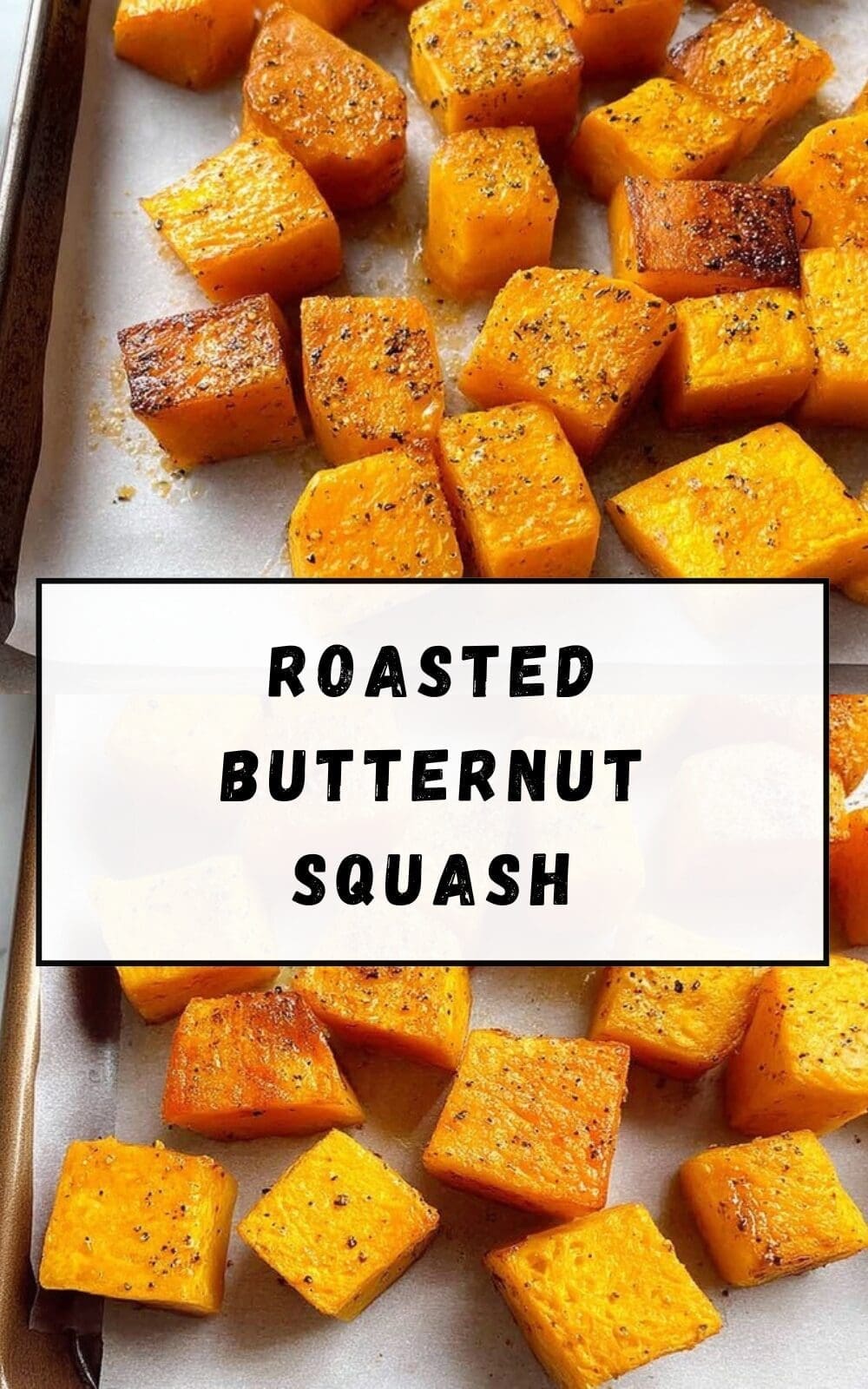
- Distinctive flavor: The natural sweetness caramelizes in the oven, giving tender centers and crisp, golden edges. A simple seasoning of sea salt and black pepper keeps the taste clean and bright while allowing add-on herbs like rosemary or thyme to shine.
Jump To
- 1. Why You’ll Love This Roasted Butternut Squash
- 2. Essential Ingredients for Roasted Butternut Squash
- 3. How to Prepare the Perfect Roasted Butternut Squash: Step-by-Step Guide
- 4. Dietary Substitutions to Customize Your Roasted Butternut Squash
- 5. Mastering Roasted Butternut Squash: Advanced Tips and Variations
- 6. How to Store Roasted Butternut Squash: Best Practices
- 7. FAQs: Frequently Asked Questions About Roasted Butternut Squash
- 8. Roasted Butternut Squash
Essential Ingredients for Roasted Butternut Squash
This section lists every ingredient you need for this roasted butternut squash recipe. Each item is shown on its own line with the quantity or use-statement first for clarity.
- 1 butternut squash, peeled, seeds removed, and cubed – the main ingredient; provides natural sweetness and texture
- For drizzling: Olive oil – helps with browning and prevents sticking
- Generous pinches: Sea salt and freshly ground black pepper – basic seasoning to bring out the squash’s flavor
- Optional: Chopped fresh parsley for garnish – adds freshness and color
Special Dietary Options
- Vegan: This recipe is naturally vegan when made with olive oil and no animal-based toppings.
- Gluten-free: Roasted Butternut Squash is gluten-free by nature; just avoid any dressings or additions that contain gluten.
- Low-calorie: Use a light hand with oil and skip butter or heavy sauces to keep calories low while keeping fiber and vitamins high.
How to Prepare the Perfect Roasted Butternut Squash: Step-by-Step Guide
The step-by-step below follows the recipe method provided and expands on timing, safety tips, and small adaptations for different needs. Each step uses the phrase Roasted Butternut Squash naturally so you can follow along with confidence.
First Step: Prep and mise en place
Preheat your oven to 400°F. Line a large baking sheet with parchment paper for easy cleanup and to keep cubes from sticking. Gather a sharp vegetable peeler, a sturdy knife, a cutting board, a bowl for tossing, and measuring spoons if you prefer precise seasoning.
Handling the squash: Use a sharp vegetable peeler to remove the smooth skin. Trim off the stem end, cut the squash in half vertically, and scoop out the seeds with a spoon. If your squash is very firm, microwave each half for 2 to 3 minutes to soften slightly before peeling and cutting this makes it safer and easier to work with.
Second Step: Cube evenly
Cut each half into slices then dice into 1-inch cubes. Uniform 1-inch cubes cook evenly and produce a mix of tender centers and caramelized edges. Aim for pieces roughly the same size; this is one of the most important tips for great Roasted Butternut Squash.
Third Step: Season and arrange
Place 4 to 5 cups of 1-inch cubes into a bowl. Drizzle with olive oil for drizzling and sprinkle with generous pinches of sea salt and freshly ground black pepper. Toss gently to coat every piece. Arrange the cubes in a single layer on the parchment-lined baking sheet, making sure there is space between pieces so they roast rather than steam.
Fourth Step: Roast with attention to timing
Slide the tray into the preheated oven and roast for 30 to 35 minutes. You want the cubes to be tender when pierced with a fork and golden brown at the edges. For extra browning, turn the pan once midway through cooking. If you prefer quicker results and are watching the clock, roasting at 425°F can reduce time to 20 to 25 minutes, but keep a close eye to prevent burning.
Final Step: Garnish and serve
When the squash is tender and browned, remove the baking sheet from the oven. Transfer cubes to a serving dish and garnish with chopped fresh parsley if desired. Serve warm alongside roasted chicken, pan-seared salmon, or as a topping for salads and grain bowls. Leftovers make a great addition to soups, pastas, or mashed sides.
Timing summary
| Task | Time |
|---|---|
| Active prep (peel, seed, cube) | 10 minutes |
| Roasting at 400°F | 30-35 minutes |
| Total | 40-45 minutes |
Tip: Cut even 1-inch cubes for uniform cooking and space them out on the pan to promote crisp, golden edges.

Dietary Substitutions to Customize Your Roasted Butternut Squash
Roasted Butternut Squash adapts well to many dietary needs and flavor profiles. Below are practical substitutions and ideas for mixing it into meals.
Protein and Main Component Alternatives
If you want to build a fuller plate with the roasted squash, try these pairings or swaps:
- For meat-lovers: Serve alongside roasted chicken thighs, a seared salmon fillet, or sliced pork tenderloin.
- Vegetarian proteins: Add roasted chickpeas, pan-fried halloumi, or a scoop of cooked lentils to make grain bowls more filling.
- Vegan options: Pair with tofu roasted in soy or miso glaze, tempeh, or a hearty bean salad.
Vegetable, Sauce, and Seasoning Modifications
Play with complementary veggies and seasonings to change the dish’s direction:
- Herbs: Swap parsley for rosemary or thyme while roasting; both stand up well to oven heat.
- Spices: Add a pinch of smoked paprika or ground cumin for a savory twist, or cinnamon and a touch of maple for a sweeter profile.
- Other veggies: Roast Brussels sprouts, beets, or carrots alongside the butternut for a colorful sheet-pan meal. Keep like-sized pieces together to match cooking times.
- Sauces: Toss finished cubes with balsamic glaze, tahini-lemon dressing, or a light vinaigrette when serving.
Mastering Roasted Butternut Squash: Advanced Tips and Variations
Once you’re comfortable with the basic roasted butternut squash technique, try these pro tips and variations to take the dish up a notch.
Pro cooking techniques
- High-heat finish: After the bulk of the roast, switch the oven to broil for 1 to 2 minutes to achieve extra caramelization. Watch closely to avoid burning.
- Two-zone roasting: Start the pan toward the back of the oven for even heat exposure, then move it forward for the last 10 minutes to crisp edges.
- Dry pan trick: If you want even crisper edges, roast uncovered on a metal sheet instead of a glass pan metal transfers heat faster.
Flavor variations
- Savory herb mix: Toss cubes with chopped rosemary, garlic powder, and lemon zest before roasting.
- Sweet & spiced: Mix a teaspoon of cinnamon and a tablespoon of maple syrup with the olive oil for a slightly sweet glaze.
- Middle Eastern twist: Add ground cumin, coriander, and a pinch of sumac; finish with toasted pumpkin seeds and parsley.
Presentation tips
- Serve warm on a shallow white platter and sprinkle chopped parsley for color contrast.
- Top with crumbled goat cheese or feta for a salty counterpoint to the sweet squash.
- Combine with toasted nuts like pecans or walnuts for crunch and visual appeal.
Make-ahead options
- Roast ahead: Fully roast the cubes, cool, and store in an airtight container in the fridge for up to 5 days.
- Freeze: Flash-freeze cubes on a tray for 1 to 2 hours, then pack into freezer bags for up to 3 months. Reheat in the oven or air fryer to refresh texture.
- Prep partial: Peel and cube the squash a day ahead and keep in cold water in the fridge for up to 24 hours to save active time.
Looking for inspiration on pairing? Try serving roasted butternut squash with a creamy gnocchi or mashed side for a cozy meal. For a related recipe idea, see this pumpkin ricotta gnocchi that goes well with roasted squash: Pumpkin Ricotta Gnocchi.
How to Store Roasted Butternut Squash: Best Practices
Proper storage keeps your roasted butternut squash tasty and safe to eat. Below are tried-and-true methods for short-term and long-term storage, plus reheating tips to preserve texture.
Refrigeration
- Cool completely before storing; warm food can raise fridge temperature and cause condensation.
- Place cooled cubes in an airtight container and refrigerate for up to 5 days.
- Store in single layers or with parchment between layers to avoid sogginess.
Freezing
- Flash-freeze cooled cubes on a baking sheet for 1 to 2 hours, then transfer to freezer bags to prevent clumping and freezer burn.
- Label with the date and use within 3 months for best flavor and texture.
Reheating
- To reheat frozen or refrigerated cubes, warm in a 375°F oven for 10-15 minutes until heated through and slightly crisped at the edges.
- An air fryer also works well at 350°F for 6 to 10 minutes to restore crispiness.
- Avoid microwaving for long periods if you want to keep the edges crisp; microwave first for convenience, then pop into the oven to re-crisp.
Meal prep considerations
Portion roasted cubes into single-serving containers for quick lunches or dinner sides. Frozen cubes are great to add directly to soups, stews, or pasta sauces without thawing first.
FAQs: Frequently Asked Questions About Roasted Butternut Squash
How do you roast butternut squash cubes?
To roast butternut squash cubes, start by preheating your oven to 400°F (200°C). Peel and seed one medium butternut squash (about 2-3 lbs), then cut it into 1-inch cubes for even cooking. Toss 4-5 cups of cubes with 2-3 tablespoons olive oil, 1/2 teaspoon salt, 1/4 teaspoon black pepper, and optional spices like paprika or cinnamon. Spread them in a single layer on a parchment-lined baking sheet. Roast for 25-30 minutes, flipping halfway, until golden and tender when pierced with a fork. This method yields crispy edges and soft centers. For extra flavor, add garlic cloves or fresh herbs midway. Store leftovers in an airtight container in the fridge for up to 5 days. Perfect as a side dish or salad topper. (92 words)
What temperature and time do you roast butternut squash?
The ideal temperature for roasting butternut squash is 400°F (200°C), which balances caramelization and tenderness without drying it out. For 1-inch cubes, roast 25-35 minutes; halves take 40-50 minutes. Cut side down on a baking sheet with a drizzle of oil prevents sticking. Check doneness by inserting a fork—it should slide in easily with caramelized edges. Higher temps like 425°F speed it up to 20-25 minutes but watch closely to avoid burning. Adjust time based on size: smaller pieces cook faster. This simple approach works for wedges, slices, or whole squash too. Pro tip: Line your sheet with foil for easy cleanup. (98 words)
Do you need to peel butternut squash before roasting?
You can roast butternut squash with the skin on for convenience and extra nutrition—the skin softens and is edible after cooking. Wash it well, halve, seed, and cut into wedges or cubes. Rub with oil and seasonings, then roast at 400°F for 30-40 minutes. For smoother texture in soups or purees, peel first using a vegetable peeler or knife after microwaving halves for 2-3 minutes to soften. Peeling raw is tough due to the hard rind, so wear gloves to avoid slips. Skin-on roasting retains fiber and vitamins. Taste a small piece post-roast to decide. Versatile for salads, bowls, or snacks. (102 words)
Can you freeze roasted butternut squash cubes?
Yes, roasted butternut squash cubes freeze well for up to 3 months. Let fully cooled cubes (roasted at 400°F until tender) sit at room temp for 30 minutes to prevent condensation. Spread on a tray to flash-freeze for 1-2 hours, then transfer to freezer bags, removing air to avoid freezer burn. Label with date. To reheat, thaw overnight in the fridge or microwave briefly, then bake at 375°F for 10-15 minutes or air-fry at 350°F for crispiness. Avoid sogginess by not refreezing thawed portions. Great for meal prep—portion into single servings. Retains flavor and texture when done right. (104 words)
What are easy ways to use roasted butternut squash?
Roasted butternut squash is versatile: toss into salads with greens, feta, and balsamic for a fall twist; blend into creamy soup with onion, broth, and cream; or mash with butter and sage as a side. Add to pasta, grain bowls, or tacos for sweetness. For breakfast, mix into oatmeal or pancakes. It pairs with proteins like chicken, salmon, or lentils. One batch (2 lbs raw yields 4 cups roasted) serves 4-6. Reheat gently to preserve texture. Nutrition bonus: high in vitamin A, fiber, and antioxidants—about 80 calories per cup. Experiment with spices like cumin for savory or maple for sweet. Links to recipes: try our butternut squash soup or harvest salad. (112 words)

Roasted Butternut Squash
🍂 Experience the natural sweetness and caramelized perfection of roasted butternut squash that brings cozy autumn flavors to your table
🎃 Create a simple yet elegant side dish that’s both nutritious and delicious, perfect for weeknight dinners or holiday gatherings
- Total Time: 45 minutes
- Yield: 4-6 servings
Ingredients
– 1 butternut squash the main ingredient; provides natural sweetness and texture
– For drizzling Olive oil helps with browning and prevents sticking
– Generous pinches Sea salt and freshly ground black pepper basic seasoning to bring out the squash’s flavor
– Optional Chopped fresh parsley for garnish adds freshness and color
Instructions
1-First Step: Prep and mise en place Preheat your oven to 400°F. Line a large baking sheet with parchment paper for easy cleanup and to keep cubes from sticking. Gather a sharp vegetable peeler, a sturdy knife, a cutting board, a bowl for tossing, and measuring spoons if you prefer precise seasoning. Handling the squash: Use a sharp vegetable peeler to remove the smooth skin. Trim off the stem end, cut the squash in half vertically, and scoop out the seeds with a spoon. If your squash is very firm, microwave each half for 2 to 3 minutes to soften slightly before peeling and cutting this makes it safer and easier to work with.
2-Second Step: Cube evenly Cut each half into slices then dice into 1-inch cubes. Uniform 1-inch cubes cook evenly and produce a mix of tender centers and caramelized edges. Aim for pieces roughly the same size; this is one of the most important tips for great Roasted Butternut Squash.
3-Third Step: Season and arrange Place 4 to 5 cups of 1-inch cubes into a bowl. Drizzle with olive oil for drizzling and sprinkle with generous pinches of sea salt and freshly ground black pepper. Toss gently to coat every piece. Arrange the cubes in a single layer on the parchment-lined baking sheet, making sure there is space between pieces so they roast rather than steam.
4-Fourth Step: Roast with attention to timing Slide the tray into the preheated oven and roast for 30 to 35 minutes. You want the cubes to be tender when pierced with a fork and golden brown at the edges. For extra browning, turn the pan once midway through cooking. If you prefer quicker results and are watching the clock, roasting at 425°F can reduce time to 20 to 25 minutes, but keep a close eye to prevent burning.
5-Final Step: Garnish and serve When the squash is tender and browned, remove the baking sheet from the oven. Transfer cubes to a serving dish and garnish with chopped fresh parsley if desired. Serve warm alongside roasted chicken, pan-seared salmon, or as a topping for salads and grain bowls. Leftovers make a great addition to soups, pastas, or mashed sides.
Notes
🔪 Use a sharp vegetable peeler for the smooth skin – soften firm squash in microwave or oven for safer cutting
📏 Cut even 1-inch cubes for uniform cooking – this ensures all pieces cook at the same rate
🌿 Add rosemary or thyme for extra flavor – space cubes to prevent steaming and promote crisp edges
- Prep Time: 10 minutes
- Cook Time: 35 minutes
- Category: Side Dish
- Method: Roasting
- Cuisine: American
- Diet: Vegan
Nutrition
- Serving Size: 1 serving
- Calories: 95
- Sugar: 6
- Sodium: 180
- Fat: 4
- Saturated Fat: 0.5
- Unsaturated Fat: 3.5
- Trans Fat: 0
- Carbohydrates: 18
- Fiber: 4
- Protein: 2
- Cholesterol: 0


