

Why You’ll Love This Spaghetti Squash
Spaghetti squash is one of those veggies that makes cooking feel easy and fun. It’s perfect for busy families who want a healthy meal without much fuss. Let’s dive into what makes this recipe a favorite for home cooks everywhere.
This spaghetti squash recipe is incredibly simple and quick to make, requiring minimal ingredients and straightforward steps that fit perfectly into any busy schedule. The cooking time is short, allowing you to enjoy a healthy meal without spending hours in the kitchen. Packed with fiber, vitamins, and antioxidants, spaghetti squash supports digestion and promotes overall wellness, making it a great choice for diet-conscious individuals like busy parents and students. Plus, it’s low in calories and carbohydrates, ideal for maintaining a balanced diet while keeping things light and tasty.
One of the best parts is how versatile spaghetti squash can be, adapting to various dietary needs like vegan, gluten-free, and low-calorie options. You can customize it with different sauces and toppings to suit your preferences, which is why food enthusiasts and travelers love experimenting with it. For more ideas on pairing it with other dishes, check out our easy lemon parmesan chicken recipe that complements spaghetti squash beautifully. Its slightly sweet, nutty taste and unique texture stand out compared to traditional pasta, offering a refreshing alternative that enhances any meal experience and creates memorable moments around the table.
Health Benefits of Spaghetti Squash
Spaghetti squash isn’t just delicious; it’s also packed with nutrients. For more detailed information, visit this health benefits of spaghetti squash resource. It helps with digestion and boosts your energy, which is why it’s a hit among seniors and working professionals looking for simple, nutritious meals.
Jump To
- 1. Why You’ll Love This Spaghetti Squash
- 2. Essential Ingredients for Spaghetti Squash
- 3. How to Prepare the Perfect Spaghetti Squash: Step-by-Step Guide
- 4. Dietary Substitutions to Customize Your Spaghetti Squash
- 5. Mastering Spaghetti Squash: Advanced Tips and Variations
- 6. How to Store Spaghetti Squash: Best Practices
- 7. FAQs: Frequently Asked Questions About Spaghetti Squash
- 8. Spaghetti Squash
Essential Ingredients for Spaghetti Squash
Gathering the right ingredients is the first step to making a great spaghetti squash dish. This section lists everything you need in a clear, organized way so you can shop and prepare with ease. We’re focusing on fresh, simple items that keep things straightforward for everyday cooking.
Main Ingredients
- 1 medium spaghetti squash (about 900 grams) – This forms the base of your dish with its noodle-like strands.
- 1 tablespoon olive oil – Used for roasting to add flavor and help with caramelization.
- Sea salt to taste – Enhances the natural flavors of the squash.
- Freshly ground black pepper to taste – Adds a bit of depth and mild heat.
These ingredients are all you need for a basic, tasty spaghetti squash. They come together quickly and make the recipe accessible for anyone, from newlyweds starting out to baking enthusiasts trying something new.
How to Prepare the Perfect Spaghetti Squash: Step-by-Step Guide
Cooking spaghetti squash doesn’t have to be complicated, and this guide walks you through it with simple steps. Whether you’re a student rushing through dinner or a working professional prepping a quick meal, you’ll find this method easy to follow. Let’s get started so you can enjoy your spaghetti squash in no time.
- Preheat the oven to 400°F (200°C). Slice the spaghetti squash in half lengthwise and scoop out the seeds and fibrous ribs to prepare it for roasting.
- Drizzle the inside of each half with about 1/2 tablespoon of olive oil and sprinkle with sea salt and black pepper.
- Place the squash halves cut side down on a baking sheet and poke holes in the skin with a fork to allow steam to escape.
- Roast for 30 to 40 minutes until the skin is lightly browned and the flesh is tender but still firm. Remove from the oven, flip the halves cut side up, and allow to cool slightly.
- Use a fork to scrape along the flesh to create spaghetti-like strands, which form the base of your dish.
This process takes about 5 minutes of prep and 35 minutes of cooking, totaling around 40 minutes, and it serves 2 to 4 people. It’s a great option for family meals, and if you want more ideas for quick sides, try our baked cheesy broccoli chicken patties recipe. The result is al dente strands that are perfect for healthy spaghetti squash dishes.
Tips for Best Results
If the squash is difficult to cut, soften it first by roasting whole at 400°F (200°C) for 10 minutes or microwaving it in 1-minute bursts after pricking with a fork until soft. Avoid overcooking to prevent a mushy texture; aim for al dente strands that hold up well. Use a light amount of oil and salt to reduce wateriness, and begin scraping the strands once the squash has cooled for easier handling.

Dietary Substitutions to Customize Your Spaghetti Squash
Making spaghetti squash work for your needs is easy with a few tweaks. This section covers simple swaps that keep the dish delicious while fitting different diets. Whether you’re vegan or just watching your calories, these ideas help busy parents and food enthusiasts adapt recipes on the fly.
| Category | Suggested Substitution | Why It Works |
|---|---|---|
| Protein Alternatives | Swap chicken with tofu or tempeh | Provides plant-based protein for vegan diets |
| Sauce Options | Replace traditional tomato sauce with pesto | Adds variety and fresh flavors |
| Seasonings | Use smoked paprika instead of black pepper | Enhances taste without overpowering |
For variations, consider adding pesto, grated parmesan, ground turkey, or marinara sauce to make it your own. These changes maintain the integrity of the spaghetti squash base while enhancing flavor and accommodating dietary needs like gluten-free or low-calorie options.
Mastering Spaghetti Squash: Advanced Tips and Variations
Once you get the basics down, you can level up your spaghetti squash game with some pro tips. This section shares ways to make your dish even better, perfect for food enthusiasts and travelers who love trying new things. Let’s explore how to add more flavor and presentation to your cooking spaghetti squash routines.
Pro Cooking Techniques
For a more intense flavor, roast the spaghetti squash at a higher temperature for a shorter time or grill it to add smoky undertones. Use a fork to test tenderness frequently, ensuring you get that perfect texture. Experimenting like this can make your roasting spaghetti squash even more enjoyable for everyday meals.
Flavor Variations
Try adding roasted garlic, sun-dried tomatoes, or nutritional yeast for a cheesy flavor without dairy. For more inspiration on healthy spaghetti squash recipes, you can mix in herbs like thyme or oregano to complement different sauce profiles, creating dishes that feel fresh and exciting.
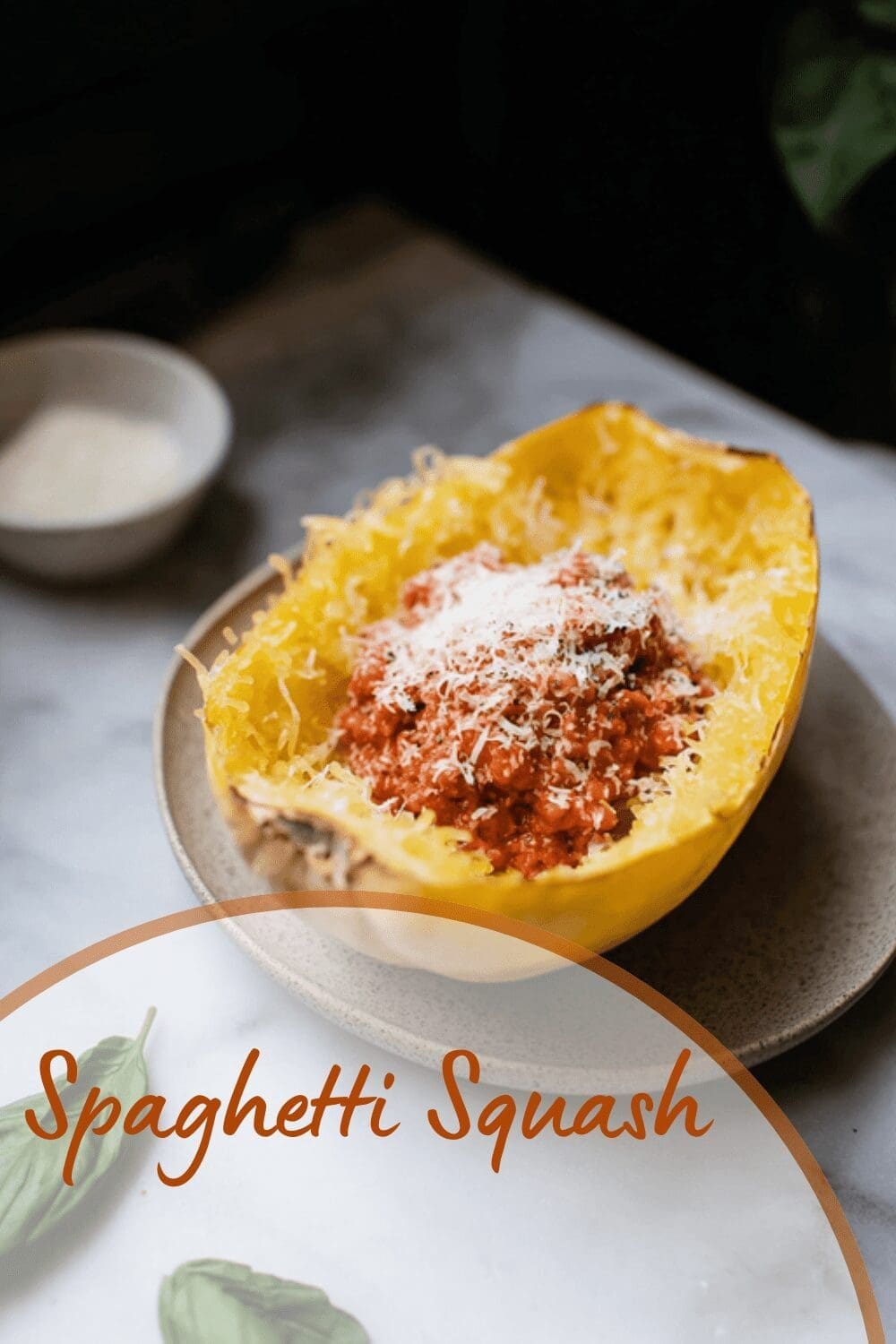
One fun idea is to pair it with other recipes for a full meal. Serve spaghetti squash in the shell for an impressive presentation, and garnish with fresh herbs or toasted nuts. Prepare and roast the spaghetti squash in advance for easy meal prep, storing it in the refrigerator to save time during the week.
How to Store Spaghetti Squash: Best Practices
Proper storage keeps your spaghetti squash fresh and ready for another meal. This is especially helpful for working professionals and families who like to plan ahead. Follow these simple guidelines to make the most of your leftovers from baking spaghetti squash.
- Store cooked spaghetti squash in an airtight container in the refrigerator for up to 4 days to maintain freshness.
- For longer storage, freeze roasted spaghetti squash in freezer-safe bags, removing as much air as possible to prevent freezer burn, and use within 3 months.
- Reheat gently in a skillet over medium-low heat or in the oven to avoid drying out the strands, and add a splash of water or broth to keep it moist.
- Prepare large batches ahead of time and portion into meal prep containers for easy, healthy lunches or dinners throughout the week.
This approach makes spaghetti squash dishes convenient for anyone on a tight schedule.
FAQs: Frequently Asked Questions About Spaghetti Squash
What is spaghetti squash and how does it taste?
Spaghetti squash is a type of winter squash known for its unique flesh that, when cooked, separates into strands resembling spaghetti noodles. It has a mild, slightly sweet flavor and a firm texture that makes it a popular low-carb alternative to pasta. The taste is subtle enough to pair well with various sauces and seasonings.
How do you cook spaghetti squash so it turns into noodle-like strands?
To cook spaghetti squash, first cut it in half lengthwise and remove the seeds. You can roast it cut-side down on a baking sheet at 400°F (200°C) for about 40–50 minutes or microwave it for 10–12 minutes. Once cooked, use a fork to gently scrape the flesh, which will separate into spaghetti-like strands ready for serving.
Is spaghetti squash healthy and what are its nutritional benefits?
Yes, spaghetti squash is a healthy choice packed with vitamins A and C, fiber, and antioxidants while being low in calories and carbohydrates. It supports digestion, boosts immunity, and suits keto and low-carb diets. One cup of cooked spaghetti squash contains about 42 calories and 2.2 grams of fiber, making it a nutritious vegetable option.
Can spaghetti squash be used as a substitute for pasta in recipes?
Absolutely! Spaghetti squash is a popular pasta substitute for those seeking gluten-free or lower-carb meals. Its noodle-like strands serve as a base for sauces, vegetables, and proteins. Simply prepare it like pasta and top with your favorite marinara, pesto, or alfredo sauce for a satisfying dish.
How should I store spaghetti squash before and after cooking?
Uncut spaghetti squash can be stored in a cool, dry place for up to a month. After cooking, keep leftovers in an airtight container in the refrigerator for 3 to 5 days. To extend shelf life, cooked strands can also be frozen for up to 3 months—just thaw before reheating.

Spaghetti Squash
🎃 How to Cook Spaghetti Squash provides a healthy, low-carb alternative to traditional pasta with a naturally mild flavor.
🍽️ This simple cooking method yields tender, spaghetti-like strands perfect for versatile, tasty meals any day of the week.
- Total Time: 40 minutes
- Yield: 2 to 4 servings
Ingredients
– 1 medium spaghetti squash (about 900 grams)
– 1 tablespoon olive oil for roasting to add flavor and help with caramelization
– Sea salt to taste for enhancing the natural flavors of the squash
– Freshly ground black pepper to taste for adding a bit of depth and mild heat
Instructions
1-Preheat the oven to 400°F (200°C). Slice the spaghetti squash in half lengthwise and scoop out the seeds and fibrous ribs to prepare it for roasting.
2-Drizzle the inside of each half with about 1/2 tablespoon of olive oil and sprinkle with sea salt and black pepper.
3-Place the squash halves cut side down on a baking sheet and poke holes in the skin with a fork to allow steam to escape.
4-Roast for 30 to 40 minutes until the skin is lightly browned and the flesh is tender but still firm. Remove from the oven, flip the halves cut side up, and allow to cool slightly.
5-Use a fork to scrape along the flesh to create spaghetti-like strands, which form the base of your dish.
Notes
🔪 If difficult to cut, soften whole squash by roasting at 400°F (200°C) for 10 minutes or microwaving in 1-minute bursts after pricking with a fork.
⏳ Avoid overcooking to keep al dente strands and prevent mushiness.
🍃 Use a light amount of oil and salt to reduce wateriness and enhance flavor.
- Prep Time: 5 minutes
- Cooking Time: 35 minutes
- Cook Time: 35 minutes
- Category: Main Dish
- Method: Roasting
- Cuisine: American
- Diet: Gluten-Free, Low-Carb, Vegetarian
Nutrition
- Serving Size: 1 cup
- Calories: 42 kcal
- Sugar: 2 g
- Sodium: 10 mg
- Fat: 1.5 g
- Saturated Fat: 0.2 g
- Unsaturated Fat: 1.3 g
- Trans Fat: 0 g
- Carbohydrates: 10 g
- Fiber: 2 g
- Protein: 1 g
- Cholesterol: 0 mg


I tried this spaghetti squash recipe last night and it was so simple and delicious! I love that it’s a lighter alternative to pasta but still filling. Do you have any suggestions for a vegan sauce that would pair well with it? 🌿