

Why You’ll Love This Vegetable Korma
Imagine coming home after a long day and whipping up a meal that’s both comforting and full of flavor without much fuss. This Vegetable Korma fits the bill perfectly, offering a simple way to enjoy a dish that’s packed with fresh veggies and a creamy sauce that brings everything together. Whether you’re cooking for your family or just yourself, it’s a recipe that highlights how easy it can be to add nutritious elements to your dinner routine.
One of the best parts about this Vegetable Korma is how it delivers a boost of health benefits in every bite. It’s loaded with vegetables like carrots and potatoes, which provide essential vitamins and fiber to help keep you feeling great. This makes it a smart choice for anyone looking to eat better without sacrificing taste.
Beyond that, it’s super versatile, letting you tweak it for different needs, such as making it vegan or adjusting the spices. Let’s dive into what makes this dish a favorite for home cooks everywhere.
Ease of Preparation
This Vegetable Korma recipe is straightforward and quick, ready in about 30 to 40 minutes, which is ideal for busy weeknights. You only need a handful of ingredients and basic steps, so even if you’re new to cooking, you’ll find it simple to follow. Prep time is just 20 minutes, with cooking taking another 20, making it perfect for when you want a homemade meal fast.
Health Benefits
Packed with fresh and frozen vegetables like carrots, potatoes, cauliflower, green beans, and peas, this dish offers a nutritious mix that’s rich in vitamins, antioxidants, and fiber. Each serving provides about 291 calories, with 34g of carbohydrates and 8g of protein, supporting overall wellness. It’s a great option for diet-conscious folks, as seen in its breakdown of nutrients like Vitamin A and C.
Versatility
You can easily adapt this Vegetable Korma to fit various dietary preferences, such as vegan or gluten-free options, all while keeping that rich taste. The recipe’s flexibility allows for swaps like using plant-based yogurt, making it accessible for everyone from students to seniors.
This Vegetable Korma stands out with its creamy blend of cashew and coconut cream, creating a mild, fragrant sauce that’s suitable for all ages. Many praise it for its authentic Indian-inspired flavor and ease, though you might tweak the onion or spices based on your taste.
Jump To
- 1. Why You’ll Love This Vegetable Korma
- 2. Essential Ingredients for Vegetable Korma
- 3. How to Prepare the Perfect Vegetable Korma: Step-by-Step Guide
- 4. Dietary Substitutions to Customize Your Vegetable Korma
- 5. Mastering Vegetable Korma: Advanced Tips and Variations
- 6. How to Store Vegetable Korma: Best Practices
- 7. FAQs: Frequently Asked Questions About Vegetable Korma
- 8. Vegetable Korma
Essential Ingredients for Vegetable Korma
Getting the ingredients right is key to making a delicious Vegetable Korma that comes together smoothly. This section breaks down everything you need, focusing on precise measurements to ensure your dish turns out just as planned. We’ll use a structured list to make it easy to follow, pulling from the classic recipe for accuracy.
- 4 medium carrots, peeled and sliced
- 3 medium gold potatoes, peeled and chopped
- 4 cups cauliflower florets
- 1 cup chopped green beans
- 14-ounce can diced tomatoes
- 1 yellow onion, peeled and quartered
- 2 inches fresh ginger
- 6 cloves garlic
- 2 tablespoons vegetable oil
- 3/4 cup raw cashews
- 13.5 ounces full-fat coconut milk or plant-based yogurt
- 2 teaspoons garam masala
- 1 tablespoon curry powder
- 1 teaspoon turmeric
- 1 teaspoon dried coriander
- 1 teaspoon ground cinnamon
- 1/2 teaspoon ground cardamom
- 1/2 teaspoon cayenne pepper (optional)
- 1/2 teaspoon ground black pepper
- 2-3 teaspoons salt, to taste
- 2 tablespoons brown sugar
- 1 cup frozen peas
- For serving: Cooked basmati rice
- For serving: Chopped fresh cilantro
- For serving: Naan bread
These ingredients create a balanced mix, with vegetables forming the base and spices adding depth. For those with dietary needs, remember options like substituting cashews for almonds if needed. To see how these play into other meals, check out our Brazilian Chickpea Curry for more veggie-focused ideas.
Special Dietary Options
This recipe is naturally gluten-free, and you can make it vegan by using coconut milk instead of yogurt. For a low-calorie version, opt for low-fat coconut milk to keep things light while maintaining that creamy texture.
How to Prepare the Perfect Vegetable Korma: Step-by-Step Guide
Diving into making Vegetable Korma is fun and rewarding, with steps that build layers of flavor one at a time. Start by gathering your ingredients and following along to create a creamy, spiced dish that will impress. This guide expands on the directions to help you get it just right, including tips for smooth blending and simmering.
First, soak the 3/4 cup raw cashews in boiling water while you boil the vegetables. This includes 4 medium carrots (peeled and sliced), 3 medium gold potatoes (peeled and chopped), 4 cups cauliflower florets, and 1 cup chopped green beans until the potatoes are fork-tender, then drain them. Meanwhile, blend the 14-ounce can diced tomatoes, 1 yellow onion (peeled and quartered), 2 inches fresh ginger, and 6 cloves garlic into a smooth puree.
- Prepare and chop all vegetables uniformly to ensure even cooking; this helps maintain the dish’s texture.
- Heat 2 tablespoons vegetable oil in a large pan over medium heat, then add the puree along with the spices: 2 teaspoons garam masala, 1 tablespoon curry powder, 1 teaspoon turmeric, 1 teaspoon dried coriander, 1 teaspoon ground cinnamon, 1/2 teaspoon ground cardamom, 1/2 teaspoon cayenne pepper (if you want some heat), 1/2 teaspoon ground black pepper, 2-3 teaspoons salt to taste, and 2 tablespoons brown sugar. Simmer until fragrant.
- Drain the cashews and blend them with 13.5 ounces full-fat coconut milk until smooth, then add this mixture to the pan.
- Stir in 1 cup frozen peas and let it simmer briefly to incorporate the flavors.
- Add the boiled vegetables to the pan, cook for about 10 minutes on low-medium heat while stirring often, and thin with water if the sauce gets too thick.
- Adjust seasoning to taste, making sure it’s just right before serving.
- Garnish with chopped fresh cilantro and serve hot with cooked basmati rice or naan bread for a complete meal.
This process takes about 40 minutes total, blending traditional methods with simple tweaks. For more stir-fry inspiration, try our Chicken Stir-Fry recipe, which uses similar quick-cooking techniques.

Dietary Substitutions to Customize Your Vegetable Korma
One of the joys of cooking Vegetable Korma is how easy it is to make it your own, especially with dietary tweaks. Whether you’re aiming for more protein or adjusting for allergies, these changes keep the dish delicious and adaptable. Let’s explore some options that fit different lifestyles.
For instance, if you want to boost protein, replace some mixed vegetables with tofu or tempeh. You can also swap in chickpeas for a hearty, plant-based twist, as suggested in the tips from the recipe summary.
- Protein alternatives: Use tofu cubes or paneer to add more substance.
- Veggie swaps: Try zucchini, corn, or red bell peppers for variety.
- Sauce changes: Opt for almond milk instead of coconut milk for a lighter creaminess.
- Spice twists: Add cardamom or fennel seeds to experiment with new flavors.
These modifications, like using two cans of coconut milk for cashew allergies, ensure everyone can enjoy this mild dish. As noted, roasting vegetables can enhance flavor, though it adds a bit more time.
Mastering Vegetable Korma: Advanced Tips and Variations
Once you’re comfortable with the basics of Vegetable Korma, you can level up with some pro techniques and fun variations. Toasting spices before adding them can make a big difference, releasing deeper aromas that elevate the whole dish. Let’s break this down further for better results.
Pro Cooking Techniques
Start by toasting whole cumin seeds and cardamom pods before grinding them; this step, as mentioned in the tips, brings out richer flavors. Roasting your vegetables ahead of time adds a nice char, though it does increase prep time slightly.
Flavor Variations
You can incorporate roasted cashews or raisins for extra texture and sweetness. Experimenting with additions like mushrooms or broccoli keeps things fresh and exciting.
| Variation | Benefit |
|---|---|
| Add chickpeas | Boosts protein and makes it heartier |
| Use almond milk | Creates a lighter sauce |
These expert tips help you create memorable meals, much like the variations in our Spicy Thai Chicken Stir-Fry.
How to Store Vegetable Korma: Best Practices
Proper storage keeps your Vegetable Korma tasting great for days, making it a fantastic option for meal prep. Follow these steps to maintain its creamy texture and flavors. Leftovers can last 4 to 5 days in the fridge, as per the recipe notes.
- Refrigerate in an airtight container for up to 3 days to keep it fresh.
- Freeze portions in freezer-safe containers for up to 1 month, leaving space for expansion.
- Gently reheat on low heat with a splash of water or coconut milk to avoid drying it out.
- For batch cooking, divide into single servings for easy weeknight meals.
As the tips suggest, freezing works well and even improves the taste over time. This makes it ideal for busy parents or working professionals looking to save time.
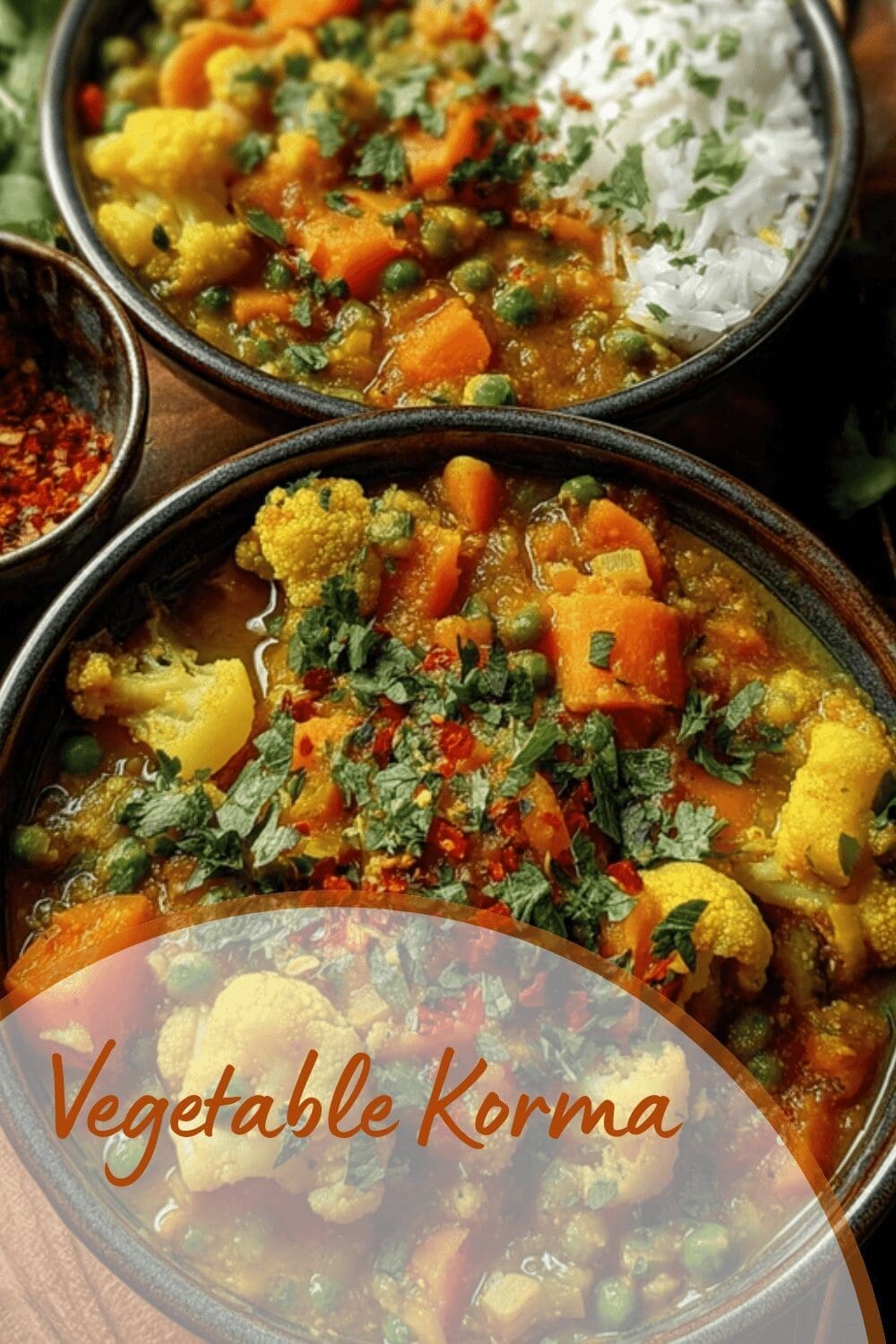
FAQs: Frequently Asked Questions About Vegetable Korma
What is vegetable korma and how is it different from other Indian curries?
Vegetable korma is a creamy, mildly spiced Indian dish made with mixed vegetables cooked in a sauce of yogurt, coconut milk, cream, or nut pastes. Unlike many Indian curries, korma tends to have a rich, fragrant sauce with a subtle flavor and little heat. Traditional curries usually have more spices and a thinner sauce, while korma focuses on smoothness and richness using ingredients like cashews or almonds.
Can I make vegetable korma vegan or dairy-free?
Yes, vegetable korma can easily be made vegan or dairy-free by substituting yogurt or cream with plant-based alternatives like coconut milk, almond milk, or cashew cream. Be sure to check that any pre-made spice blends or pastes do not contain dairy. Using these swaps keeps the dish creamy and flavorful without animal products.
What vegetables work best in vegetable korma?
Common vegetables for vegetable korma include potatoes, carrots, peas, cauliflower, green beans, and bell peppers. You can also add zucchini, mushrooms, or corn depending on availability and taste preferences. Using a mix of fresh or frozen vegetables ensures a colorful, textured dish. It’s best to cut vegetables into bite-sized pieces for even cooking.
How long can I store leftover vegetable korma and does the flavor change?
Leftover vegetable korma can be kept in the refrigerator for 4 to 5 days when stored in an airtight container. The flavors often deepen after a day, making the dish taste even better. Reheat gently on the stovetop or in the microwave, adding a splash of water or coconut milk if the sauce has thickened too much.
Is vegetable korma healthy and what nutrients does it provide?
Vegetable korma is a nutritious dish packed with vitamins and fiber from the mixed vegetables. Using nuts like cashews adds healthy fats and protein. However, some recipes can be high in calories due to cream or coconut milk, so portion control is key. Using low-fat yogurt or coconut milk lightens the dish while maintaining flavor. It’s a balanced option when paired with whole grains like brown rice or whole wheat roti.

Vegetable Korma
🥕 Easy Vegetable Korma Recipe features a creamy, flavorful sauce paired with fresh and tender vegetables for a wholesome meal.
🌶️ This mild and fragrant dish is perfect for all ages and can be made quickly, making it ideal for busy weeknights or comforting dinners.
- Total Time: 40 minutes
- Yield: 8 servings 1x
Ingredients
4 medium carrots, peeled and sliced
3 medium gold potatoes, peeled and chopped
4 cups cauliflower florets
1 cup chopped green beans
14-ounce can diced tomatoes
1 yellow onion, peeled and quartered
2 inches fresh ginger
6 cloves garlic
2 tablespoons vegetable oil
3/4 cup raw cashews
13.5 ounces full-fat coconut milk or plant-based yogurt
2 teaspoons garam masala
1 tablespoon curry powder
1 teaspoon turmeric
1 teaspoon dried coriander
1 teaspoon ground cinnamon
1/2 teaspoon ground cardamom
1/2 teaspoon cayenne pepper (optional)
1/2 teaspoon ground black pepper
2–3 teaspoons salt, to taste
2 tablespoons brown sugar
1 cup frozen peas
Cooked basmati rice for serving
Chopped fresh cilantro for serving
Naan bread for serving
Instructions
1-Prepare and chop all vegetables uniformly to ensure even cooking; this helps maintain the dish’s texture.
2-Heat 2 tablespoons vegetable oil in a large pan over medium heat, then add the puree along with the spices: 2 teaspoons garam masala, 1 tablespoon curry powder, 1 teaspoon turmeric, 1 teaspoon dried coriander, 1 teaspoon ground cinnamon, 1/2 teaspoon ground cardamom, 1/2 teaspoon cayenne pepper (if you want some heat), 1/2 teaspoon ground black pepper, 2-3 teaspoons salt to taste, and 2 tablespoons brown sugar. Simmer until fragrant.
3-Drain the cashews and blend them with 13.5 ounces full-fat coconut milk until smooth, then add this mixture to the pan.
4-Stir in 1 cup frozen peas and let it simmer briefly to incorporate the flavors.
5-Add the boiled vegetables to the pan, cook for about 10 minutes on low-medium heat while stirring often, and thin with water if the sauce gets too thick.
6-Adjust seasoning to taste, making sure it’s just right before serving.
7-Garnish with chopped fresh cilantro and serve hot with cooked basmati rice or naan bread for a complete meal.
Notes
🌰 Substitute cashews with almonds or sunflower seeds or use extra coconut milk for nut allergies.
🥦 Vary vegetables to include zucchini, corn, bell peppers, mushrooms, and more.
🔥 Toast whole cumin seeds and cardamom pods for deeper flavor and grind fresh.
- Prep Time: 20 minutes
- Cook Time: 20 minutes
- Category: Main Course
- Method: Simmering, Blending
- Cuisine: Indian
- Diet: Vegetarian, Gluten-Free
Nutrition
- Serving Size: 1 serving
- Calories: 291
- Sugar: 10 g
- Sodium: 705 mg
- Fat: 16 g
- Saturated Fat: 10 g
- Carbohydrates: 34 g
- Fiber: 7 g
- Protein: 8 g
- Cholesterol: 0 mg


