

Why You’ll Love This German Cabbage And Dumplings
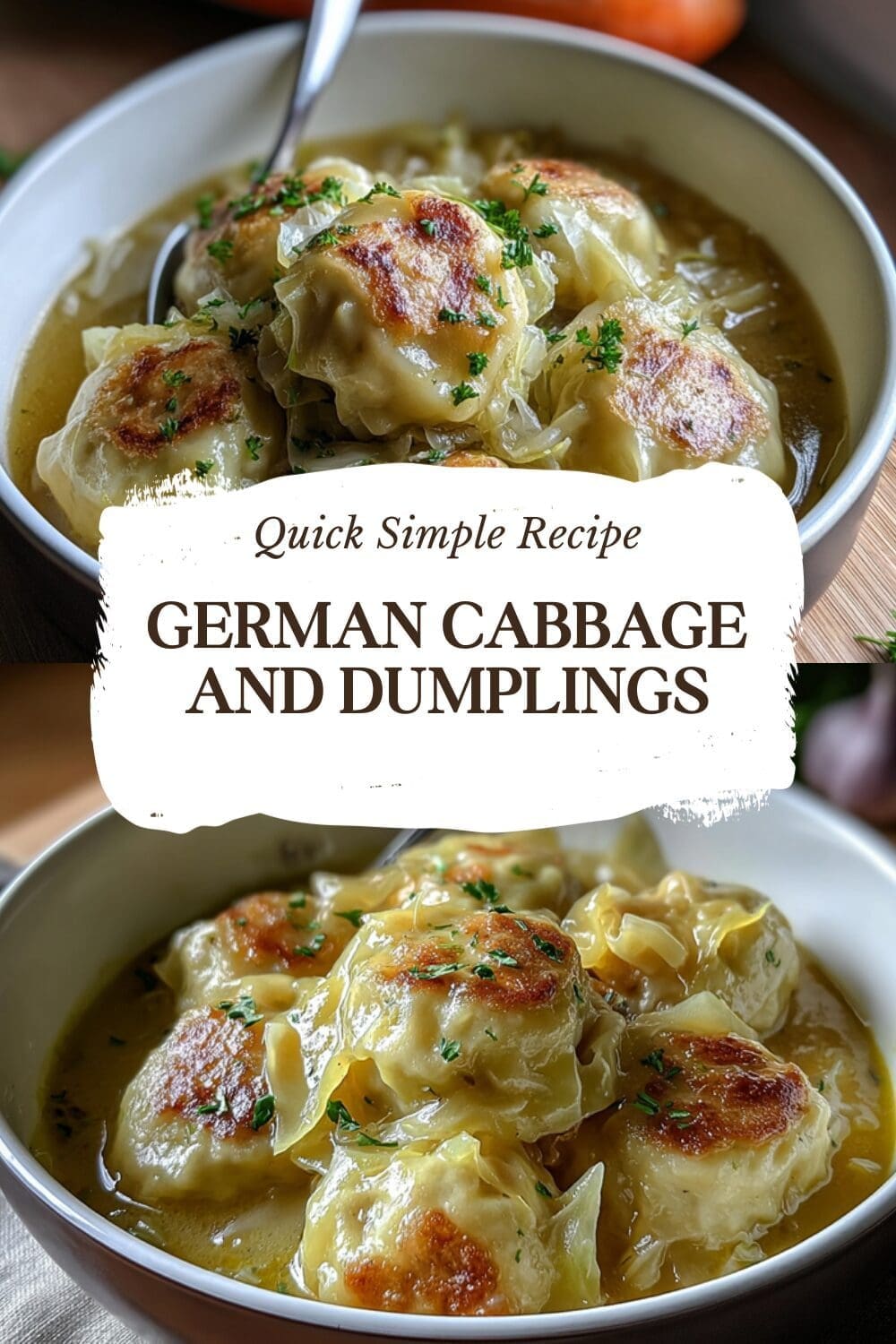
German Cabbage and Dumplings is a hearty, comforting stew inspired by traditional recipes from early German settlers, featuring cabbage and chewy dumplings simmered in a savory broth. This makes it a filling meal ideal for cold weather, perfect when you crave something warm and satisfying. Ease of preparation stands out, as this recipe is simple and quick to make, ideal for busy weeknights with minimal ingredients and step-by-step instructions to get a wholesome meal on the table in under an hour.
Health benefits are another reason to try it, packed with nutritious cabbage and wholesome dumplings that offer fiber, vitamins, and minerals to support digestion and overall wellness. It’s a balanced dish that promotes health without sacrificing flavor, using straightforward ingredients for a nourishing boost. Versatility adds to its appeal, as you can easily adapt it to various dietary needs, like vegan or gluten-free versions, by substituting ingredients to fit personal preferences.
The distinctive flavor comes from the tender cabbage and soft, fluffy dumplings, blending seasonings that highlight authentic German culinary traditions for a unique taste. This recipe stands out as a versatile choice for your table, bringing comfort and joy to every bite.An internal link can guide your cooking journey: explore similar comfort food with slow cooker chicken and dumplings for easy family favorites.
Jump To
- 1. Why You’ll Love This German Cabbage And Dumplings
- 2. Essential Ingredients for German Cabbage And Dumplings
- 3. How to Prepare the Perfect German Cabbage And Dumplings: Step-by-Step Guide
- 4. Dietary Substitutions to Customize Your German Cabbage And Dumplings
- 5. Mastering German Cabbage And Dumplings: Advanced Tips and Variations
- 6. How to Store German Cabbage And Dumplings: Best Practices
- 7. FAQs: Frequently Asked Questions About German Cabbage And Dumplings
- 8. German Cabbage And Dumplings
Essential Ingredients for German Cabbage And Dumplings
To create this comforting dish, gather all the ingredients needed for both the dumplings and the cabbage. Below is a comprehensive, structured list of every item required, ensuring you have the exact measurements for a successful recipe. This list draws from the traditional elements to make preparation straightforward and accurate.
- 1 cup of all-purpose flour (for dumplings)
- 1 teaspoon of dried thyme or parsley (for dumplings)
- 3/4 teaspoon of black pepper (for dumplings)
- 1/2 teaspoon of salt (for dumplings)
- 1/2 teaspoon of baking powder (optional, for dumplings)
- 1/4 teaspoon of baking soda (optional, for dumplings)
- 2 large beaten eggs (for dumplings)
- 1 to 3 tablespoons of milk if needed (for dumplings, to create the dough)
- 4 tablespoons of unsalted butter (divided, for cabbage)
- 1 large chopped onion (for cabbage)
- 1 medium head of chopped cabbage (for cabbage)
- 1/4 cup of vegetable or chicken stock (for cabbage)
- 1/2 teaspoon of garlic powder (for cabbage)
- 1 tablespoon of chopped fresh parsley (for cabbage)
Special Dietary Options include ways to adapt for different needs, such as using vegan substitutes like flaxseed meal for eggs and plant-based milk, or gluten-free flour blends for the dough. This setup keeps the recipe accessible and easy to modify while maintaining its wholesome appeal.
How to Prepare the Perfect German Cabbage And Dumplings: Step-by-Step Guide
Preparation for this dish takes about 20 minutes, with cooking time around 40 minutes, totaling roughly 1 hour, making it a straightforward option for any day. Start by mixing the dry ingredients for the dumplings, then add the eggs and stir into a stiff dough with milk as necessary. For more inspiration on dumplings, check out a related recipe: try pumpkin ricotta gnocchi for a creative twist on textures.
First Step: Prepare the cabbage by removing outer leaves, washing thoroughly, and slicing it thinly. Set aside.
Second Step: In a large pan, melt butter over medium heat. Add chopped onions and sauté until translucent, about 5 minutes.
Third Step: Add sliced cabbage to the pan, season with salt and pepper, and cook until tender but still slightly crisp, about 10-12 minutes. Stir occasionally.
Fourth Step: While cabbage cooks, prepare the dumpling dough by mixing flour, egg, and milk in a bowl until smooth. Adjust consistency if needed.
Fifth Step: Bring a large pot of salted water to a gentle boil. Drop spoonfuls of dumpling dough into the water and cook until they float to the surface, about 3-4 minutes.
Sixth Step: Remove dumplings with a slotted spoon and add them to the sautéed cabbage mixture.
Seventh Step: Gently combine dumplings and cabbage in the pan, allowing flavors to meld for 2-3 minutes.
Eighth Step: Taste and adjust seasoning with salt and pepper if needed.
Final Step: Serve hot, garnished with fresh herbs like parsley or chives for a burst of color and flavor. Adaptations include using plant-based milk and vegan butter for a vegan version, with cooking times staying similar.

Dietary Substitutions to Customize Your German Cabbage And Dumplings
This recipe shines with its flexibility, letting you tailor it to fit various tastes and needs while keeping the hearty essence intact. Protein and Main Component Alternatives include replacing traditional dumpling dough with chickpea flour or potato flour for gluten-free or higher-protein options.
Vegetable, Sauce, and Seasoning Modifications offer more ways to personalize, such as substituting green cabbage with savoy or red cabbage for different textures and colors. These changes help make your German cabbage and dumplings adaptable.
Mastering German Cabbage And Dumplings: Advanced Tips and Variations
Pro cooking techniques can take your dish to the next level, like blanching the cabbage briefly before sautéing to remove any bitterness and letting the dumpling dough rest for 15 minutes for better elasticity. Flavor variations add excitement, such as including a touch of caraway seeds or smoked paprika for an authentic German twist.
Presentation tips make it visually appealing, like serving in rustic bowls topped with fresh chopped parsley or chives. Make-ahead options are handy for busy days, such as preparing the dumpling dough in advance and refrigerating it for up to 24 hours.
Using these expert tips will help you refine your German cabbage and dumplings, ensuring each meal is enjoyable and tailored to your preferences. For more on cabbage benefits, consider the benefits of cabbage as an overlooked superfood, which highlights its role in nutritious meals.
How to Store German Cabbage And Dumplings: Best Practices
Refrigeration helps keep leftovers fresh, so store German cabbage and dumplings in an airtight container in the refrigerator for up to 3 days. Freezing is great for longer storage, placing portions in freezer-safe containers for up to 2 months.
Reheating maintains the dish’s texture and flavor, using low heat on the stove with a splash of water or broth. Meal prep considerations suggest batch cooking dumplings and cabbage separately for better preservation.
FAQs: Frequently Asked Questions About German Cabbage And Dumplings
How do I make traditional German cabbage and dumplings?
To make traditional German cabbage and dumplings, start by sautéing shredded cabbage with onions and caraway seeds until tender. For the dumplings, mix flour, eggs, milk, and a pinch of salt into a dough, then form into small balls or drop spoonfuls into boiling salted water. Cook until they float, which usually takes about 10 minutes. Serve the dumplings alongside the cabbage, often with a bit of butter or bacon added for extra flavor. This dish is hearty and perfect for a comforting meal.
Can I prepare dumplings for German cabbage and dumplings ahead of time?
Yes, you can prepare the dumpling dough up to a day in advance. Store it tightly wrapped in the refrigerator to keep it fresh. When ready to cook, bring salted water to a boil and drop the dumplings in. If you want to prepare fully cooked dumplings ahead of time, cook them, cool, and store in an airtight container in the fridge for up to two days. Reheat by gently simmering them in boiling water or lightly pan-frying.
What type of cabbage works best for German cabbage and dumplings?
Savoy cabbage or green cabbage both work well in German cabbage and dumplings. Savoy cabbage has a tender texture and mild flavor, which softens nicely when cooked. Green cabbage is more common and provides a firmer bite and slightly earthier taste. Choose fresh cabbage heads without blemishes for the best result, and shred or chop the leaves finely to ensure even cooking and good texture.
Is German cabbage and dumplings a healthy meal option?
German cabbage and dumplings can be a nutritious meal when prepared with fresh ingredients. Cabbage is high in fiber, vitamins C and K, and low in calories. Dumplings made with flour and eggs provide carbohydrates and protein. To keep it light, avoid adding excessive butter or fatty meats. Adding a side of sauerkraut or a fresh salad can also boost the meal’s nutrient profile and aid digestion.
Can I make German cabbage and dumplings gluten-free?
Yes, you can make German cabbage and dumplings gluten-free by substituting regular flour with gluten-free flour blends designed for baking or cooking. Make sure the blend contains xanthan gum or another binder to help the dumplings hold together. The cooking process remains the same, but the texture may be slightly different. This adjustment allows those with gluten intolerance or celiac disease to enjoy the dish safely.

German Cabbage And Dumplings
🥬 Hearty German comfort food that brings together tender cabbage and chewy dumplings in a savory broth
🍲 Perfect warming meal for cold weather that’s both filling and satisfying with traditional flavors
- Total Time: 1 hour
- Yield: 4-6 servings
Ingredients
– 1 cup of all-purpose flour (for dumplings)
– 1 teaspoon of dried thyme or parsley (for dumplings)
– 3/4 teaspoon of black pepper (for dumplings)
– 1/2 teaspoon of salt (for dumplings)
– 1/2 teaspoon of baking powder (optional, for dumplings)
– 1/4 teaspoon of baking soda (optional, for dumplings)
– 2 large beaten eggs (for dumplings)
– 1 to 3 tablespoons of milk if needed (for dumplings, to create the dough)
– 4 tablespoons of unsalted butter (divided, for cabbage)
– 1 large chopped onion (for cabbage)
– 1 medium head of chopped cabbage (for cabbage)
– 1/4 cup of vegetable or chicken stock (for cabbage)
– 1/2 teaspoon of garlic powder (for cabbage)
– 1 tablespoon of chopped fresh parsley (for cabbage)
Instructions
First Step: Prepare the cabbage by removing outer leaves, washing thoroughly, and slicing it thinly. Set aside.
Second Step: In a large pan, melt butter over medium heat. Add chopped onions and sauté until translucent, about 5 minutes.
Third Step: Add sliced cabbage to the pan, season with salt and pepper, and cook until tender but still slightly crisp, about 10-12 minutes. Stir occasionally.
Fourth Step: While cabbage cooks, prepare the dumpling dough by mixing flour, egg, and milk in a bowl until smooth. Adjust consistency if needed.
Fifth Step: Bring a large pot of salted water to a gentle boil. Drop spoonfuls of dumpling dough into the water and cook until they float to the surface, about 3-4 minutes.
Sixth Step: Remove dumplings with a slotted spoon and add them to the sautéed cabbage mixture.
Seventh Step: Gently combine dumplings and cabbage in the pan, allowing flavors to meld for 2-3 minutes.
Eighth Step: Taste and adjust seasoning with salt and pepper if needed.
Final Step: Serve hot, garnished with fresh herbs like parsley or chives for a burst of color and flavor. Adaptations include using plant-based milk and vegan butter for a vegan version, with cooking times staying similar.
Notes
🥄 Don’t overmix the dumpling dough – mix just until combined for tender results
🍚 Use cold water when boiling dumplings to prevent them from falling apart
🌿 Fresh parsley adds brightness, but you can substitute with dried in a pinch
- Prep Time: 20 minutes
- Cook Time: 40 minutes
- Category: Main Course
- Method: Boiling and Simmering
- Cuisine: German
- Diet: None
Nutrition
- Serving Size: 1 serving
- Calories: 320
- Sugar: 8
- Sodium: 680
- Fat: 14
- Saturated Fat: 8
- Unsaturated Fat: 6
- Trans Fat: 0
- Carbohydrates: 38
- Fiber: 5
- Protein: 9
- Cholesterol: 105


