

Why You’ll Love This hummus
- Ease of preparation: This hummus recipe is incredibly simple and quick, requiring just a handful of basic ingredients and minimal kitchen tools. With about 10 minutes from start to finish, it’s perfect for busy home cooks or those new to making dips, providing a healthy snack in no time.
- Health benefits: Packed with protein, dietary fiber, and heart-healthy fats from chickpeas, tahini, and olive oil, this hummus supports digestion, sustained energy, and overall wellness. It’s naturally cholesterol-free and low in saturated fat, making it a smart choice for nutritious eating.
- Versatility: Adapt this classic hummus easily to fit vegan, gluten-free, or low-calorie dietary needs. Simply adjust the oil or water content, swap ingredients, or add flavor variations like roasted peppers or herbs to keep it fresh and exciting.
- Distinctive flavor: The creamy blend of nutty tahini, bright lemon juice, and pungent garlic balanced with smooth chickpeas creates a rich, satisfying flavor. A sprinkle of paprika, sumac, or fresh parsley elevates this dish, making it a standout dip or spread for any occasion.
Jump To
- 1. Why You’ll Love This hummus
- 2. Essential Ingredients for hummus
- 3. How to Prepare the Perfect hummus: Step-by-Step Guide
- 4. Dietary Substitutions to Customize Your hummus
- 5. Mastering hummus: Advanced Tips and Variations
- 6. How to Store hummus: Best Practices
- 7. FAQs: Frequently Asked Questions About hummus
- 8. hummus
Essential Ingredients for hummus
- 1 cup cooked chickpeas (or 1 (15 oz) can chickpeas, drained) – forms the creamy, protein-rich base
- ¼ cup well-stirred tahini – adds rich, nutty flavor and smooth texture
- 2 tablespoons fresh lemon juice – provides refreshing, tangy brightness
- 1 small garlic clove, minced – infuses savory, aromatic punch
- 2 tablespoons extra-virgin olive oil – contributes smoothness and heart-healthy fats
- ½ teaspoon ground cumin (optional) – adds warmth and subtle earthiness
- Salt to taste (about ½ teaspoon sea salt) – balances and enhances flavors
- 2 to 5 tablespoons cold water or aquafaba – adjusts creaminess and consistency
- Garnish options: dash of paprika, red pepper flakes, sumac, Za’atar, fresh parsley, or pine nuts – for visual appeal and flavor complexity
Special Dietary Options:
- Vegan: Entire recipe is naturally vegan using plant-based ingredients.
- Gluten-free: All ingredients are gluten-free, suitable for gluten-intolerant diets.
- Low-calorie: Reduce olive oil quantity or substitute with water to lower fat and calorie content without sacrificing creaminess.
How to Prepare the Perfect hummus: Step-by-Step Guide
First Step: Prepare and Blend Tahini with Lemon Juice
In a food processor or high-speed blender, combine the well-stirred tahini and fresh lemon juice. Process for 1 minute, scraping down the sides as needed, then blend for an additional 30 seconds. This whipping action makes the tahini creamy and smooth, setting the foundation for perfect hummus.
Second Step: Add Olive Oil, Garlic, Cumin, and Salt
Add the extra-virgin olive oil, minced garlic, ground cumin (if using), and sea salt to the tahini-lemon mixture. Process for another 30 seconds, scrape the sides, then blend for a further 30 seconds to thoroughly mix and develop flavors.
Third Step: Incorporate Chickpeas in Batches
Drain chickpeas (reserve aquafaba liquid if preferred). Add half the chickpeas to the processor and blend for 1 minute, scraping the sides and bottom to ensure even mixing. Add the remaining chickpeas and process for 1 to 2 minutes until the mixture is thick and mostly smooth.
Fourth Step: Adjust Consistency with Cold Water or Aquafaba
With the processor running, slowly add cold water or aquafaba one tablespoon at a time. Continue blending until the hummus reaches your preferred creamy, fluffy texture. The liquid not only smooths the dip but can also add a lighter consistency if desired.
Fifth Step: Taste and Final Seasoning Adjustments
Taste your hummus and adjust the seasoning as needed with extra salt, lemon juice, or garlic for brightness and depth. Blend briefly to combine any additions.
Final Step: Serve and Garnish
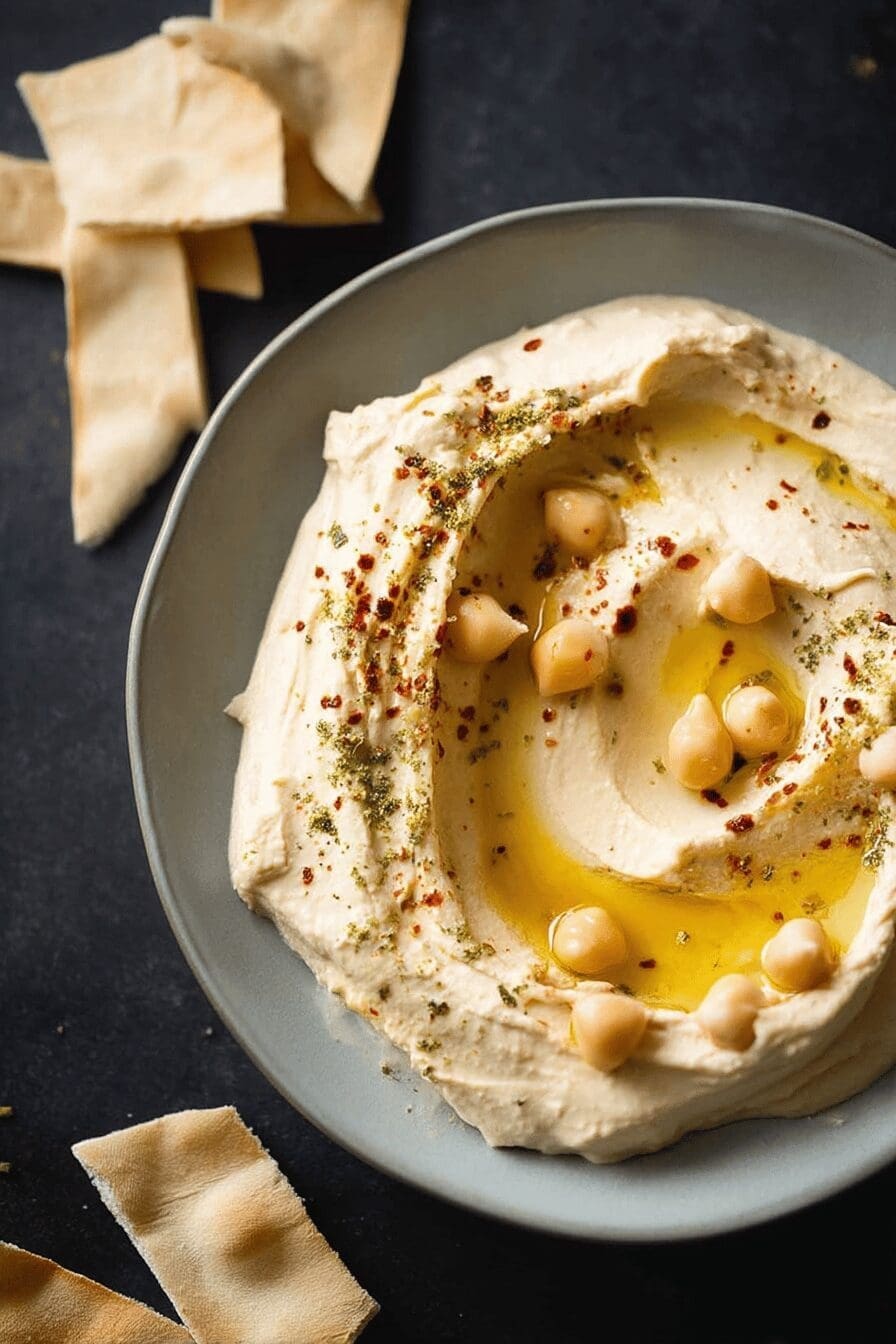
Transfer the hummus to a serving dish. Drizzle with a little extra olive oil and garnish with spices like paprika or sumac, fresh herbs such as parsley, or crunchy toppings like toasted pine nuts. Serve chilled or at room temperature with pita, vegetables, or as a spread.
Note: For a low-calorie twist, substitute olive oil with water or avocado oil, and experiment with roasted garlic or red pepper for added flavor without extra fat.

Dietary Substitutions to Customize Your hummus
Protein and Main Component Alternatives
- Swap chickpeas with white beans or cannellini beans for a different creamy base and protein variation.
- Use edamame beans for a bright green, protein-rich alternative that pairs well with garlic and lemon.
Vegetable, Sauce, and Seasoning Modifications
- Replace fresh lemon juice with lime juice or add a splash of vinegar for a different acid profile.
- Incorporate roasted red peppers or sun-dried tomatoes to add sweetness and complexity.
- Adjust garlic intensity use roasted garlic for a milder, sweeter flavor or raw for a pungent kick.
- Add spices such as ground cumin, smoked paprika, or chili flakes for varied warmth and aroma.
Mastering hummus: Advanced Tips and Variations
- Pro cooking techniques: Peeling chickpeas before blending ensures an ultra-smooth, silky texture that elevates your hummus to professional standards. Using ice-cold water during blending enhances fluffiness.
- Flavor variations: Experiment with herbs like cilantro or basil for freshness or mix in za’atar spice blend for Middle Eastern flair. Consider adding roasted beets or sweet potatoes for colorful versions.
- Presentation tips: Serve hummus in a shallow bowl with a generous olive oil drizzle, and garnish with whole chickpeas, vibrant paprika, toasted pine nuts, or fresh parsley for eye-catching appeal.
- Make-ahead options: Prepare hummus in advance and refrigerate for up to 4 days. Flavors deepen beautifully, making it an even better party dip or snack over time.
How to Store hummus: Best Practices
| Storage Method | Guidelines |
|---|---|
| Refrigeration | Store hummus in an airtight container in the refrigerator for up to 4 days to preserve freshness and flavor. |
| Freezing | Freeze hummus in freezer-safe containers, leaving some headroom for expansion. Freeze up to 3 months; thaw overnight in the refrigerator. |
| Reheating | Serve hummus chilled or at room temperature. If reheating, warm gently and stir to restore creaminess. Avoid overheating to maintain texture. |
| Meal Prep Considerations | Divide hummus into small portions for easy snacks or lunches, minimizing air exposure to keep it fresh longer. |
FAQs: Frequently Asked Questions About hummus
What ingredients do I need to make traditional hummus at home?
To make traditional hummus, you will need cooked chickpeas, tahini (sesame seed paste), fresh lemon juice, garlic, olive oil, ground cumin, salt, and cold water or aquafaba (chickpea cooking liquid). These ingredients blend together to create a creamy and flavorful dip.
Can I make hummus using canned chickpeas, and how do I prepare them?
Yes, canned chickpeas are convenient and work well for hummus. Rinse and drain them thoroughly before blending to remove excess salt and liquid. You can also remove the skins from the chickpeas if you want a smoother texture, though this step is optional.
How can I get a smooth and creamy texture when making hummus?
Achieving smooth hummus depends on using high-quality tahini with a creamy consistency and blending the ingredients thoroughly. Adding cold water or aquafaba gradually while blending helps reach a fluffy texture. For extra smoothness, peeling the chickpeas and blending in batches may help.
How should homemade hummus be stored, and how long does it last?
Store homemade hummus in an airtight container in the refrigerator. It stays fresh for up to one week. To preserve it longer, you can freeze hummus for up to one month; before freezing, cover the surface with a thin layer of olive oil to maintain moisture.
What are some easy ways to serve hummus and add variety to your meals?
Hummus pairs well with pita bread, crackers, fresh vegetables like cucumber and carrots, and makes a tasty spread for sandwiches and wraps. You can also try mixing in roasted red peppers, herbs like parsley, or spices such as cumin to create different flavor variations.

hummus
A light and refreshing couscous salad packed with vibrant vegetables and a tangy lemon dressing. This dish is perfect as a summer side or a wholesome main course.
- Total Time: 35 minutes
- Yield: 4 servings 1x
Ingredients
1 cup cooked chickpeas
1 (15 oz) can chickpeas, drained
¼ cup well-stirred tahini
2 tablespoons fresh lemon juice
1 small garlic clove, minced
2 tablespoons extra-virgin olive oil
½ teaspoon ground cumin
½ teaspoon sea salt
Salt to taste
2 to 5 tablespoons cold water
2 to 5 tablespoons aquafaba
dash of paprika
dash of red pepper flakes
dash of sumac
dash of Za’atar
fresh parsley
pine nuts
Instructions
First Step: Prepare and Blend Tahini with Lemon Juice In a food processor or high-speed blender, combine the well-stirred tahini and fresh lemon juice. Process for 1 minute, scraping down the sides as needed, then blend for an additional 30 seconds. This whipping action makes the tahini creamy and smooth, setting the foundation for perfect hummus.
Second Step: Add Olive Oil, Garlic, Cumin, and Salt Add the extra-virgin olive oil, minced garlic, ground cumin (if using), and sea salt to the tahini-lemon mixture. Process for another 30 seconds, scrape the sides, then blend for a further 30 seconds to thoroughly mix and develop flavors.
Third Step: Incorporate Chickpeas in Batches Drain chickpeas (reserve aquafaba liquid if preferred). Add half the chickpeas to the processor and blend for 1 minute, scraping the sides and bottom to ensure even mixing. Add the remaining chickpeas and process for 1 to 2 minutes until the mixture is thick and mostly smooth.
Fourth Step: Adjust Consistency with Cold Water or Aquafaba With the processor running, slowly add cold water or aquafaba one tablespoon at a time. Continue blending until the hummus reaches your preferred creamy, fluffy texture. The liquid not only smooths the dip but can also add a lighter consistency if desired.
Fifth Step: Taste and Final Seasoning Adjustments Taste your hummus and adjust the seasoning as needed with extra salt, lemon juice, or garlic for brightness and depth. Blend briefly to combine any additions.
Final Step: Serve and Garnish Transfer the hummus to a serving dish. Drizzle with a little extra olive oil and garnish with spices like paprika or sumac, fresh herbs such as parsley, or crunchy toppings like toasted pine nuts. Serve chilled or at room temperature with pita, vegetables, or as a spread.
Notes
Add grilled chicken or chickpeas for extra protein. Adjust the lemon and olive oil to taste.
- Prep Time: 15 minutes
- Marination Time: 15 minutes
- Cook Time: 5 minutes
- Category: Salad
- Method: No-Cook
- Cuisine: Mediterranean
- Diet: Vegetarian
Nutrition
- Serving Size: 1 bowl
- Calories: 320
- Sugar: 4g
- Sodium: 540mg
- Fat: 18g
- Saturated Fat: 5g
- Unsaturated Fat: 12g
- Trans Fat: 0g
- Carbohydrates: 35g
- Fiber: 5g
- Protein: 6g
- Cholesterol: 15mg


I never thought making hummus could be so easy! Such a creamy texture. 😊 I added a pinch of smoked paprika for a little extra kick, and it turned out amazing. Thanks for the delicious recipe!