

Why You’ll Love This Lettuce Wraps
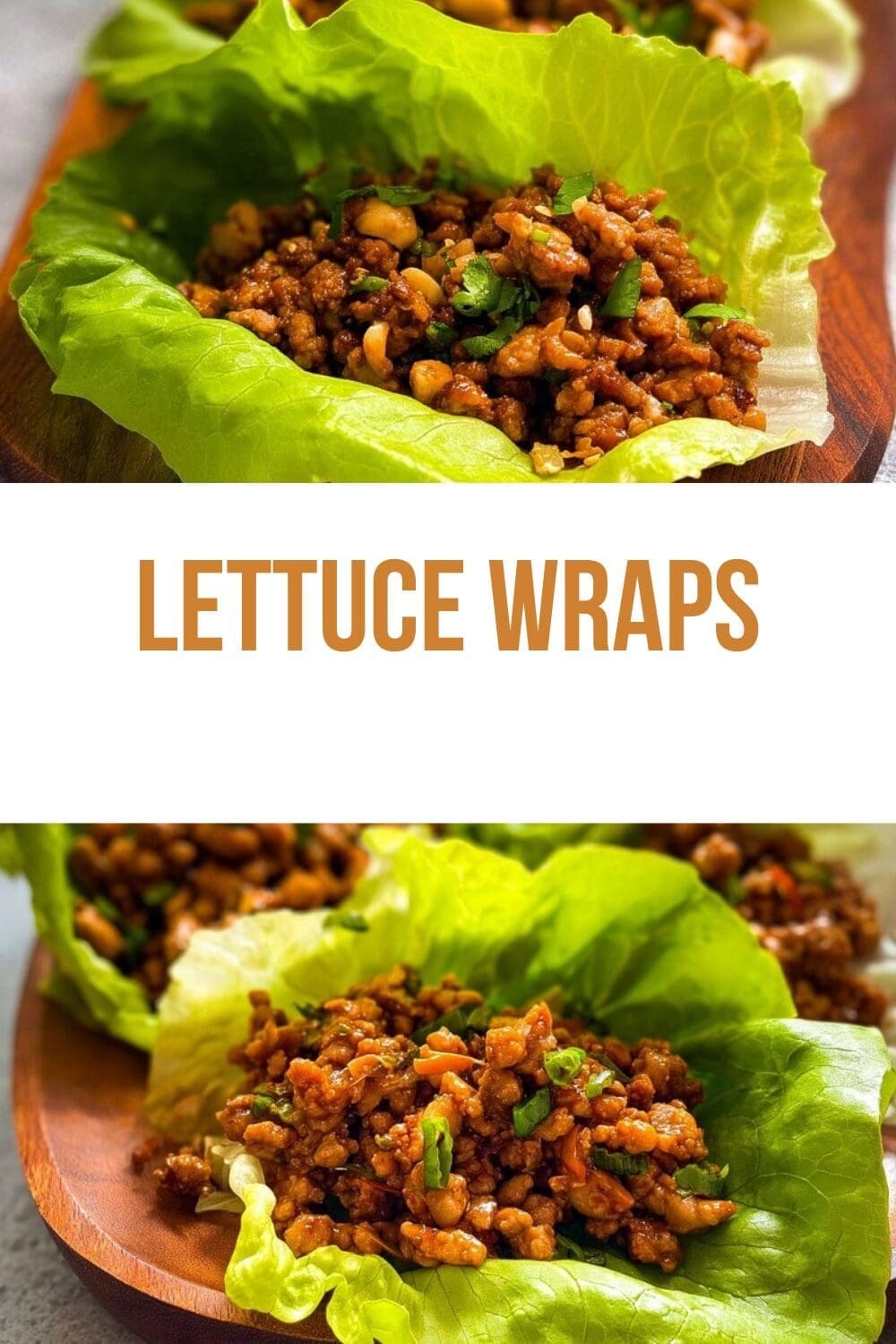
These chicken lettuce wraps bring all the amazing flavors of your favorite restaurant right to your kitchen, and they come together in just 30 minutes! Whether you’re looking for a quick weeknight dinner or a fun appetizer for entertaining, this recipe delivers on every level.
- Ease of preparation: This easy chicken lettuce wraps recipe requires minimal prep work and cooks in one pan. With just 10 minutes of chopping and 20 minutes of cooking time, you’ll have a delicious meal on the table faster than ordering takeout. The simple steps make this perfect for beginner cooks or busy parents who need a reliable go-to recipe.
- Health benefits: Each wrap contains only 209 calories while packing 18.7 grams of protein. These healthy lettuce wraps are naturally low in carbohydrates, making them ideal for anyone watching their carb intake. The fresh vegetables provide essential vitamins like Vitamin A and C, and you can easily customize the sauce to reduce sodium if needed.
- Versatility: This lettuce wrap recipe adapts beautifully to various dietary needs. Make it gluten-free by swapping soy sauce for tamari, use ground turkey or pork instead of chicken, or create a vegetarian version. Serve the filling over rice, noodles, or salad for different meal options throughout the week.
- Distinctive flavor: The combination of creamy peanut butter, savory hoisin sauce, tangy rice vinegar, and fresh ginger creates that irresistible Asian-inspired flavor profile. The water chestnuts add a satisfying crunch, while the crushed peanuts and green onions on top provide texture and freshness that make these wraps truly better than takeout.
Jump To
- 1. Why You’ll Love This Lettuce Wraps
- 2. Essential Ingredients for Lettuce Wraps
- 3. How to Prepare the Perfect Lettuce Wraps: Step-by-Step Guide
- 4. Dietary Substitutions to Customize Your Lettuce Wraps
- 5. Mastering Lettuce Wraps: Advanced Tips and Variations
- 6. How to Store Lettuce Wraps: Best Practices
- 7. Nutritional Information
- 8. Preparation Time
- 9. FAQs: Frequently Asked Questions About Lettuce Wraps
- 10. Lettuce Wraps
Essential Ingredients for Lettuce Wraps
Gathering the right ingredients is the first step to creating these delicious Asian lettuce wraps. Here’s everything you’ll need to make this recipe a success.
Filling Ingredients
- 1 pound ground chicken – The protein base that cooks quickly and absorbs flavors beautifully; forms the hearty foundation of your wraps.
- 1 tablespoon peanut oil – Adds a subtle nutty flavor and handles medium-high heat well; olive oil or avocado oil work as excellent substitutes.
- ½ cup finely diced onion – Provides sweetness and depth to the filling; dice uniformly for even cooking.
- ½ tablespoon minced garlic – Delivers aromatic flavor that pairs perfectly with Asian seasonings.
- 1 cup finely diced red or green bell pepper – Adds color, sweetness, and essential vitamins to the filling.
- 8 ounces drained and finely diced water chestnuts – Creates that signature crunch and texture contrast in every bite.
Sauce Ingredients
- 3 tablespoons peanut butter – Creates a rich, creamy base for the sauce; substitute with almond butter or sunflower seed butter for allergies.
- 3 tablespoons soy sauce – Delivers salty umami flavor; use coconut aminos for soy allergies or gluten-free tamari for gluten-sensitive diets.
- 1 tablespoon hoisin sauce – Adds sweetness and depth; choose gluten-free hoisin for celiac-friendly versions.
- 1 tablespoon rice vinegar – Provides brightness and balances the rich flavors.
- 1 tablespoon brown sugar – Enhances sweetness and helps the sauce caramelize slightly.
- 2 teaspoons grated fresh ginger – Delivers zesty, warming flavor essential to Asian cuisine.
- ½ teaspoon garlic powder – Boosts the garlic flavor throughout the sauce.
- ¼ teaspoon crushed red pepper flakes – Adds gentle heat; adjust to your spice preference.
To Serve
- ¼ cup crushed peanuts – Provides crunch and nutty flavor on top.
- ¼ cup chopped green onions – Adds fresh, mild onion flavor and bright color.
- Lettuce leaves – Butterhead, green leaf, or romaine lettuce work best for wrapping.
Special Dietary Options
| Dietary Need | Substitution |
|---|---|
| Gluten-free | Use tamari or coconut aminos instead of soy sauce; choose certified gluten-free hoisin sauce |
| Nut allergy | Replace peanut butter with sunflower seed butter; use olive oil instead of peanut oil |
| Low-carb/Keto | Recipe is naturally low-carb; omit brown sugar or use sugar-free alternative |
| Lower sodium | Use low-sodium soy sauce and reduce hoisin sauce amount |
How to Prepare the Perfect Lettuce Wraps: Step-by-Step Guide
Creating restaurant-quality lettuce wraps at home is easier than you might think. Follow these detailed steps for the best results.
Step 1: Prepare the Sauce
Start by whisking all sauce ingredients together in a medium bowl until completely smooth. Combine the peanut butter, soy sauce, hoisin sauce, rice vinegar, brown sugar, grated fresh ginger, garlic powder, and crushed red pepper flakes. If your peanut butter is cold or thick, warm it in the microwave for 15-20 seconds to make mixing easier. The sauce should have a pourable consistency that coats the back of a spoon. Set this aside while you prepare the filling.
Pro tip: Taste your sauce before adding it to the filling. Adjust the red pepper flakes for more heat or add a splash more rice vinegar if you prefer a tangier flavor profile.
Step 2: Cook the Protein Base
Heat the peanut oil in a large skillet or wok over medium heat. Once the oil shimmers, add the ground chicken, diced onion, and minced garlic. Break up the chicken with a wooden spoon or spatula as it cooks to ensure even browning. Continue cooking for about 5-10 minutes until the chicken is lightly browned and the onions have become translucent. The chicken should be cooked through with no pink remaining. If you’re using a food thermometer, the internal temperature should reach 165°F.
Step 3: Add Vegetables
Add the diced bell peppers and water chestnuts to the pan. Stir well to combine with the chicken mixture. Cook for approximately 5 minutes until the peppers have softened slightly but still retain some crunch. You want the vegetables to maintain their texture rather than becoming mushy. The water chestnuts add a delightful crunch that contrasts beautifully with the tender chicken and softened peppers.
Step 4: Incorporate the Sauce
Pour the prepared sauce over the chicken and vegetable mixture. Stir continuously to coat everything evenly. Reduce the heat to medium-low and let the mixture simmer for 2-3 minutes. The sauce will thicken slightly and coat all the ingredients. The filling is ready when everything is heated through and the sauce has a glossy appearance. Remove from heat and let it rest for 1-2 minutes before serving.
Step 5: Prepare the Lettuce
While the filling cooks, prepare your lettuce leaves. Choose large, flexible leaves from butterhead (Boston or Bibb), green leaf, or romaine lettuce. Carefully separate the leaves from the head, rinse under cool water, and pat dry with paper towels or use a salad spinner. Remove any thick ribs at the base if they make the leaves difficult to fold. For best results, chill the prepared leaves for 10-15 minutes to keep them crisp and refreshing.
Step 6: Assemble and Serve
To serve, spoon the warm filling into the center of each lettuce leaf. Top with crushed peanuts and chopped green onions. Fold the lettuce around the filling like a taco or roll it like a wrap. These Asian chicken lettuce wraps can also be served over steamed rice, noodles, or as part of an Asian salad for those who prefer not to use lettuce.
If you’re looking for another great way to enjoy lettuce-based meals, check out our vegetarian lettuce wraps for a plant-based alternative that’s equally delicious.

Dietary Substitutions to Customize Your Lettuce Wraps
Protein and Main Component Alternatives
One of the best things about this lettuce wrap recipe is how easily it adapts to different proteins and dietary preferences. Ground chicken provides a lean, mild base that absorbs flavors beautifully, but you have plenty of options.
Ground turkey makes an excellent substitute with a similar texture and slightly different flavor profile. It’s equally lean and works wonderfully with the Asian-inspired sauce. Ground pork offers a richer, more indulgent option with slightly more fat, creating a more traditional restaurant-style experience.
For those who prefer whole cuts, finely diced chicken breast works well. Cut the chicken into small, uniform pieces (about ¼ inch) for even cooking. You can also use ground beef for a heartier version, though it will change the flavor profile somewhat.
Vegetarians can substitute the chicken with crumbled tofu or plant-based meat alternatives. Press extra-firm tofu to remove excess moisture, then crumble it into the pan. Cook it similarly to the chicken, allowing it to brown and absorb the sauce flavors. You might also enjoy our homemade hummus as another protein-rich option for wraps and sandwiches.
Vegetable, Sauce, and Seasoning Modifications
The vegetables in this recipe can be easily modified based on what’s in season or what you have available. Carrots can replace or complement the bell peppers, adding sweetness and color. Mushrooms (especially shiitake or cremini) bring umami flavor and a meaty texture that works beautifully in Asian-inspired dishes.
For the sauce, those with peanut allergies can substitute the peanut butter with almond butter, cashew butter, or sunflower seed butter. Each brings a slightly different flavor but maintains the creamy texture essential to the sauce. The health benefits of lettuce as a wrapper make this dish even more appealing for health-conscious diners.
If you’re avoiding soy, coconut aminos provides a similar salty, savory flavor with a slightly sweeter profile. For gluten-free needs, always choose certified gluten-free hoisin sauce and tamari instead of regular soy sauce.
Spice lovers can increase the red pepper flakes or add a dollop of sriracha or sambal oelek to the sauce. Those who prefer milder flavors can omit the red pepper flakes entirely.
Mastering Lettuce Wraps: Advanced Tips and Variations
Take your Asian lettuce wraps to the next level with these expert tips and creative variations.
Pro Cooking Techniques
The key to restaurant-quality lettuce wraps lies in the preparation. Finely diced vegetables make a significant difference in texture and flavor distribution. A food processor can speed up this process, but be careful not to over-process. Pulse vegetables in short bursts until they reach a uniform, small dice. This ensures every bite contains a perfect balance of flavors and textures.
When cooking the chicken, avoid the temptation to stir constantly. Let the meat develop a slight golden crust before breaking it up further. This adds depth of flavor through the Maillard reaction. Similarly, when adding the sauce, give it time to simmer and reduce slightly for a more concentrated flavor profile.
Flavor Variations
Try these delicious variations to keep things interesting:
- Korean-style: Add 1 tablespoon of gochujang (Korean chili paste) to the sauce and substitute sesame oil for peanut oil.
- Thai-inspired: Add 1 tablespoon of fish sauce and a squeeze of fresh lime juice; top with fresh cilantro and Thai basil.
- Spicy Szechuan: Double the red pepper flakes and add 1 teaspoon of Szechuan peppercorns for numbing heat.
- Cashew chicken: Use cashew butter instead of peanut butter and top with roasted cashews.
Presentation Tips
For impressive presentation, serve the filling in a large bowl surrounded by lettuce cups arranged like flower petals. Set out small bowls of crushed peanuts, green onions, and extra sauce so everyone can customize their wraps. A sprinkle of sesame seeds adds visual appeal and nutty flavor.
Make-Ahead Options
Batch cooking makes weeknight dinners effortless. The sauce can be prepared up to 5 days in advance and stored in an airtight container in the refrigerator. Vegetables can be diced and stored separately for 2-3 days. The fully cooked filling keeps for up to 5 days refrigerated or 2 months frozen. For more make-ahead meal ideas, try our adobo fried rice which also stores beautifully.
How to Store Lettuce Wraps: Best Practices
Proper storage ensures your lettuce wraps stay fresh and delicious for future meals.
Refrigeration
Store leftover filling in an airtight container in the refrigerator for up to 5 days. Keep the lettuce leaves completely separate to prevent sogginess. Place a paper towel in the container with the filling to absorb excess moisture. Lettuce leaves should be stored in a separate container, also with a paper towel, and used within 2-3 days for best quality.
Freezing
The filling freezes exceptionally well for up to 2 months. Portion it into meal-sized containers for easy reheating. Label containers with the date and contents. Thaw overnight in the refrigerator before reheating. Do not freeze the lettuce leaves, as they will become watery and lose their crisp texture.
Reheating
Reheat the filling gently on the stovetop over medium heat, stirring occasionally. Add a splash of water or chicken broth if the filling seems dry. Microwave reheating works in a pinch; heat in 30-second intervals, stirring between each, until warmed through. The filling should reach 165°F internally for food safety.
Meal Prep Considerations
For weekly meal prep, prepare a double batch of filling on the weekend. Portion into individual containers and store separately from fresh lettuce. Each serving can be quickly reheated and served in fresh lettuce leaves for a fast, healthy lunch or dinner. According to popular recipes, this meal prep strategy is perfect for busy families.
Nutritional Information
Each serving (approximately one lettuce wrap) provides:
| Nutrient | Amount |
|---|---|
| Calories | 209.1 |
| Carbohydrates | 14.3 grams |
| Protein | 18.7 grams |
| Fat | 9.2 grams (including 1.9 grams saturated fat) |
| Sodium | 675 mg |
| Fiber | 1.4 grams |
| Sugar | 8.6 grams |
| Vitamin A | 665 IU |
| Vitamin C | 55.2 mg |
| Cholesterol | 43.6 mg |
Preparation Time
- Prep time: 10 minutes
- Cook time: 20 minutes
- Total time: 30 minutes
FAQs: Frequently Asked Questions About Lettuce Wraps
What is the best lettuce for lettuce wraps?
Butterhead (Boston or Bibb) lettuce works best for lettuce wraps due to its soft, flexible leaves that wrap fillings without tearing. Green leaf lettuce offers a crisp texture and mild flavor, while romaine provides sturdy, boat-shaped leaves for easy holding. Select heads with large, intact outer leaves—at least 5-6 inches wide—for better wrapping. Avoid iceberg, as it’s too crunchy and watery. Before use, rinse leaves under cool water, pat dry with paper towels or a salad spinner, and chill for 10-15 minutes to keep them crisp. This choice ensures your wraps stay secure and tasty, mimicking restaurant-style like P.F. Chang’s. (92 words)
How do you prepare lettuce leaves for wraps?
Start by cutting off the tough bottom stem of the lettuce head with a sharp knife. Gently peel away 8-12 large outer leaves, keeping them whole to avoid cracks. Rinse each leaf under cold running water to remove dirt, then dry thoroughly using a clean kitchen towel or salad spinner—excess moisture makes wraps soggy. Trim thick ribs at the base if needed for flexibility. Stack prepared leaves on a plate, cover with a damp paper towel, and refrigerate until assembly. This method yields perfect, restaurant-ready wraps in under 10 minutes and prevents tearing during filling. (98 words)
Can you make lettuce wraps ahead of time?
Yes, prep chicken lettuce wraps up to 24 hours in advance for easy meals. Chop vegetables like onions, garlic, and carrots, and mix the sauce (soy, hoisin, sesame oil) separately; store in airtight containers in the fridge. Cook the ground chicken filling, cool completely, then refrigerate for up to 3 days. Reheat filling on the stovetop over medium heat for 2-3 minutes until hot. Assemble just before serving to keep lettuce crisp—avoid pre-wrapping. This saves time for weeknight dinners and maintains fresh flavor without sogginess. Pro tip: Label containers with dates. (102 words)
How do you keep lettuce wraps from falling apart?
Prevent lettuce wraps from falling apart by selecting large, thick leaves from butterhead or romaine varieties—they naturally cup fillings better. Fill only the center third of each leaf, avoiding overstuffing (aim for 2-3 tablespoons per wrap). Fold sides inward first, then roll from the bottom up like a burrito, tucking tightly. Secure with toothpicks if needed for serving. Chill assembled wraps for 5 minutes to firm up. Use thicker sauces sparingly to avoid slippage. These steps ensure sturdy, mess-free wraps that hold up during eating, perfect for parties or lunches. (96 words)
Can you make chicken lettuce wraps gluten-free?
Absolutely, chicken lettuce wraps are easy to adapt for gluten-free diets. Swap regular soy sauce for tamari or coconut aminos (both naturally gluten-free). Choose a certified gluten-free hoisin sauce, like those from Lee Kum Kee or Kikkoman—check labels for wheat-free options. Use rice vinegar and cornstarch (or arrowroot) for thickening. Ground chicken, veggies, and sesame oil are naturally gluten-free. The full recipe serves 4 with under 300 calories per serving and 5g net carbs, ideal for low-carb or keto eaters. Test for cross-contamination if cooking for celiacs. Link to our gluten-free sauce guide for more. (108 words)

Lettuce Wraps
🥬 Crispy Asian chicken lettuce wraps burst with savory hoisin-ginger flavors, crunchy veggies – healthier takeout alternative ready in 30 minutes low-carb!
🍗 Customizable gluten-free filling stores 5 days, wraps fresh butter lettuce for fun family dinner or party app without greasy mess.
- Total Time: 30 minutes
- Yield: 12 wraps
Ingredients
– 1 pound ground chicken for protein base
– 1 tablespoon peanut oil for nutty flavor
– ½ cup finely diced onion for sweetness and depth
– ½ tablespoon minced garlic for aromatic flavor
– 1 cup finely diced red or green bell pepper for color and sweetness
– 8 ounces drained and finely diced water chestnuts for crunch
– 3 tablespoons peanut butter for creamy sauce base
– 3 tablespoons soy sauce for umami flavor
– 1 tablespoon hoisin sauce for sweetness and depth
– 1 tablespoon rice vinegar for brightness
– 1 tablespoon brown sugar for sweetness
– 2 teaspoons grated fresh ginger for zesty flavor
– ½ teaspoon garlic powder for garlic flavor
– ¼ teaspoon crushed red pepper flakes for heat
– ¼ cup crushed peanuts for crunch and nutty flavor
– ¼ cup chopped green onions for fresh flavor and color
– Lettuce leaves for wrapping
Instructions
1-Step 1: Prepare the Sauce Start by whisking all sauce ingredients together in a medium bowl until completely smooth. Combine the peanut butter, soy sauce, hoisin sauce, rice vinegar, brown sugar, grated fresh ginger, garlic powder, and crushed red pepper flakes. If your peanut butter is cold or thick, warm it in the microwave for 15-20 seconds to make mixing easier. The sauce should have a pourable consistency that coats the back of a spoon. Set this aside while you prepare the filling.
2-Step 2: Cook the Protein Base Heat the peanut oil in a large skillet or wok over medium heat. Once the oil shimmers, add the ground chicken, diced onion, and minced garlic. Break up the chicken with a wooden spoon or spatula as it cooks to ensure even browning. Continue cooking for about 5-10 minutes until the chicken is lightly browned and the onions have become translucent. The chicken should be cooked through with no pink remaining. If you’re using a food thermometer, the internal temperature should reach 165°F.
3-Step 3: Add Vegetables Add the diced bell peppers and water chestnuts to the pan. Stir well to combine with the chicken mixture. Cook for approximately 5 minutes until the peppers have softened slightly but still retain some crunch. You want the vegetables to maintain their texture rather than becoming mushy. The water chestnuts add a delightful crunch that contrasts beautifully with the tender chicken and softened peppers.
4-Step 4: Incorporate the Sauce Pour the prepared sauce over the chicken and vegetable mixture. Stir continuously to coat everything evenly. Reduce the heat to medium-low and let the mixture simmer for 2-3 minutes. The sauce will thicken slightly and coat all the ingredients. The filling is ready when everything is heated through and the sauce has a glossy appearance. Remove from heat and let it rest for 1-2 minutes before serving.
5-Step 5: Prepare the Lettuce While the filling cooks, prepare your lettuce leaves. Choose large, flexible leaves from butterhead (Boston or Bibb), green leaf, or romaine lettuce. Carefully separate the leaves from the head, rinse under cool water, and pat dry with paper towels or use a salad spinner. Remove any thick ribs at the base if they make the leaves difficult to fold. For best results, chill the prepared leaves for 10-15 minutes to keep them crisp and refreshing.
6-Step 6: Assemble and Serve To serve, spoon the warm filling into the center of each lettuce leaf. Top with crushed peanuts and chopped green onions. Fold the lettuce around the filling like a taco or roll it like a wrap. These Asian chicken lettuce wraps can also be served over steamed rice, noodles, or as part of an Asian salad for those who prefer not to use lettuce.
Notes
🔪 Finely dice veggies with food processor for perfect wrap texture.
🥬 Choose large flexible lettuce leaves like butterhead for easy rolling.
❄️ Store filling airtight in fridge 5 days (separate from lettuce); reheat gently.
- Prep Time: 10 minutes
- Cook Time: 20 minutes
- Category: Appetizer
- Method: Stovetop
- Cuisine: Asian
- Diet: Low Carb
Nutrition
- Serving Size: 1 wrap
- Calories: 209 kcal
- Sugar: 9g
- Sodium: 675mg
- Fat: 9g
- Saturated Fat: 2g
- Unsaturated Fat: 7g
- Trans Fat: 0g
- Carbohydrates: 14g
- Fiber: 1g
- Protein: 19g
- Cholesterol: 44mg


