

Why You’ll Love This Potato Flatbread
Discover the joy of making potato flatbread at home with this straightforward recipe. Perfect for busy parents and home cooks, it brings simple ingredients together for a crispy homemade flatbread that fits any meal. As a passionate cook sharing accessible recipes on Smart Family Recipes, I love how this potato flatbread recipe sparks creativity in the kitchen.
- Ease of preparation: This flatbread recipe requires no yeast or long rising times. Boil potatoes, mash, mix, and cook in under 30 minutes. Ideal for students or working professionals who want quick results without fancy equipment. Just a skillet and basic pantry items get you crispy flatbread ready to eat.
- Health benefits: Potatoes pack potassium, vitamin C, and fiber for sustained energy. Each flatbread offers about 150 calories, low fat, and 4g protein. Great for diet-conscious eaters. Check potato health benefits to see why spuds deserve a spot in your meals. Supports heart health and digestion naturally.
- Versatility: Adapt for vegan, gluten-free, or low-calorie needs. Use as wraps, sides for soups, or bases for sandwiches. Pairs well with curries, salads, or dips. Travelers and newlyweds appreciate its adaptability on the go.
- Distinctive flavor: Moist from potatoes, with a chewy interior and crispy edges. Subtle earthiness shines through, unlike dry store-bought versions. Add herbs for custom twists that delight food enthusiasts and seniors alike.
This potato flatbread turns everyday potatoes into something special, creating memorable family moments around the table.
With these perks, it’s no wonder this crispy homemade potato flatbread wins over baking enthusiasts.
Jump To
- 1. Why You’ll Love This Potato Flatbread
- 2. Essential Ingredients for Potato Flatbread
- 3. How to Prepare the Perfect Potato Flatbread: Step-by-Step Guide
- 4. Dietary Substitutions to Customize Your Potato Flatbread
- 5. Mastering Potato Flatbread: Advanced Tips and Variations
- 6. How to Store Potato Flatbread: Best Practices
- 7. FAQs: Frequently Asked Questions About Potato Flatbread
- 8. Potato Flatbread
Essential Ingredients for Potato Flatbread
Gather these basics for your easy potato flatbread recipe. They create a soft dough that fries up perfectly. Measurements yield 4-6 flatbreads.
Main Ingredients:
- 2 medium potatoes (about 2 cups mashed) – Provide moisture, starch, and natural binding for a tender texture without eggs.
- 1 cup all-purpose flour (or gluten-free blend) – Adds structure and helps roll out thin, pliable flatbreads.
- 1 tsp salt – Enhances potato flavor and balances the dough.
- 1 tbsp oil (olive or neutral) – Keeps dough soft and prevents sticking during rolling and cooking.
Special Dietary Options:
- Vegan: Use plant-based oil like coconut or olive; no changes needed as base is dairy-free.
- Gluten-free: Swap for 1:1 gluten-free flour such as rice or almond blend to maintain chewiness.
- Low-calorie: Reduce oil to 1 tsp and use whole wheat flour for more fiber with fewer calories per serving.
| Ingredient | Quantity | Calories per Serving |
|---|---|---|
| Potatoes (mashed) | 2 cups | ~100 |
| Flour | 1 cup | ~50 |
| Salt & Oil | 1 tsp + 1 tbsp | ~20 |
How to Prepare the Perfect Potato Flatbread: Step-by-Step Guide
Follow these clear steps for homemade potato flatbread that impresses every time. Total time: 25-30 minutes. No oven needed, just a skillet. This easy flatbread method suits beginners and pros.
First Step: Prepare the potatoes (mise en place)
Wash and boil 2 medium potatoes until fork-tender, about 15 minutes. Drain well and mash smoothly while hot, aiming for 2 cups. Let cool slightly to release steam, avoiding gummy dough. This base gives your potato flatbread its signature moisture.
Second Step: Mix the dough
In a bowl, combine mashed potatoes, 1 tsp salt, and 1 tbsp oil. Stir until even. Gradually add 1 cup flour, mixing with a spoon or hands. The dough should be soft and slightly sticky, not dry. Knead gently for 2 minutes on a floured surface. Overkneading toughens it, so keep it light.
Subheading for Dough Tips (if section grows)
If dough sticks too much, add flour 1 tbsp at a time. For crispier results, incorporate garlic powder here.
Third Step: Divide and shape
Cut dough into 6 equal balls, about golf ball size. Cover with a damp cloth to prevent drying. On a floured surface, roll each ball into a 6-inch circle, 1/4-inch thick. Use a rolling pin evenly for uniform flatbreads. Patch tears with dough scraps.
Fourth Step: Heat the skillet
Place a cast-iron or non-stick skillet over medium heat for 2 minutes. No oil needed for dry-fry, or brush lightly for extra crisp. Test heat with a water drop; it should sizzle.
Fifth Step: Cook the flatbreads
Add one flatbread; cook 2-3 minutes per side until golden spots and bubbles form. Press gently with spatula for even browning. Repeat for all, keeping cooked ones warm under a towel. Avoid high heat to prevent burning.
Sixth Step: Final touches and serving
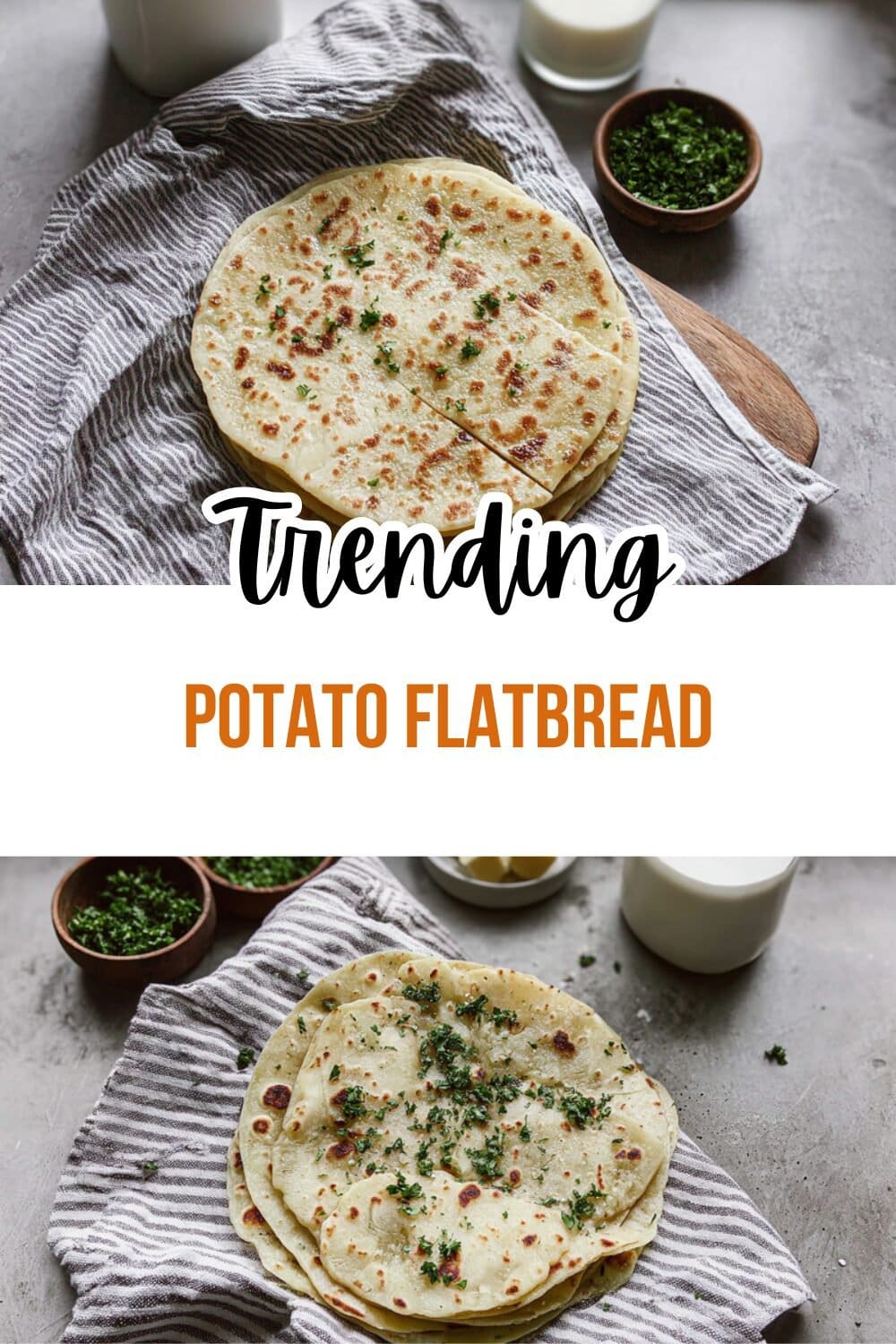
Stack and serve warm. Brush with butter or oil for shine. Pair with creamy hummus or soups. Cut into wedges for appetizers. Store extras as noted below.
Patience in rolling yields perfect circles that cook evenly.
Expand on troubleshooting: If flatbreads puff too much, poke holes before cooking. This detailed guide ensures success. Practice makes your potato flatbread recipe foolproof. Serves 4-6; scale up for crowds.

Dietary Substitutions to Customize Your Potato Flatbread
Protein and Main Component Alternatives
Swap potatoes for sweet potatoes for natural sweetness and beta-carotene boost. Use leftover mashed potatoes to reduce waste. For higher protein, mix in chickpea flour (1/4 cup replaces equal flour). Almond flour adds nutty flavor for keto-friendly versions. These keep the dough pliable.
Vegetable, Sauce, and Seasoning Modifications
Add grated zucchini or spinach (1/2 cup) for veggie-packed flatbreads. Use vegan butter for brushing. Season with cumin for Indian twist or rosemary for herbs. In seasons, swap oil for ghee if dairy-tolerant. Low-sodium salt suits restricted diets. Try lemon potato salad as a fresh side.
Mastering Potato Flatbread: Advanced Tips and Variations
- Pro cooking techniques: Use a tawa for authentic crispiness. Flip only once for better texture. Medium-low heat prevents sogginess.
- Flavor variations: Stuff with cheese or onions before rolling, aloo paratha-style. Add chili flakes for heat or nutritional yeast for umami.
- Presentation tips: Garnish with cilantro and sea salt. Stack pyramid-style on a board with dips.
- Make-ahead options: Prep dough, refrigerate overnight. Freeze rolled flatbreads between parchment.
Check this mashed potato flatbread for more ideas. Elevate your game with these tweaks.
How to Store Potato Flatbread: Best Practices
- Refrigeration: Cool fully, store in airtight container up to 5 days. Wrap individually to retain moisture.
- Freezing: Layer with parchment in freezer bag, up to 2 months. Thaw overnight.
- Reheating: Skillet over low heat with water spritz, or toaster. Microwave damp towel-covered for 20 seconds.
- Meal prep considerations: Batch cook Sundays; portion for lunches. Pairs with salads for balanced meals.
FAQs: Frequently Asked Questions About Potato Flatbread
What is potato flatbread?
Potato flatbread is a simple, versatile bread made primarily from mashed potatoes, flour, and a few seasonings. It’s denser and moister than traditional wheat flatbreads like naan or pita, with a soft, chewy texture and subtle earthy flavor. Originating from various cuisines, including Irish potato bread and Indian aloo paratha variations, it’s often pan-fried or baked. This makes it ideal for gluten-sensitive diets if using gluten-free flour. A basic recipe yields 4-6 flatbreads from 2 medium potatoes. Serve it with curries, soups, or as sandwich wraps. It’s quick to prepare—ready in under 30 minutes—and stores well for meal prep. Nutrition per serving (one flatbread): about 150 calories, 25g carbs, 4g protein, low fat.
How do you make potato flatbread at home?
Start with 2 boiled, mashed potatoes (about 2 cups), 1 cup all-purpose or gluten-free flour, 1 tsp salt, and 1 tbsp oil. Mix mashed potatoes with salt and oil, then gradually add flour to form a soft dough. Knead lightly for 2 minutes. Divide into 6 balls, roll each into 6-inch circles on a floured surface. Heat a skillet over medium heat, dry-fry or brush with oil for 2-3 minutes per side until golden spots appear. Avoid overcrowding the pan. For crispier results, press down gently with a spatula. Total time: 25 minutes. This method works without yeast or rising time, perfect for beginners. Tip: Add herbs like rosemary or garlic powder for flavor variations.
Is potato flatbread gluten-free?
Yes, potato flatbread can be easily made gluten-free by swapping regular flour for a 1:1 gluten-free blend like rice or almond flour. Potatoes are naturally gluten-free, providing starch that binds the dough without wheat. Use certified GF flour to avoid cross-contamination. A standard recipe with 2 cups mashed potatoes and 1 cup GF flour produces soft, pliable flatbreads that hold together well. Test for doneness by checking for bubbles on the surface. Per serving: roughly 120 calories, high in potassium (from potatoes, about 500mg). It’s a great alternative to store-bought GF breads, which can be dry. Store in an airtight container for 3 days or freeze for 1 month. Reheat in a toaster for best texture.
Can potato flatbread be made vegan?
Absolutely, potato flatbread is naturally vegan as it uses no dairy, eggs, or animal products in its base recipe. Rely on mashed potatoes, plant-based flour, salt, and neutral oil like olive or coconut. For 6 flatbreads: boil and mash 2 large potatoes, mix in 1 cup flour, ½ tsp salt, and 1 tbsp oil. No butter needed. Roll and cook as usual on a non-stick pan. This keeps it simple and healthy—under 5 ingredients. Customize with vegan add-ins like chopped scallions or nutritional yeast for cheesiness. Each flatbread offers 3g fiber and sustained energy. It’s a budget-friendly option at about $1 per batch. Pair with hummus or vegan curry. Freezes well; thaw overnight before use.
How should you store potato flatbread?
Fresh potato flatbread lasts 2-3 days at room temperature in an airtight container or wrapped in a clean towel to prevent drying. For longer storage, refrigerate up to 5 days—reheat in a skillet or microwave with a damp paper towel to restore softness. To freeze, cool completely, stack with parchment between layers, and store in a freezer bag for up to 2 months. Thaw at room temp and warm gently. Avoid plastic bags alone to prevent sogginess. Pro tip: If it hardens, sprinkle water and heat covered. This preserves the moist potato texture. A batch of 6 uses minimal space. Check for off smells before eating. Links to full recipe and storage hacks in our potato recipes section.

Potato Flatbread
🥔 Savor the hearty, gluten-free goodness of this simple potato flatbread, a crispy golden exterior with a soft, flavorful interior made from everyday pantry staples for a satisfying, versatile side or wrap.
🍞 Whip up this homemade version effortlessly for its quick preparation and authentic crunch, perfect for pairing with curries, dips, or as a base for toppings to enjoy wholesome, comforting meals anytime.
- Total Time: 35 minutes
- Yield: 6-8 flatbreads
Ingredients
– 2 medium potatoes (about 2 cups mashed) for providing moisture, starch, and natural binding for a tender texture without eggs
– 1 cup all-purpose flour (or gluten-free blend) for adding structure and helping roll out thin, pliable flatbreads
– 1 tsp salt for enhancing potato flavor and balancing the dough
– 1 tbsp oil (olive or neutral) for keeping dough soft and preventing sticking during rolling and cooking
Instructions
1-First Step: Prepare the potatoes (mise en place) Wash and boil 2 medium potatoes until fork-tender, about 15 minutes. Drain well and mash smoothly while hot, aiming for 2 cups. Let cool slightly to release steam, avoiding gummy dough. This base gives your potato flatbread its signature moisture.
2-Second Step: Mix the dough In a bowl, combine mashed potatoes, 1 tsp salt, and 1 tbsp oil. Stir until even. Gradually add 1 cup flour, mixing with a spoon or hands. The dough should be soft and slightly sticky, not dry. Knead gently for 2 minutes on a floured surface. Overkneading toughens it, so keep it light.
3-Third Step: Divide and shape Cut dough into 6 equal balls, about golf ball size. Cover with a damp cloth to prevent drying. On a floured surface, roll each ball into a 6-inch circle, 1/4-inch thick. Use a rolling pin evenly for uniform flatbreads. Patch tears with dough scraps.
4-Fourth Step: Heat the skillet Place a cast-iron or non-stick skillet over medium heat for 2 minutes. No oil needed for dry-fry, or brush lightly for extra crisp. Test heat with a water drop; it should sizzle.
5-Fifth Step: Cook the flatbreads Add one flatbread; cook 2-3 minutes per side until golden spots and bubbles form. Press gently with spatula for even browning. Repeat for all, keeping cooked ones warm under a towel. Avoid high heat to prevent burning.
6-Sixth Step: Final touches and serving Stack and serve warm. Brush with butter or oil for shine. Pair with creamy hummus or soups. Cut into wedges for appetizers. Store extras as noted below.
Notes
🥔 Ensure potatoes are mashed without lumps for smooth dough and even rolling to achieve uniform crispiness.
🍞 Use a non-stick pan if available to minimize oil and prevent sticking during the quick cooking process.
❄️ Make dough ahead and refrigerate for up to 24 hours; bring to room temperature before rolling for best texture.
- Prep Time: 20 minutes
- Cook Time: 15 minutes
- Category: Breads
- Method: Pan-Frying
- Cuisine: Indian
- Diet: Vegetarian
Nutrition
- Serving Size: 1 flatbread
- Calories: 150 calories
- Sugar: 1g
- Sodium: 200mg
- Fat: 5g
- Saturated Fat: 1g
- Unsaturated Fat: 4g
- Trans Fat: 0g
- Carbohydrates: 25g
- Fiber: 2g
- Protein: 3g
- Cholesterol: 0mg


